Rothmans Cigarettes and Collectibles: History, Scores, and Cultural Value
"Artificially generated illustration"
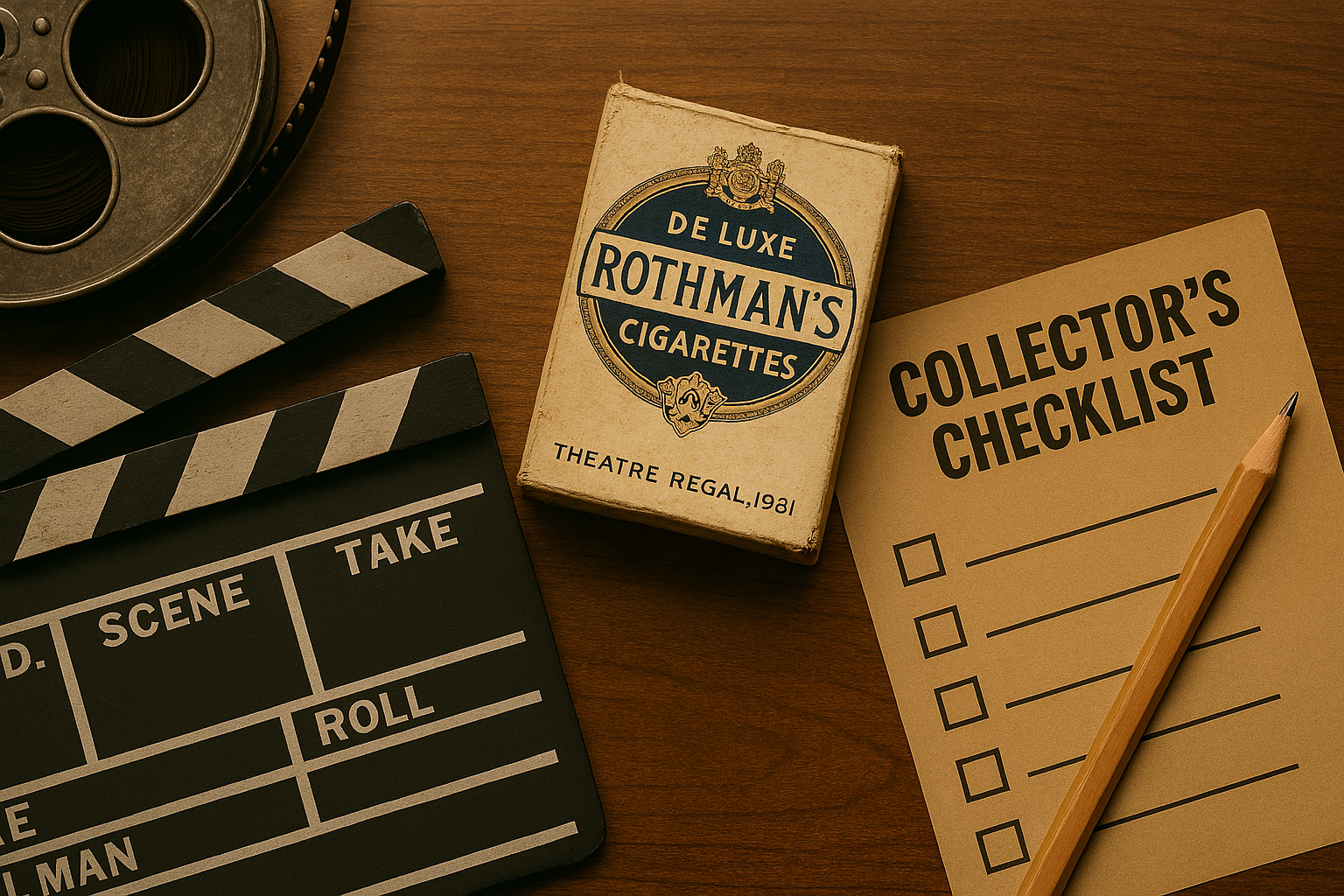
Collecting artifacts related to cinema and tobacco means chasing meticulous stories, and Rothmans Cigarettes have been a living archive of aesthetics, characters, and promotional graphics for decades. Catalogs and auctions demonstrate how each pack speaks to postwar British taste, while Italian collectors still seek pristine examples that combine paper, colors, and rarity. In this guide, we analyze the industrial context, the intersections with classic cinema, and the tools for appraising the most sought-after items. We'll explore how to read tax stamps, why some sets are linked to iconic films, and how to leverage digital data to study search interest. The result is a practical and historical manual for appraising these pieces without sacrificing authenticity.
Historical Origins of Rothmans Cigarettes
Rothmans Cigarettes were founded in London in 1890 as a quality brand for aristocratic clubs, and their success stemmed from the balance between Turkish and Virginian tobaccos. The company developed a clear graphic language, featuring heraldic shields and blue and gold palettes, which today guide the cataloging of the various editions. Campaigns dedicated to the first European film festivals demonstrate the intersection with the world of posters, and each pack bears production codes that help determine the auction price. Understanding these codes allows us to distinguish the lots made for export and understand how the limited editions were distributed in luxury dealerships.
Comparing production histories with Italian tax records makes it easier to authenticate imported packages, and cross-referencing the data with municipal archives allows you to match the packages to the original stores. This historical approach is essential for accurately describing the pieces in your digital inventory.

British American Tobacco and its global reach
When BAT acquired the brand in the 1960s, it converted the distribution of Rothmans Cigarettes to a global model, introducing the so-called bat cigarettes for duty-free and movie theaters. Company records show how the holding company unified its printing processes, allowing logos and health warnings to be precisely dated. For collectors, this meant they could associate each pack with internal advertising campaigns, citing, for example, posters for the Venice or Cannes film premieres.
Analyzing BAT's financial statements helps us understand when European plants introduced new security measures, while the Ministry of Finance's archives provide traces of imported quantities. These datasets are invaluable for determining the rarity of packages on our market and for informing readers which versions are in higher demand during seasonal auctions.
John Player, BAT and the culture of sister brands
The partnerships between Rothmans and John Player have created a constellation of sister brands that today allows for accurate collectors' comparisons. Many enthusiasts search for the words "John Player" cigarettes to compare the English packs with the Italian versions, but the structure of the filters and tax brackets varies from factory to factory. For this reason, it's important to create technical sheets that integrate logos, weights, and promotional inserts, integrating images to illustrate the passages in theaters and arthouse cinemas.
Inquiries about John Player cigarettes and the John Player Special cigarette variant indicate that digital communities are drawn to Formula 1-related sports editions, often featured in newsreels. Using a shared archive of high-resolution photos allows for quick comparison of typefaces a