MONUMENTALISM (PAGES OF HISTORY)
27/03/2026
it

The Aesthetics of Monumentalism: The Construction of a Visual Order
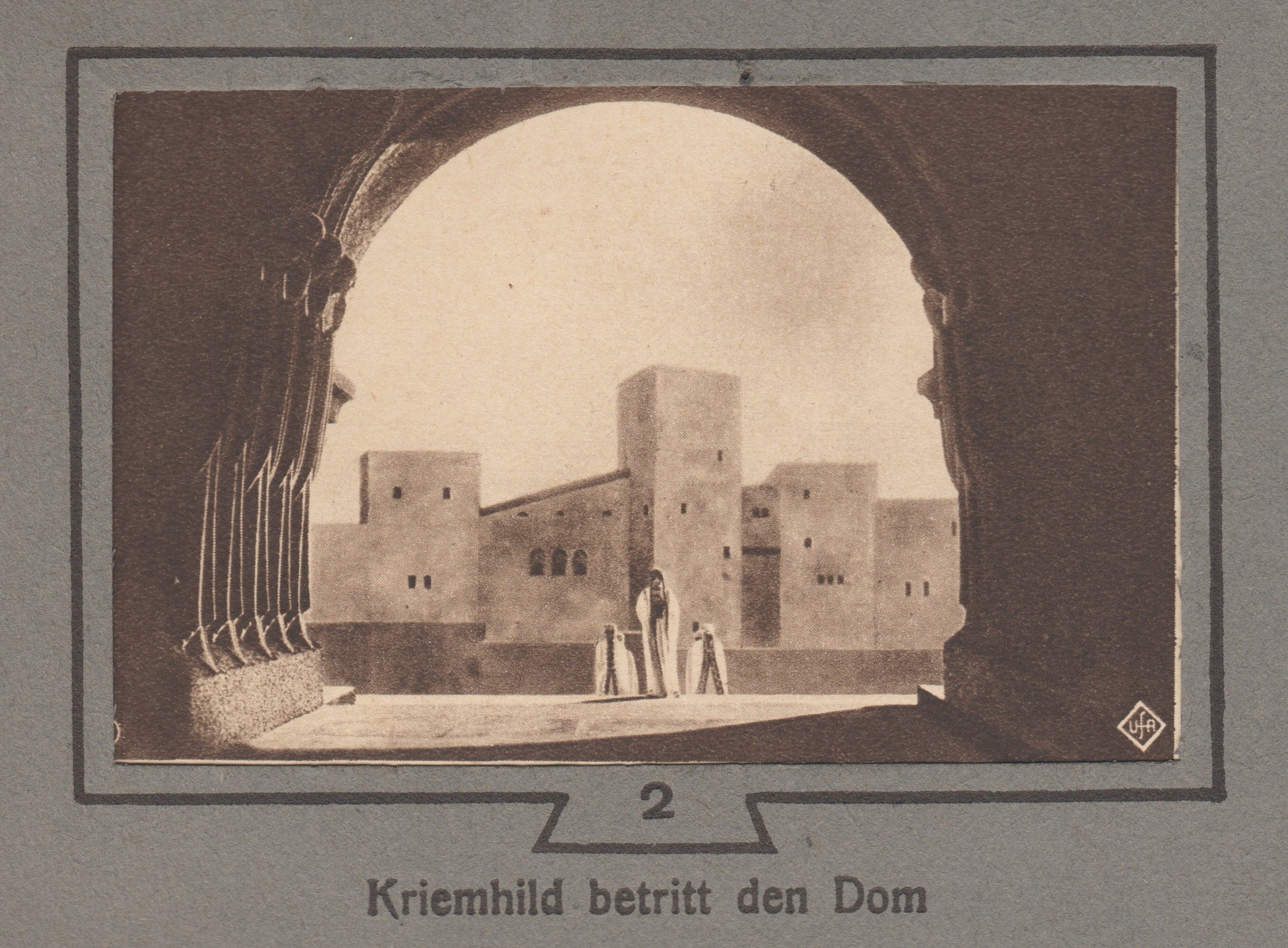
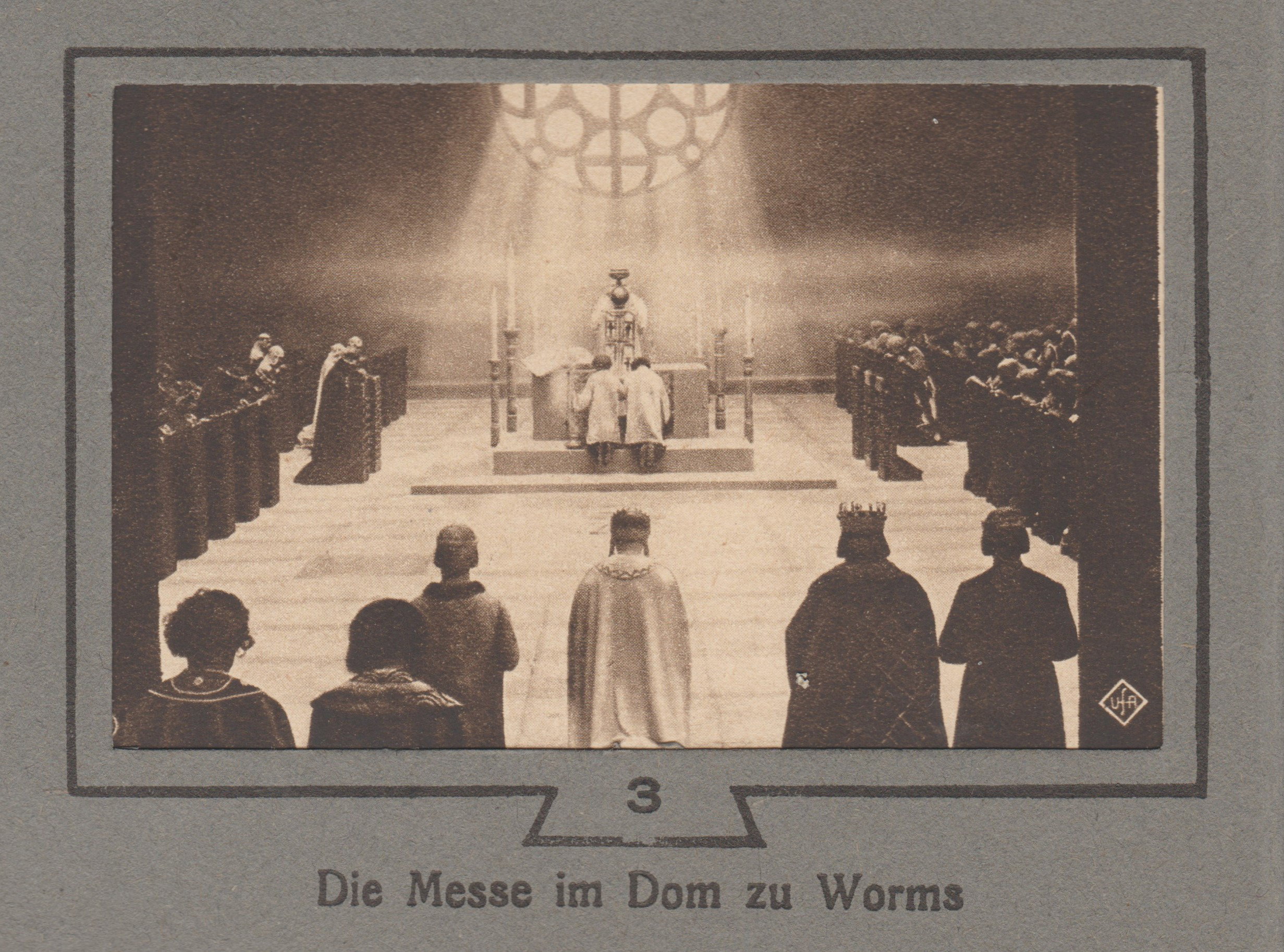
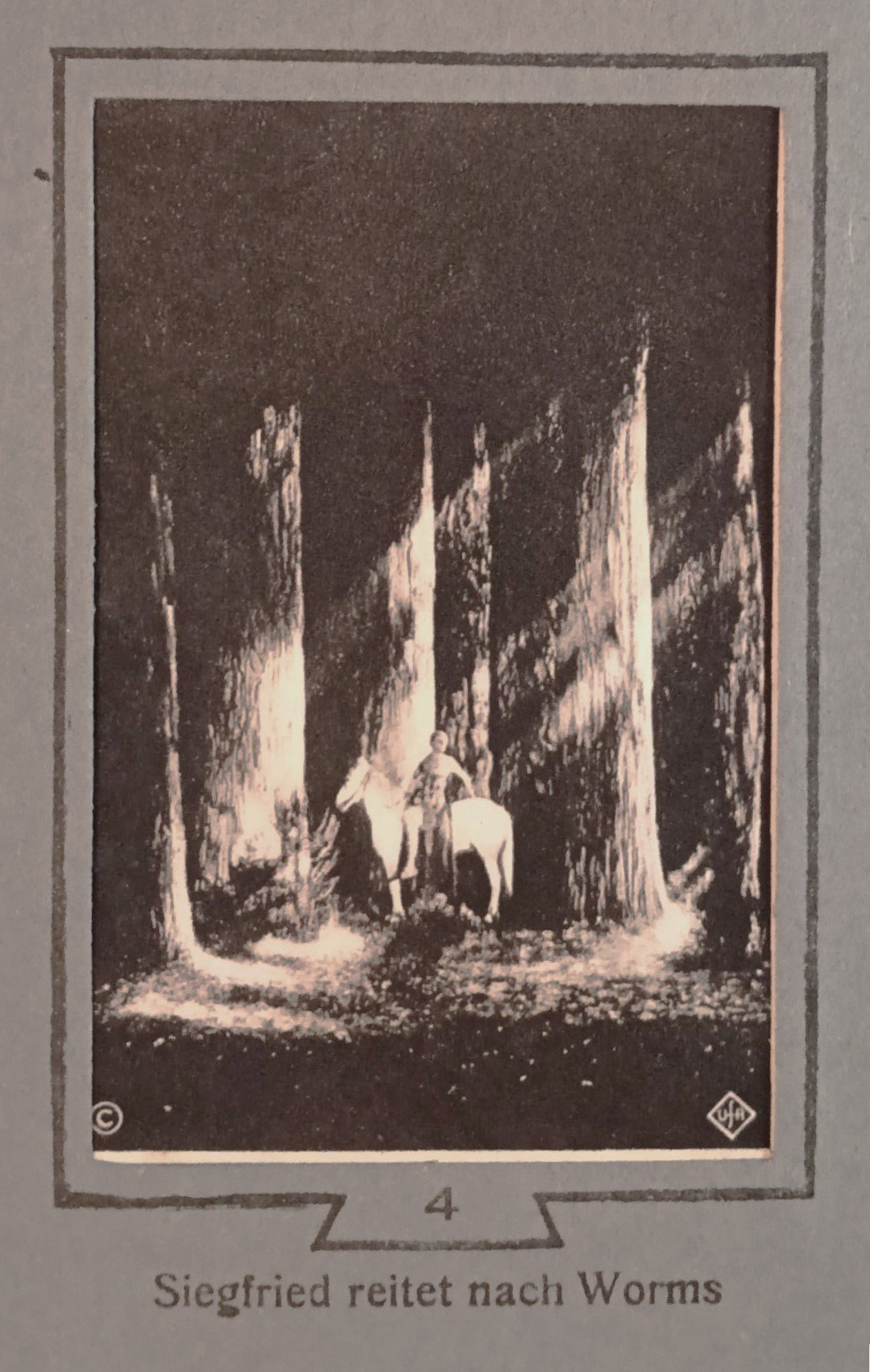
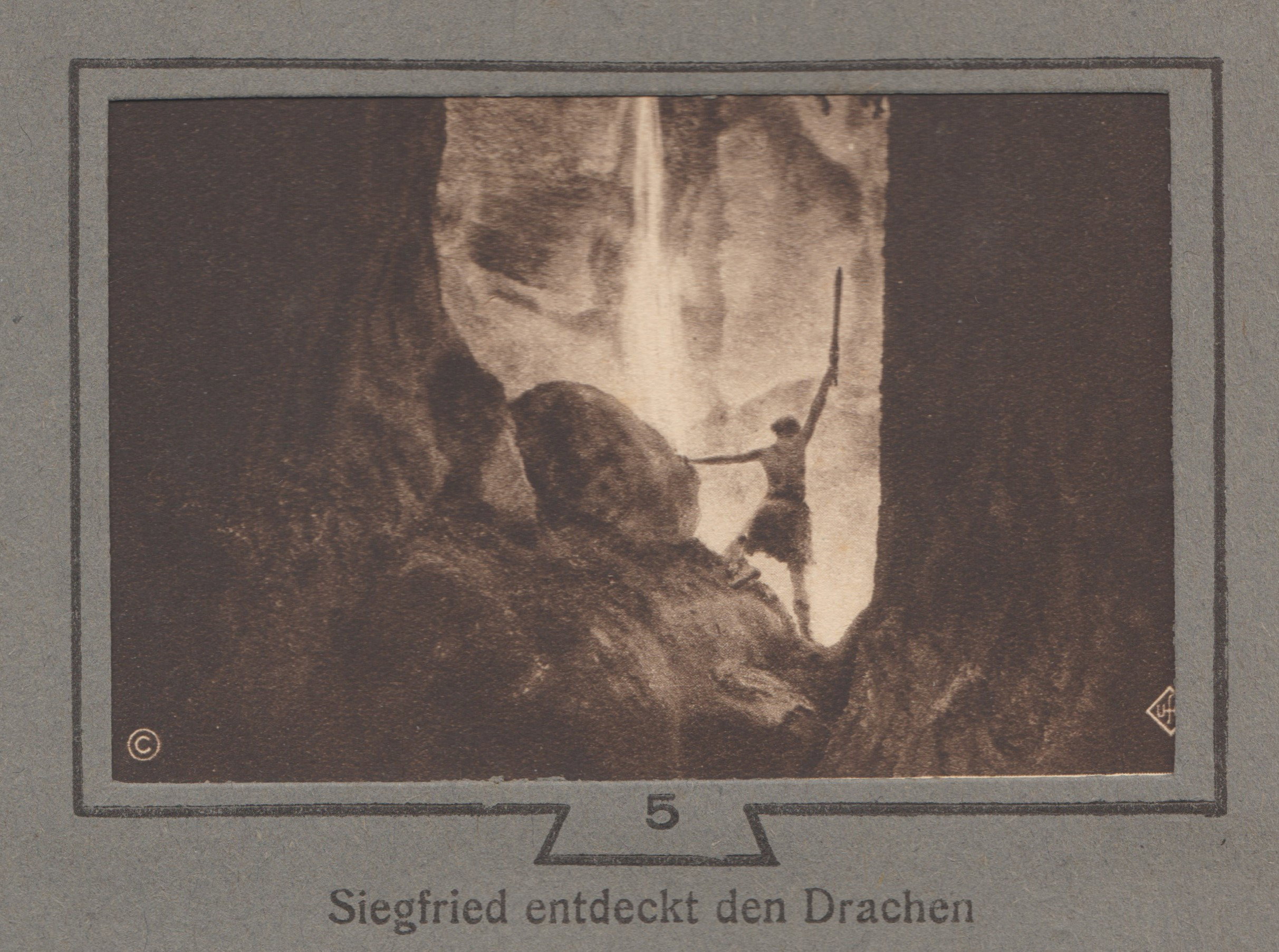
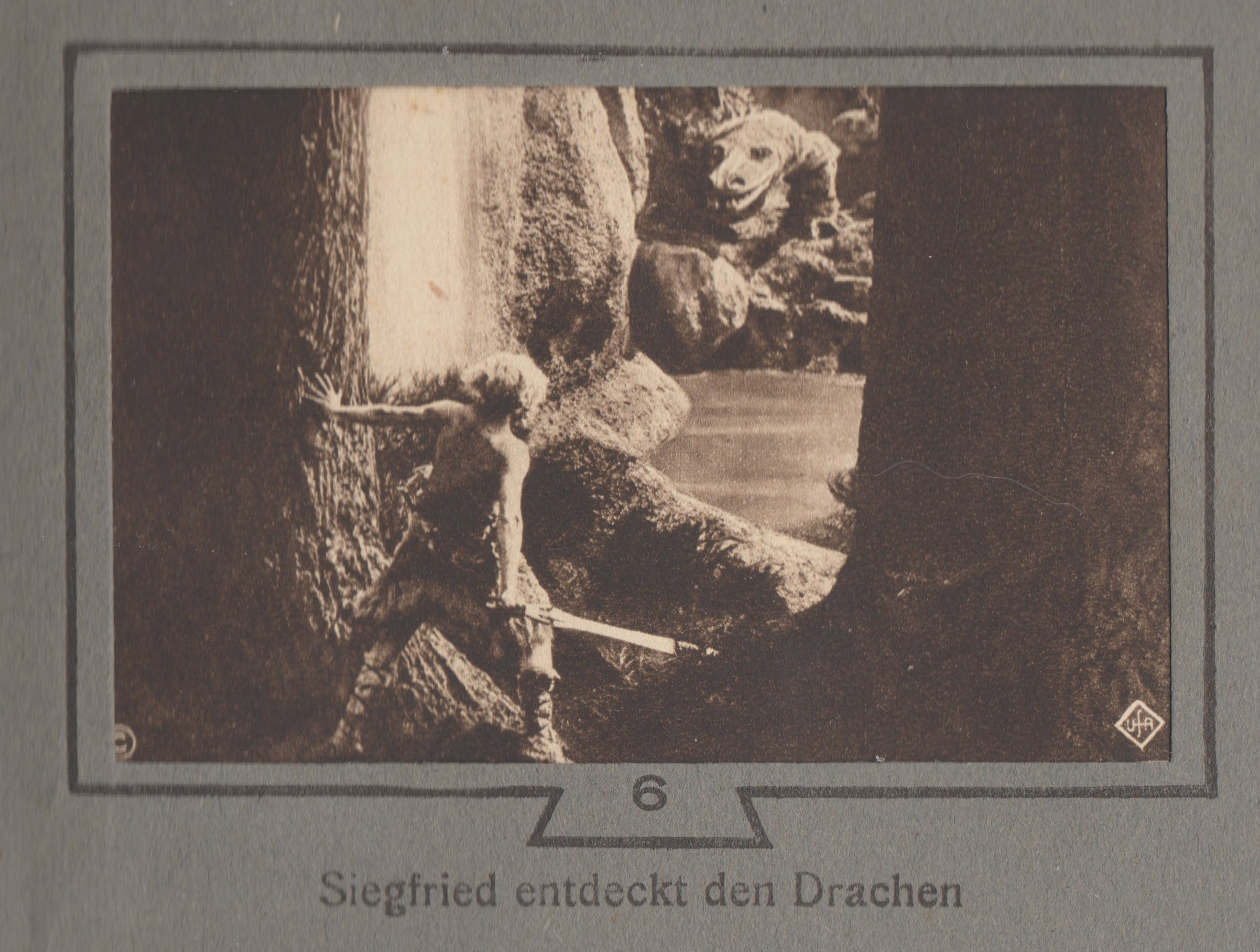
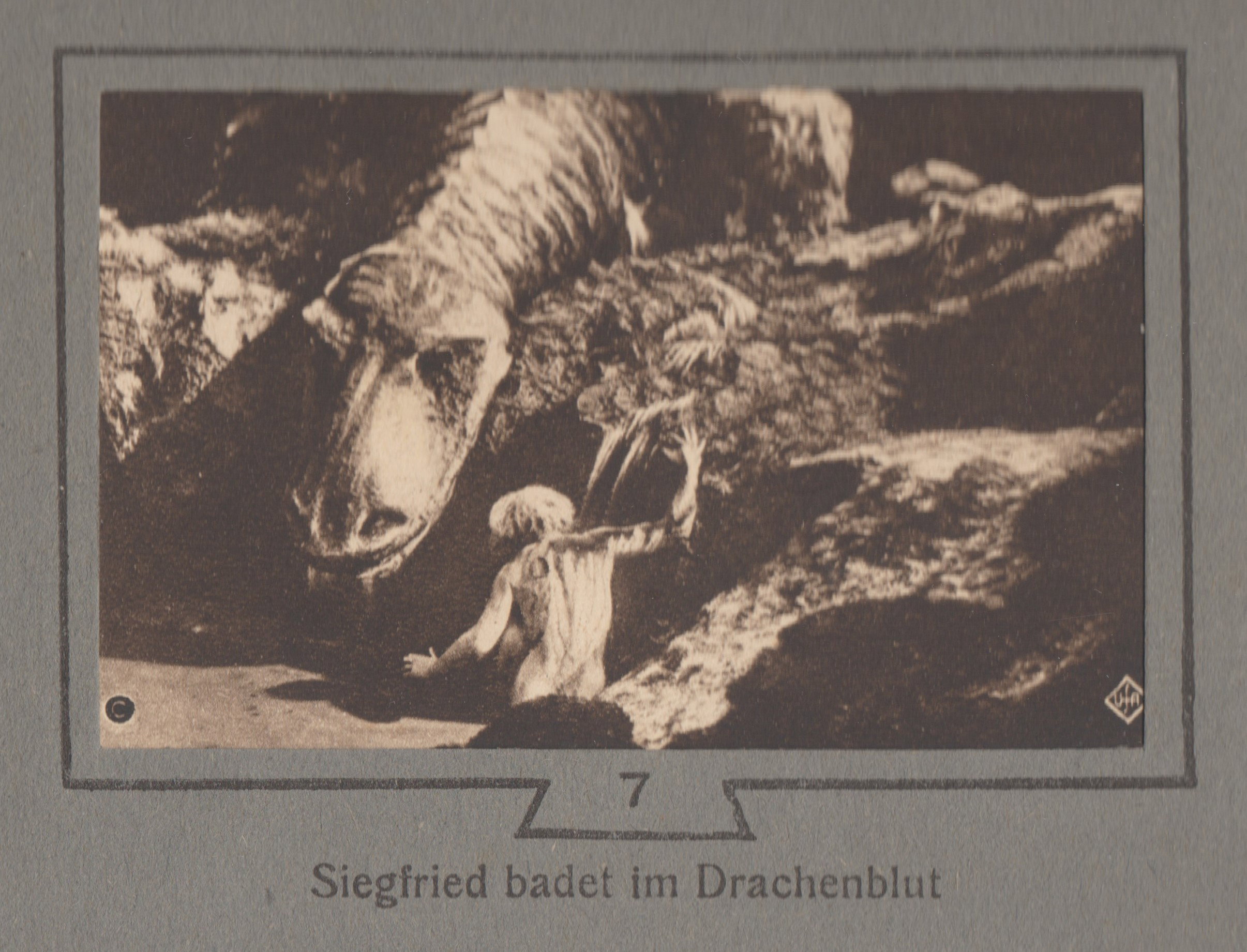
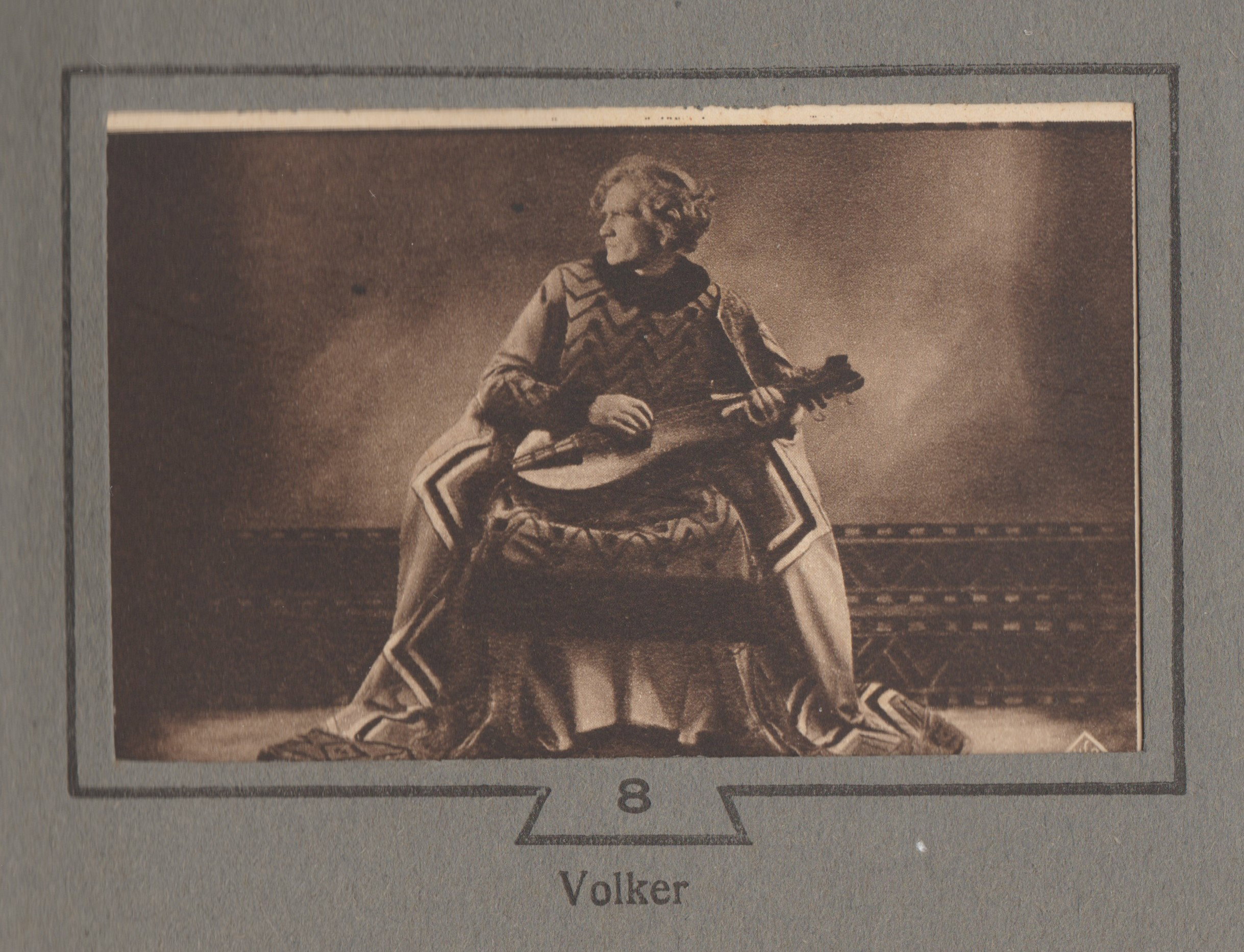
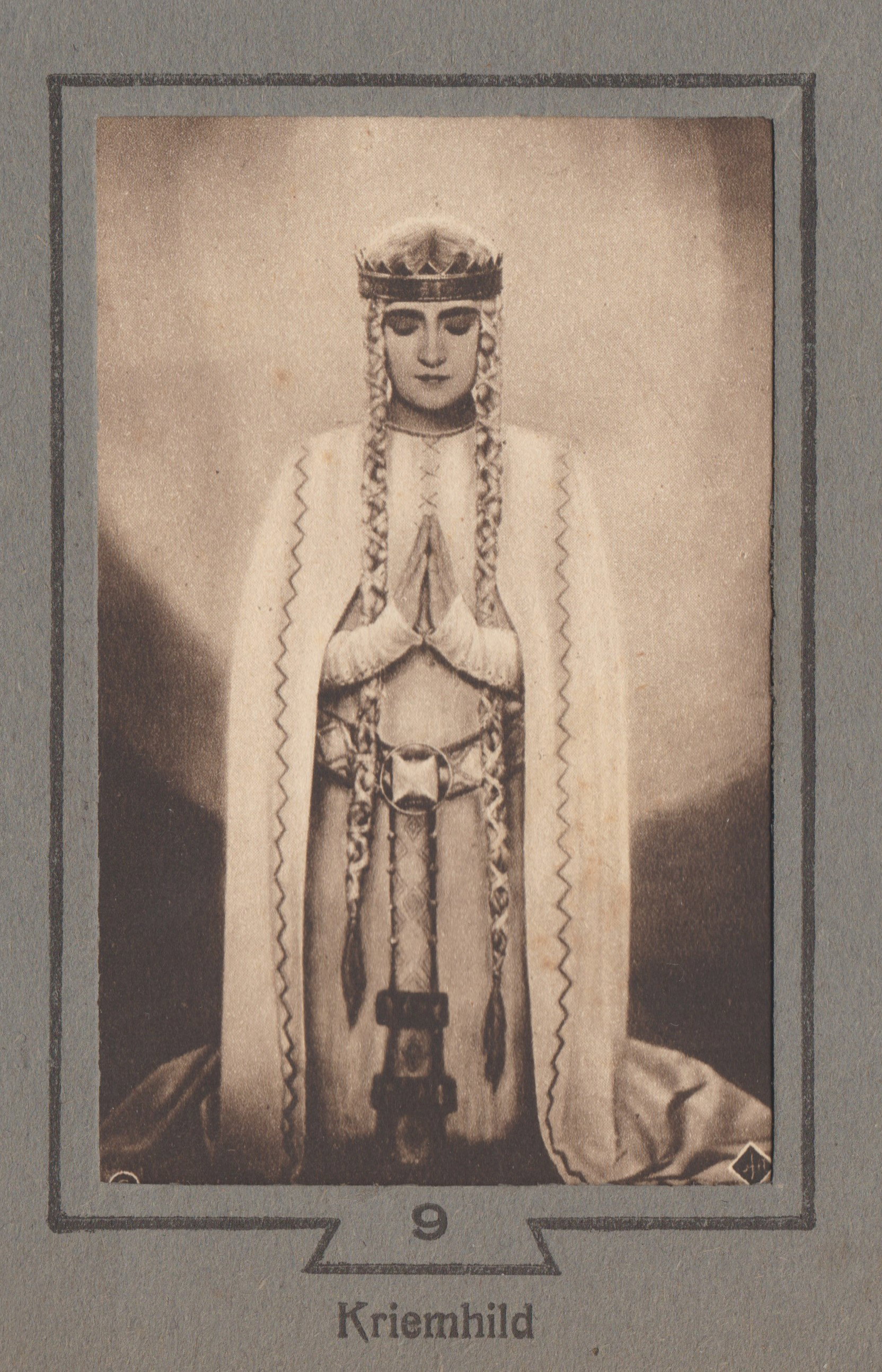
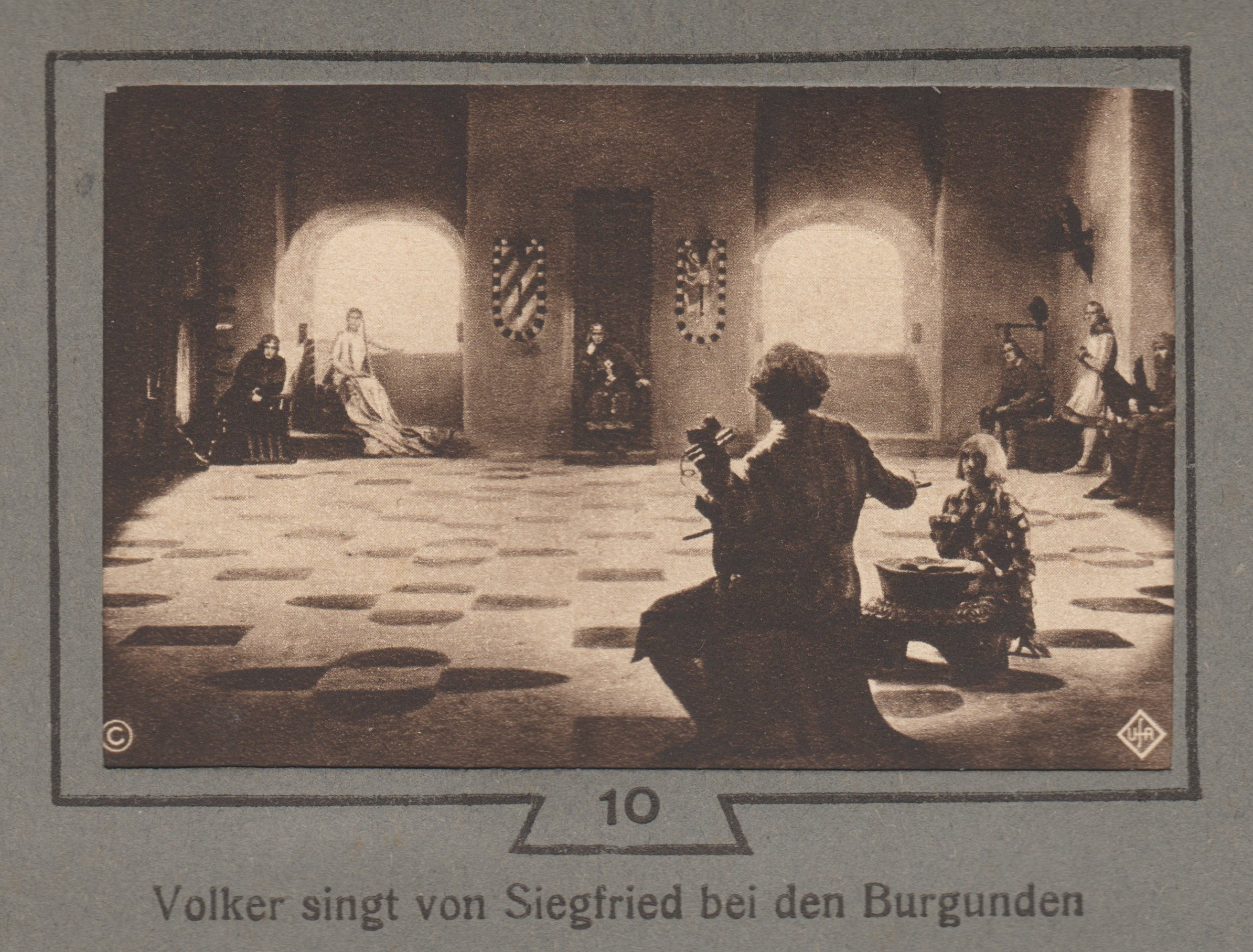
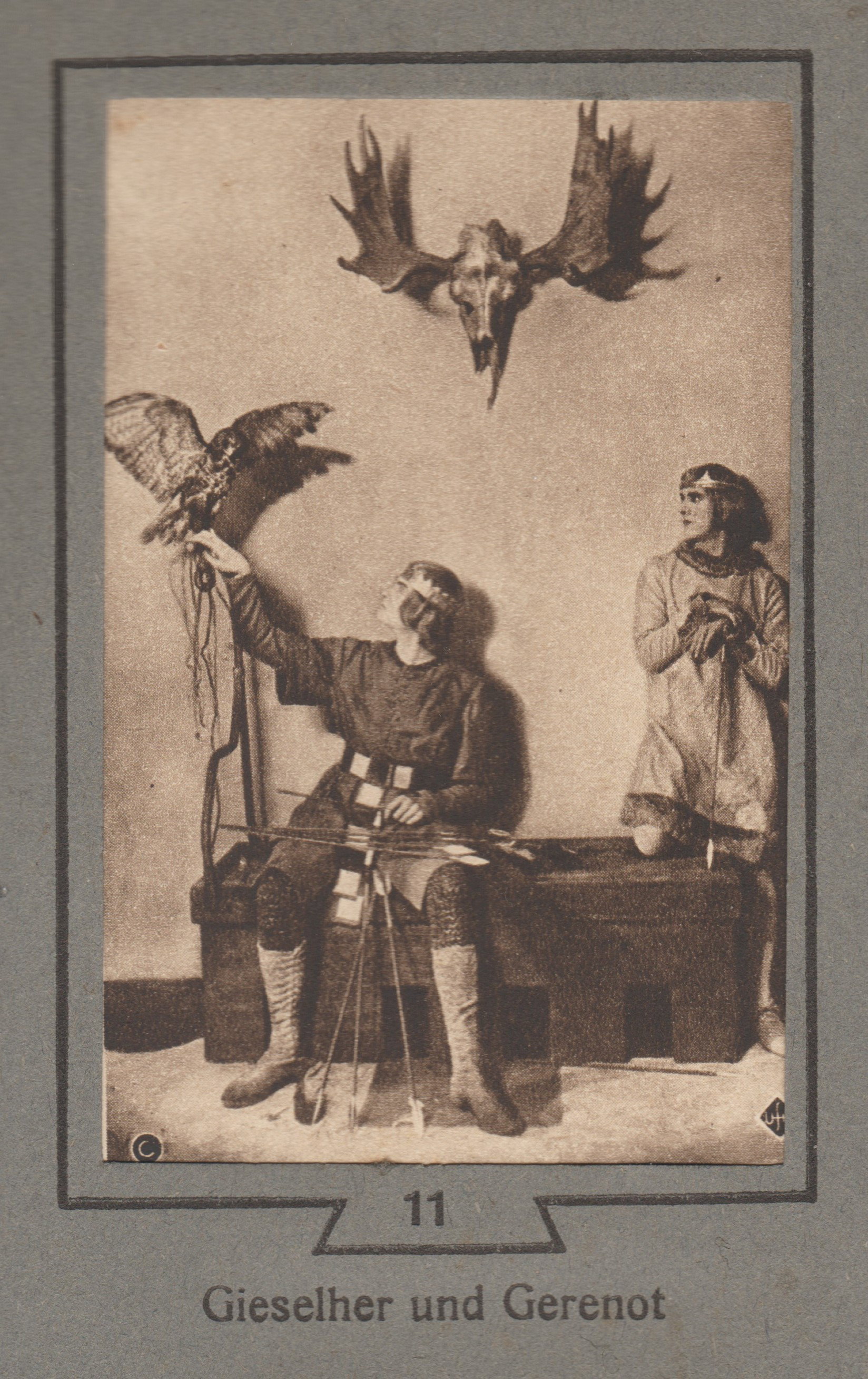
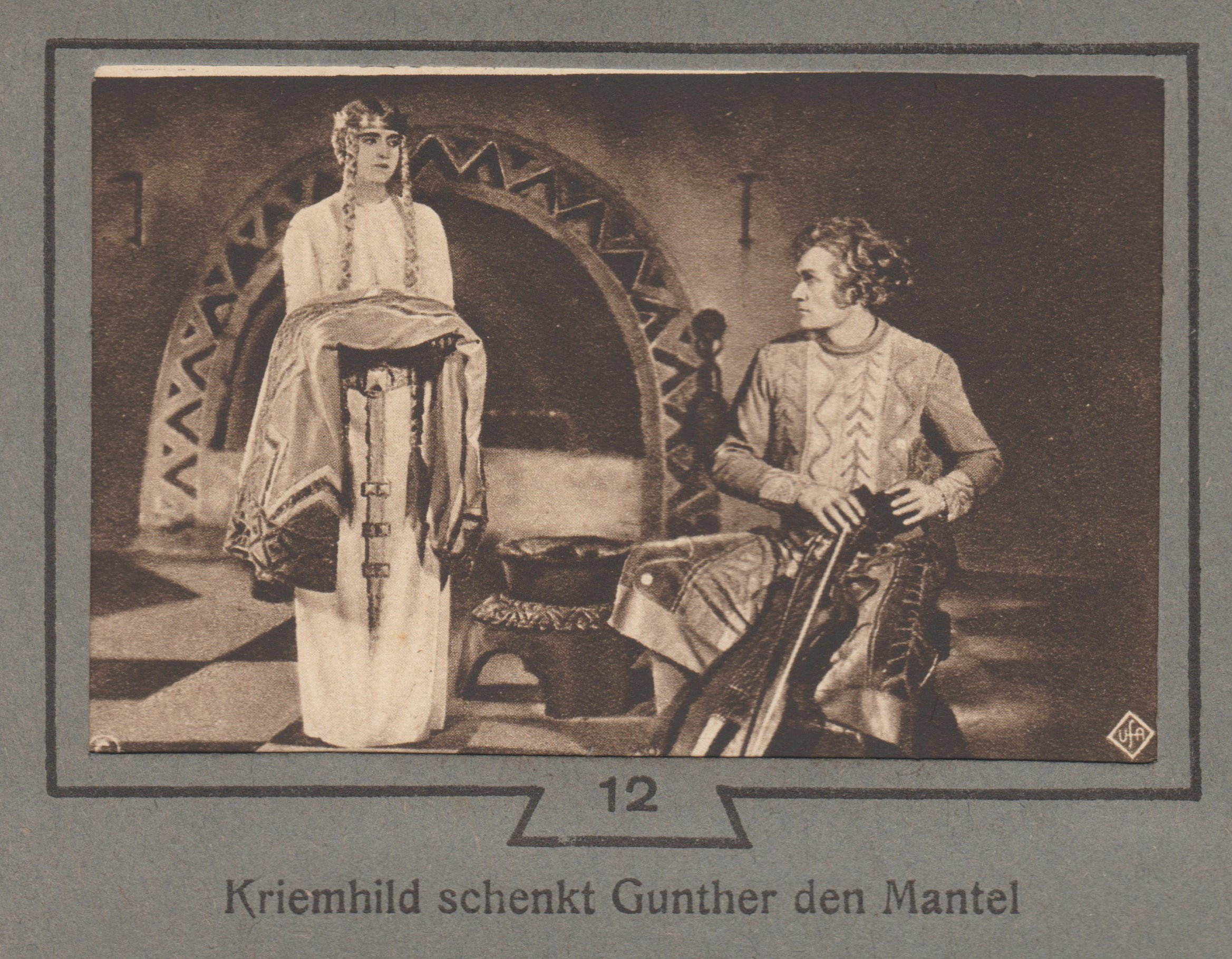
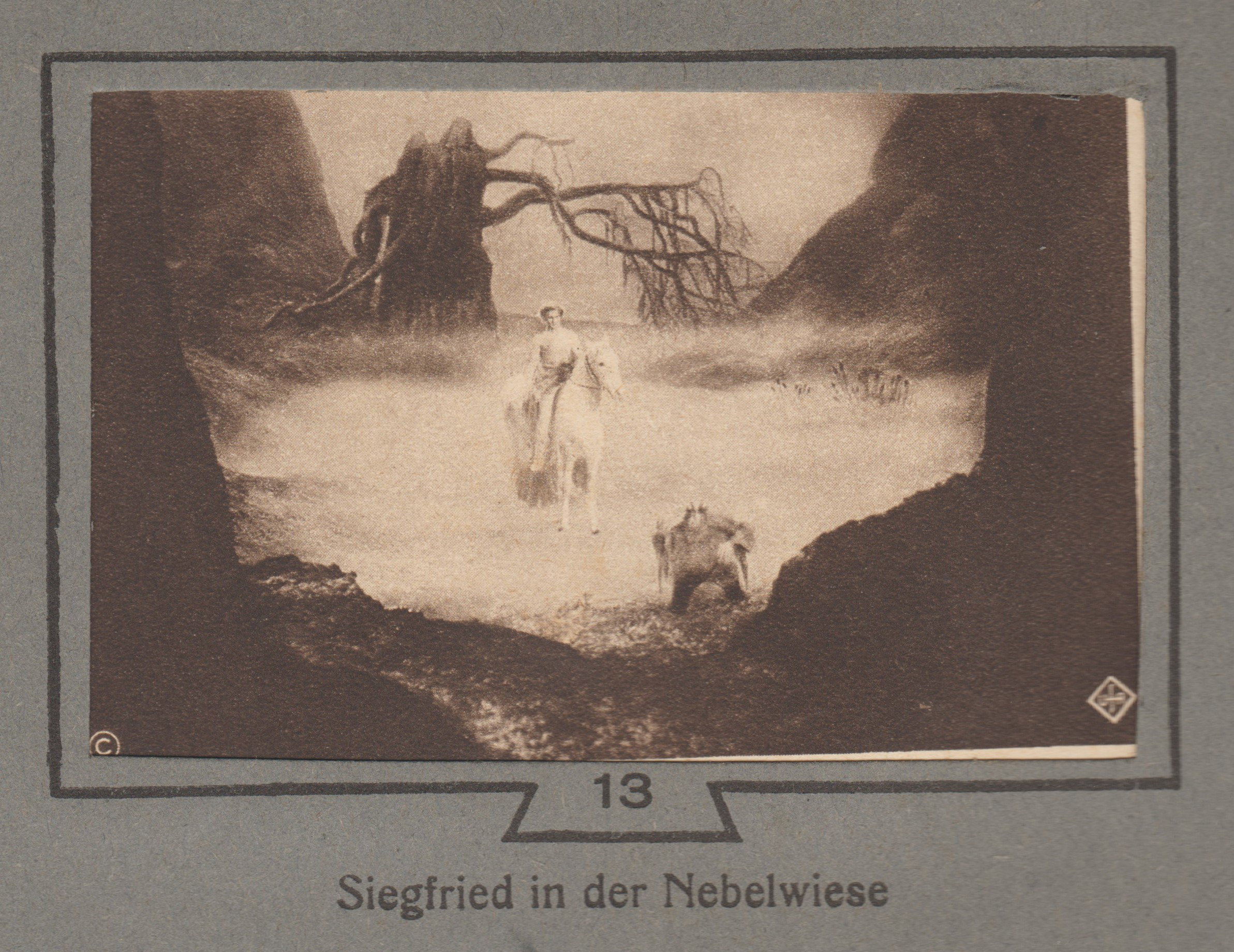
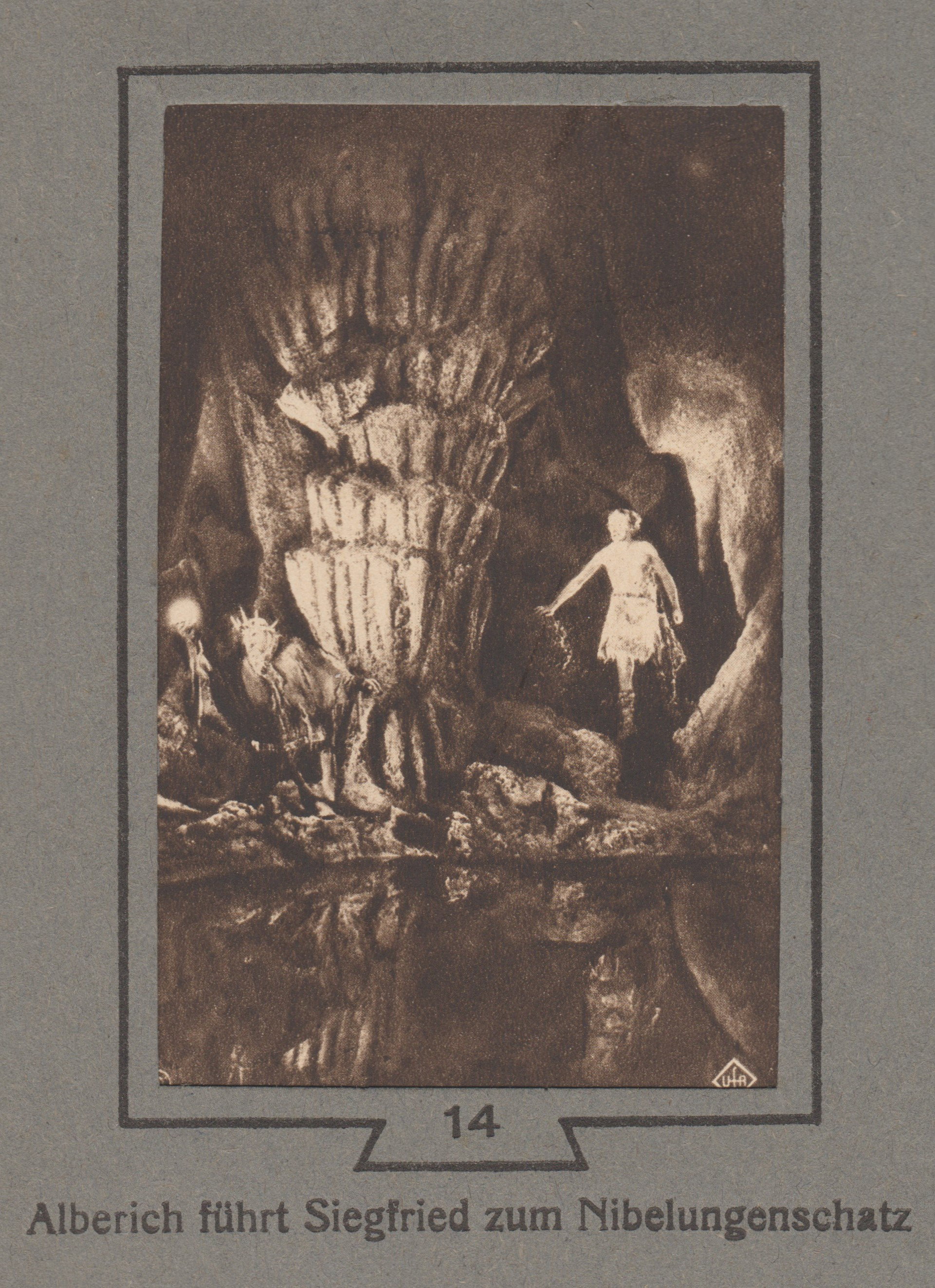
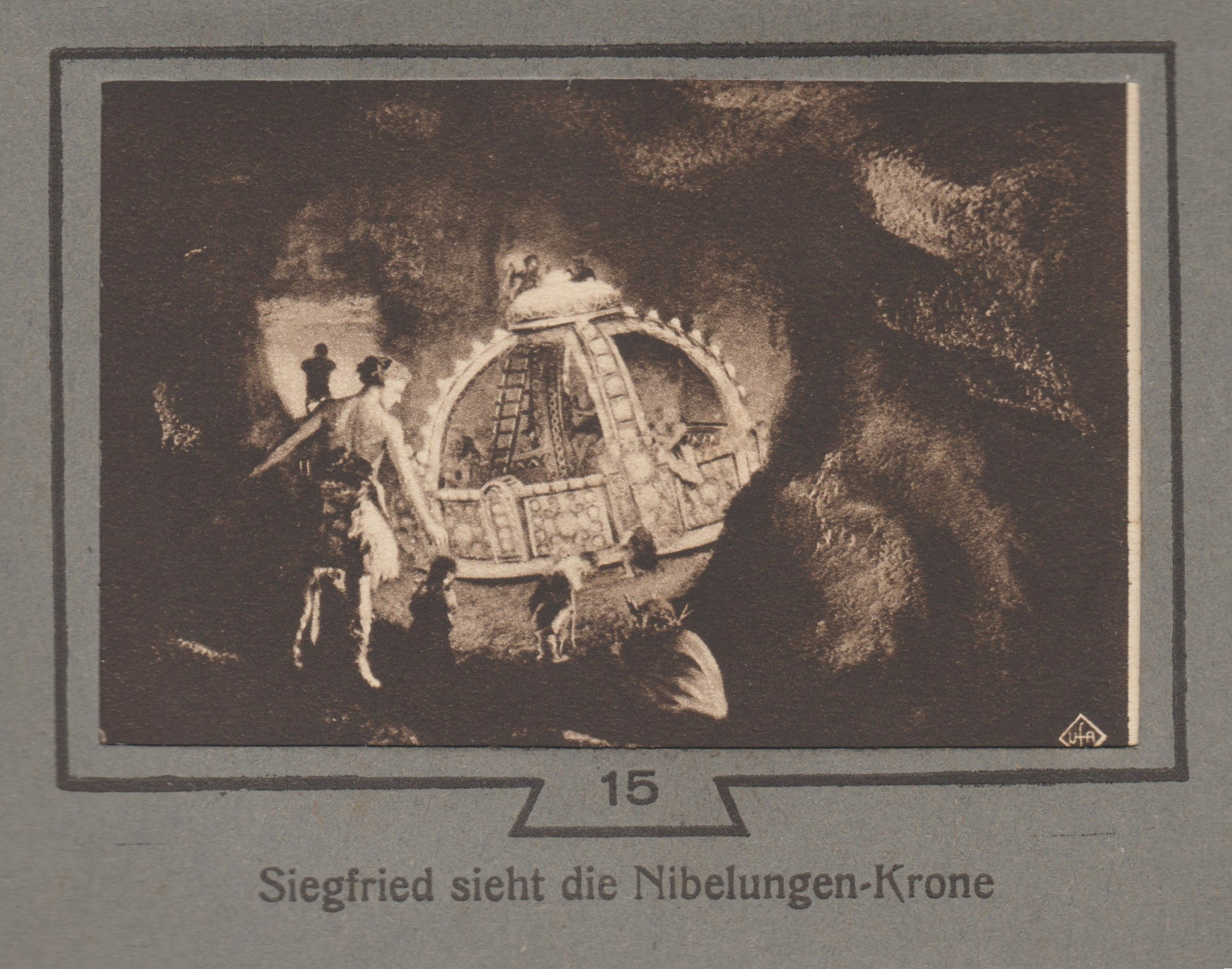
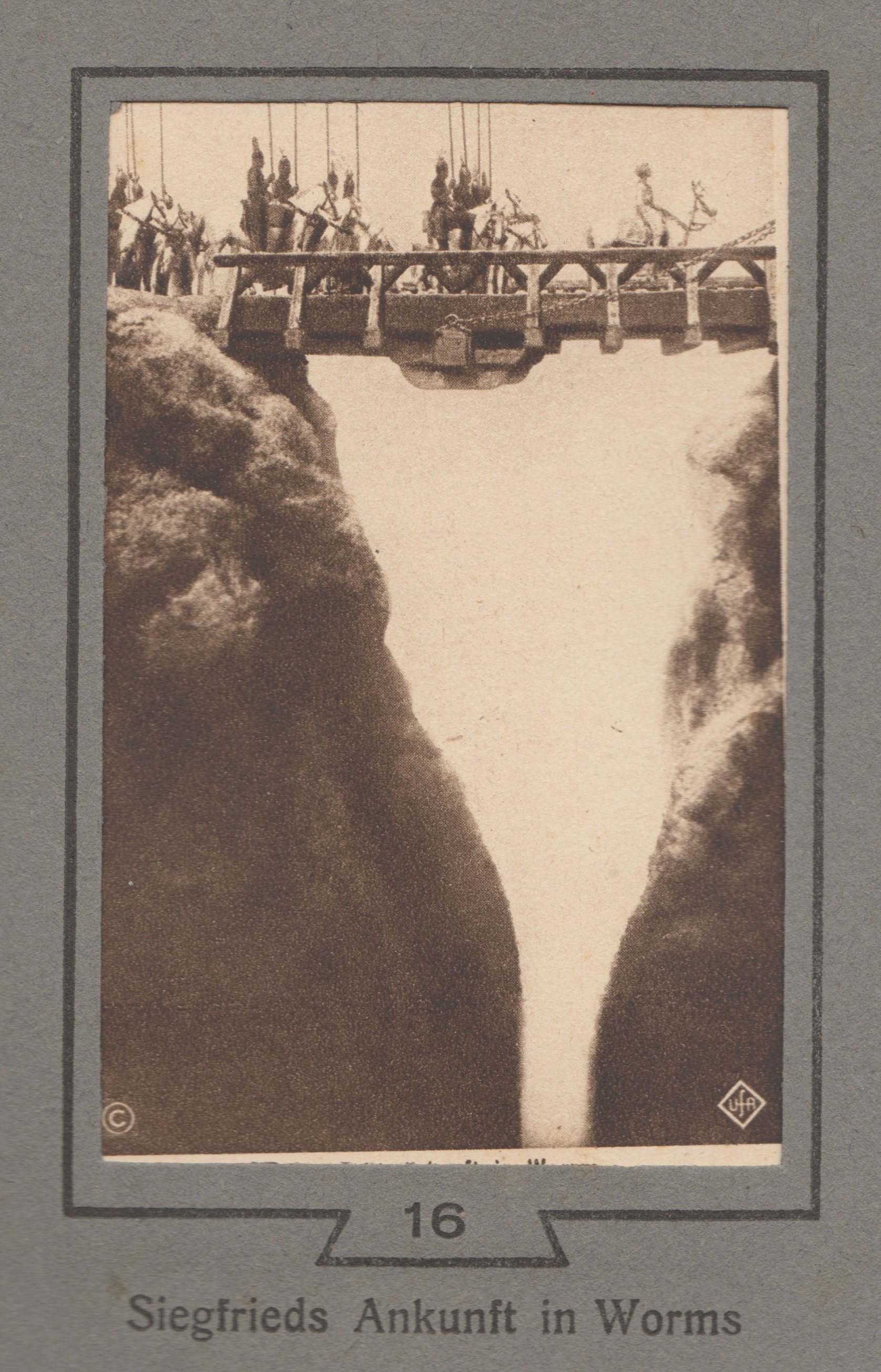
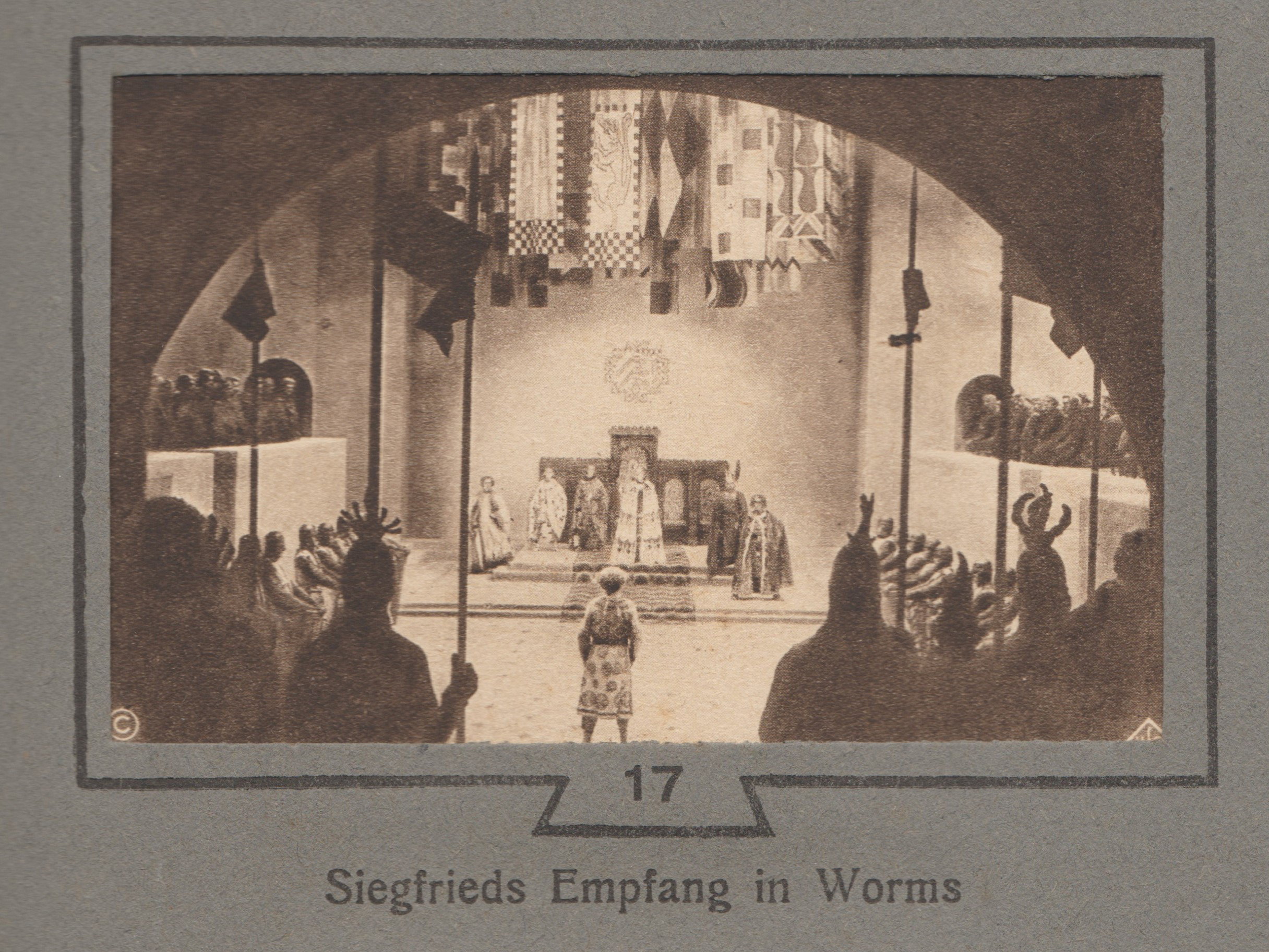
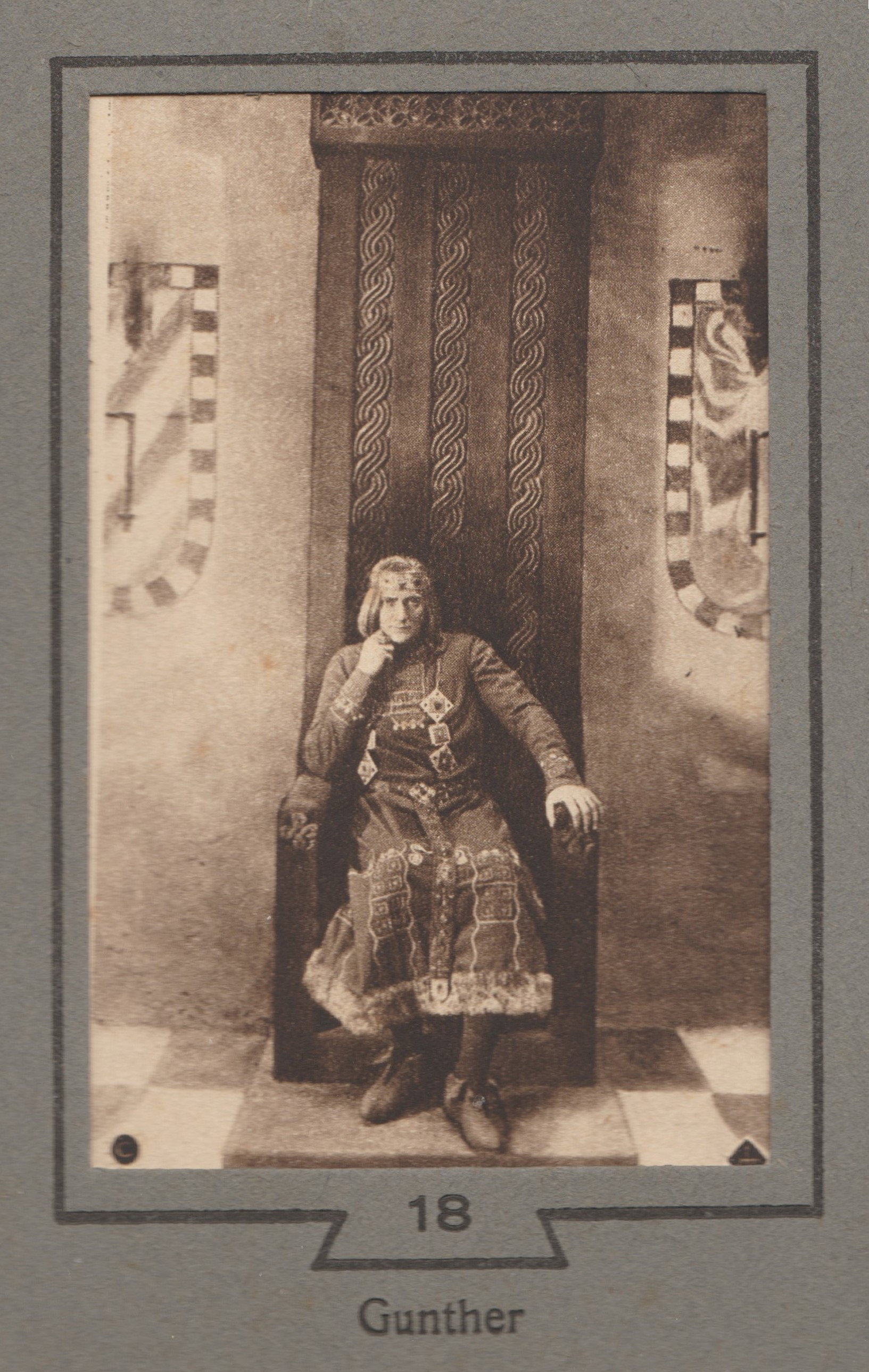
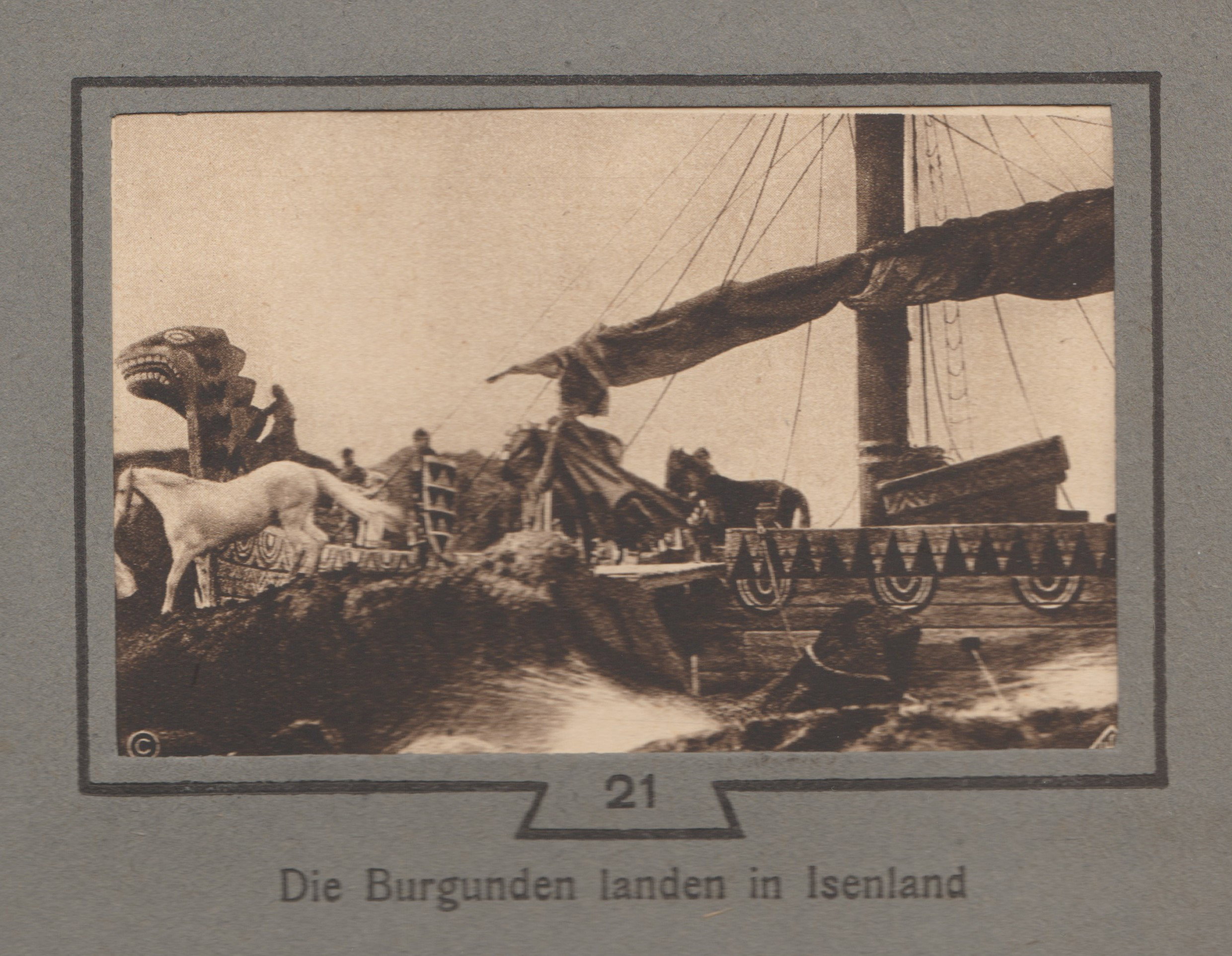
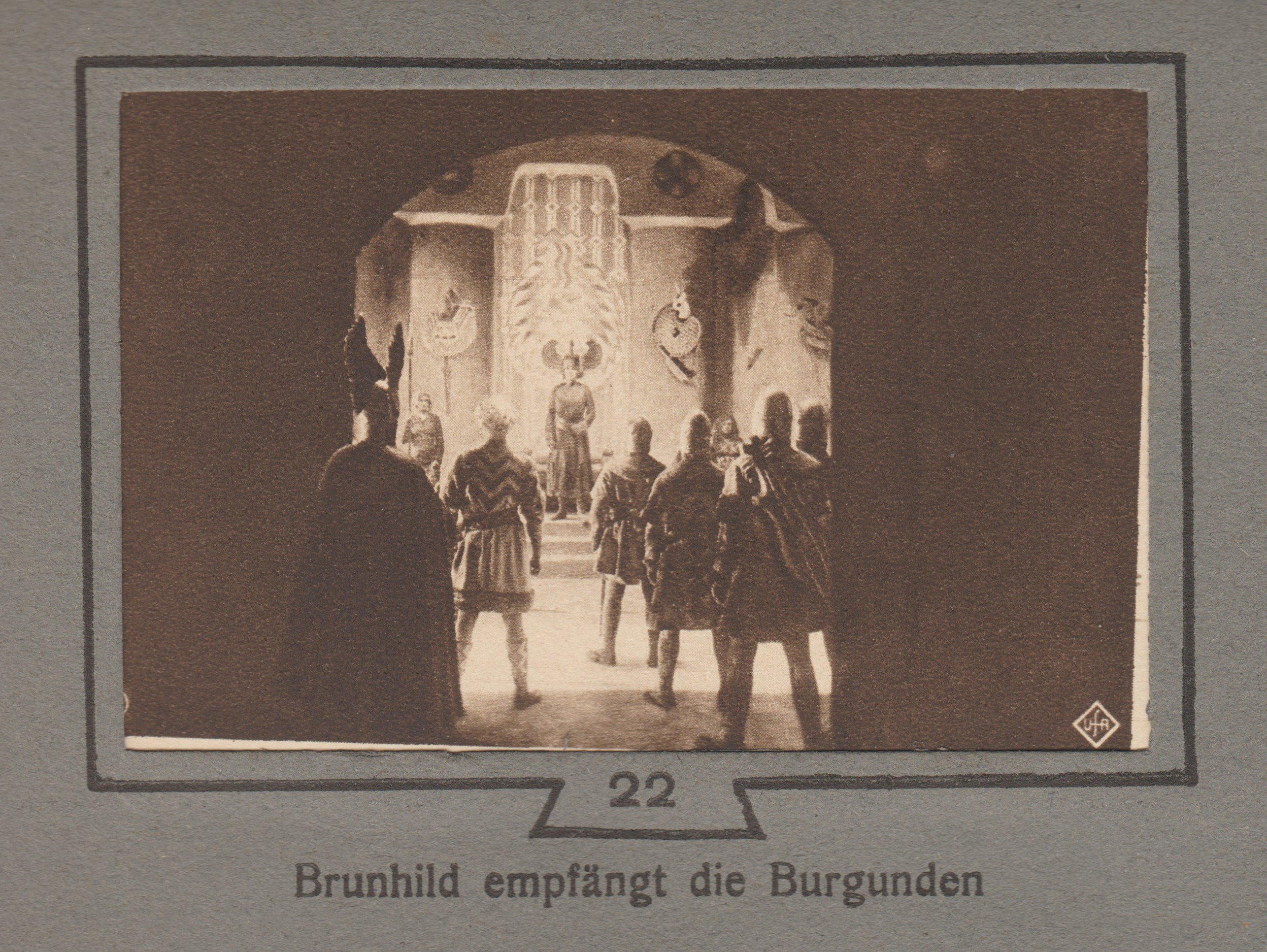
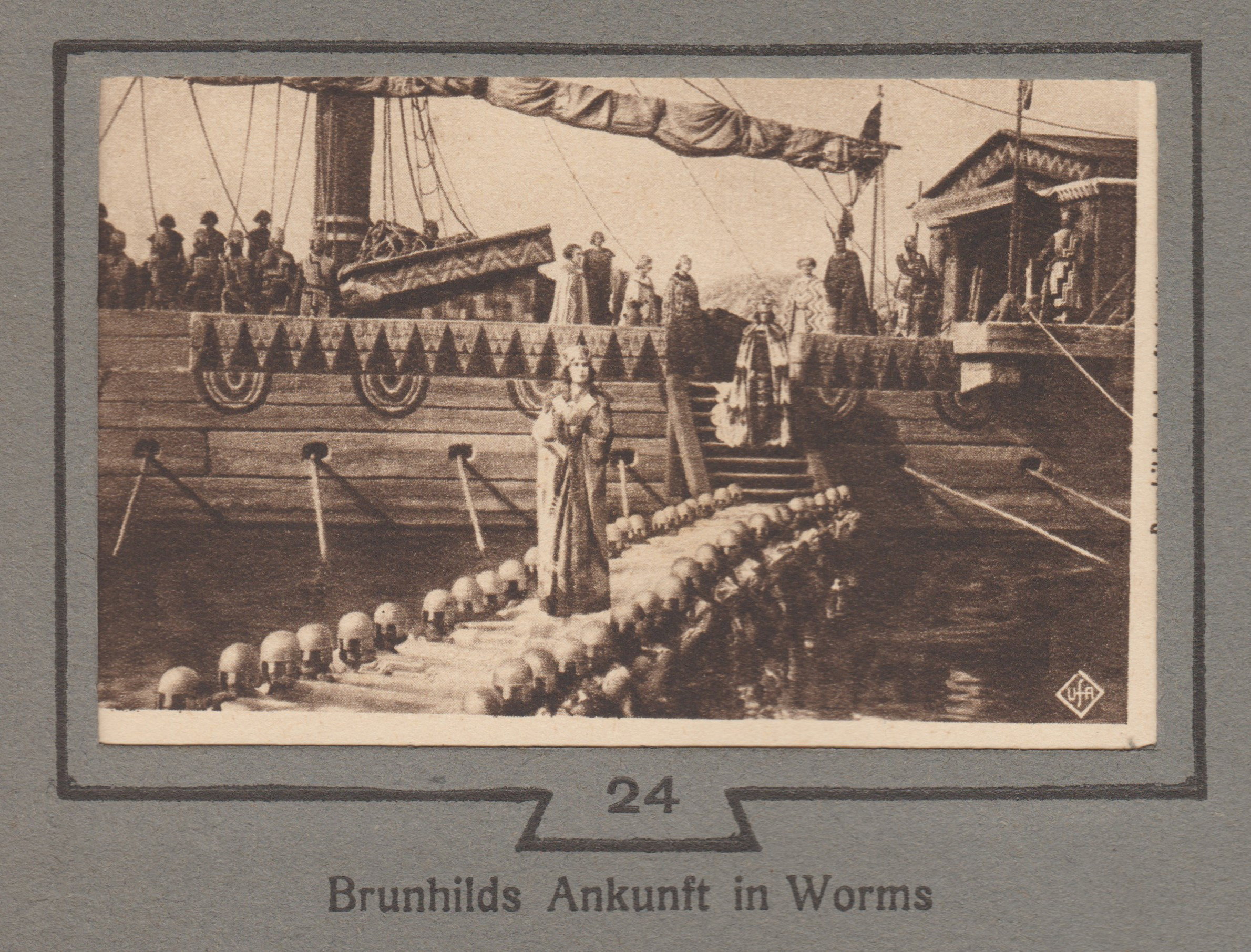
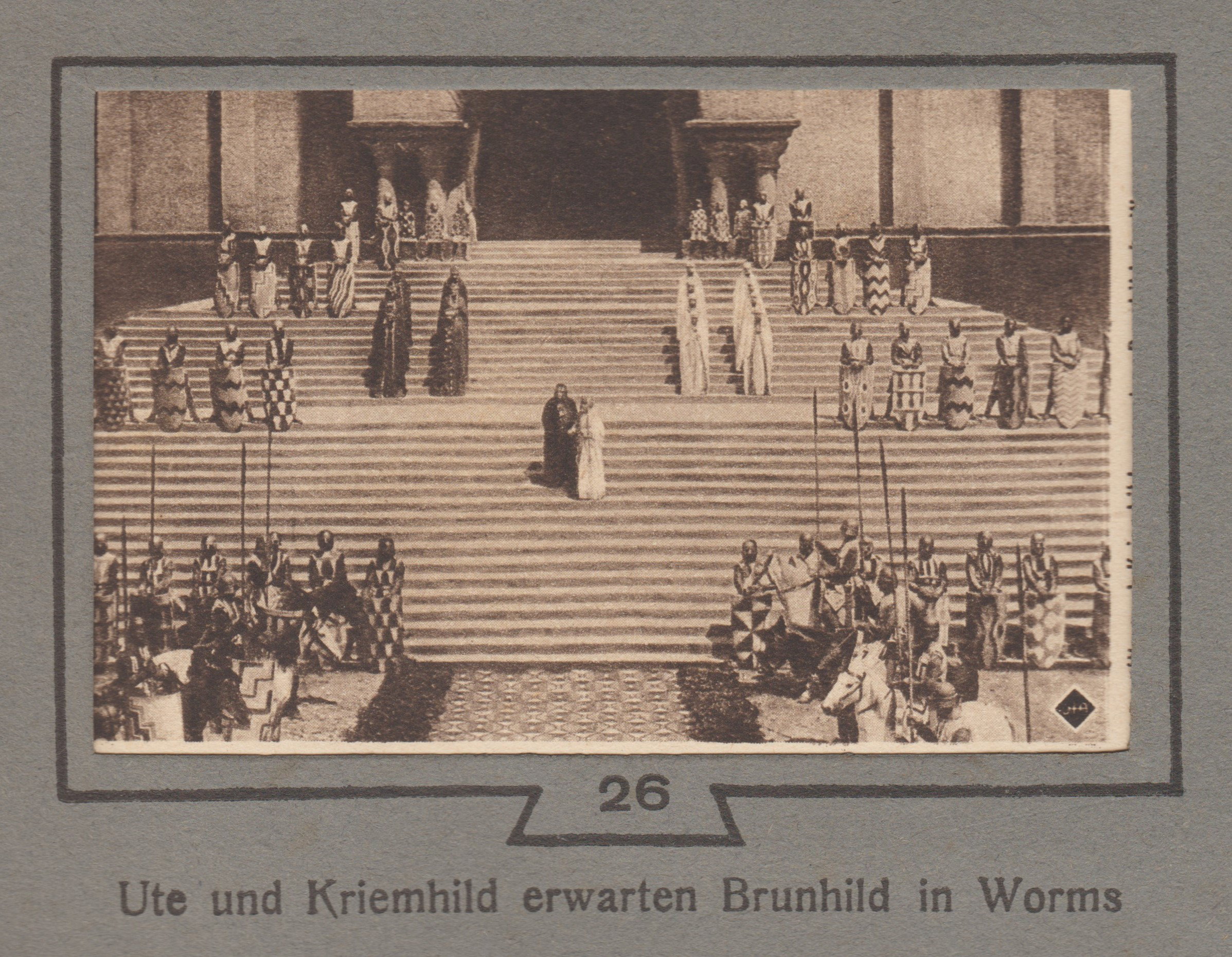
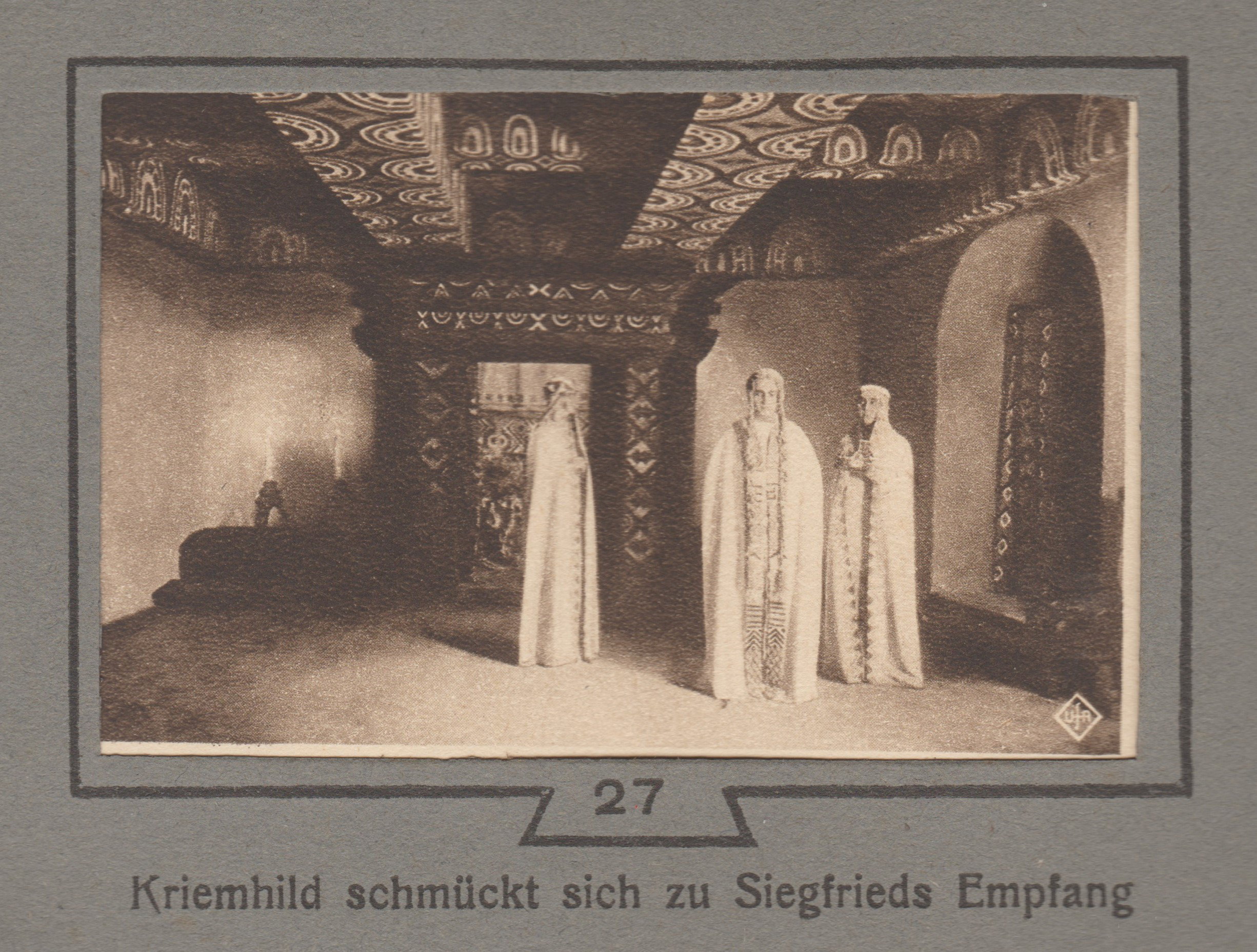
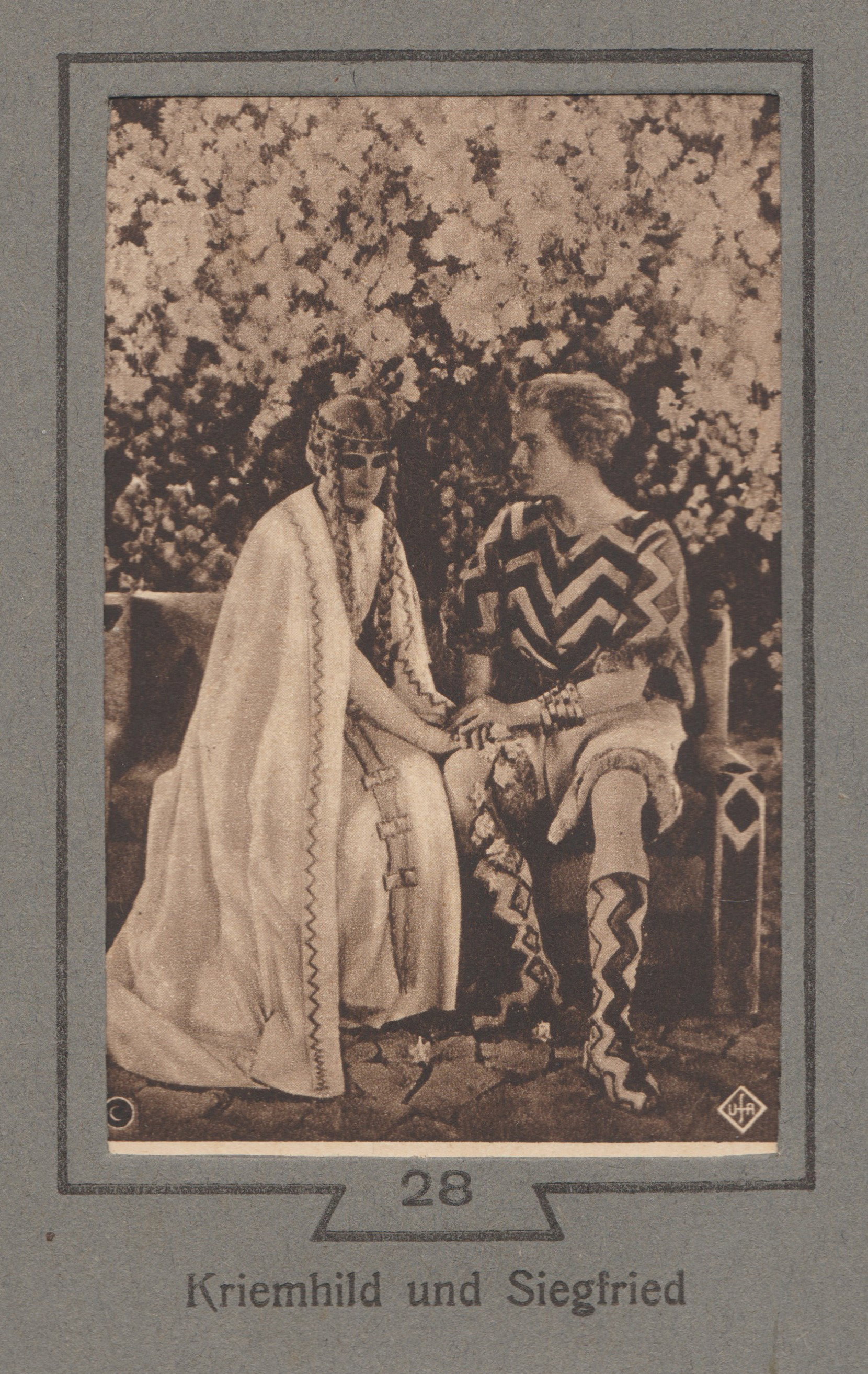
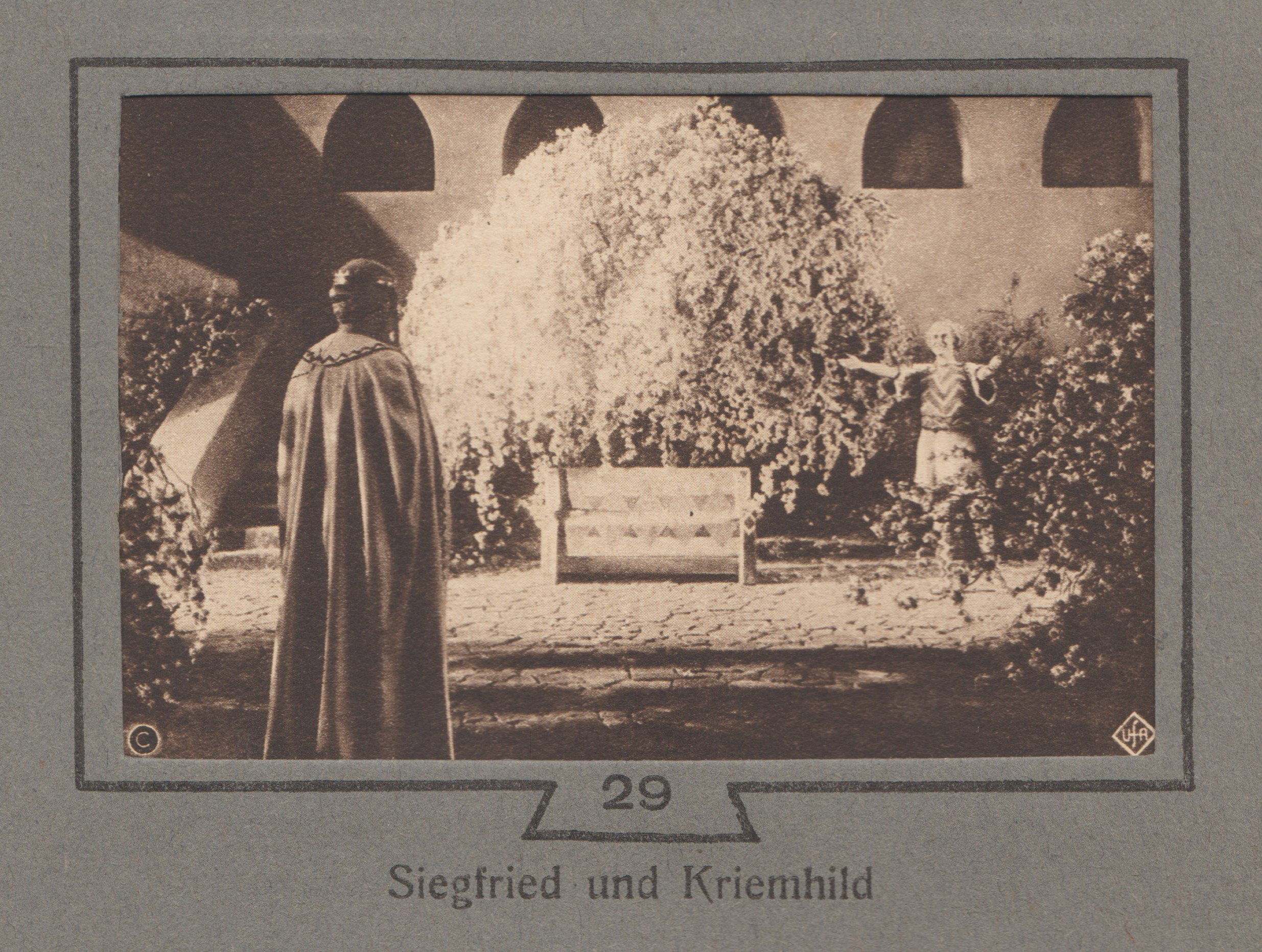
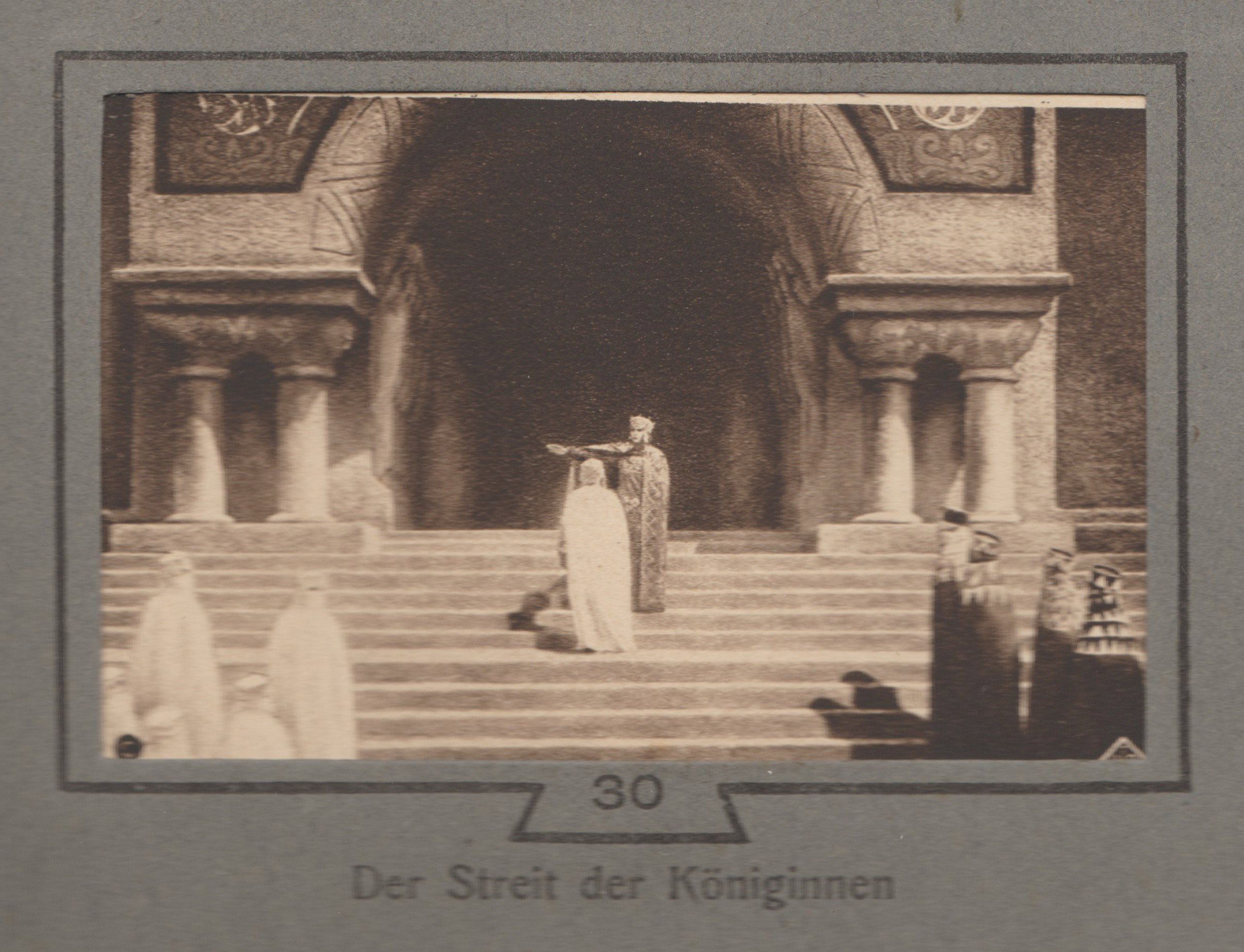
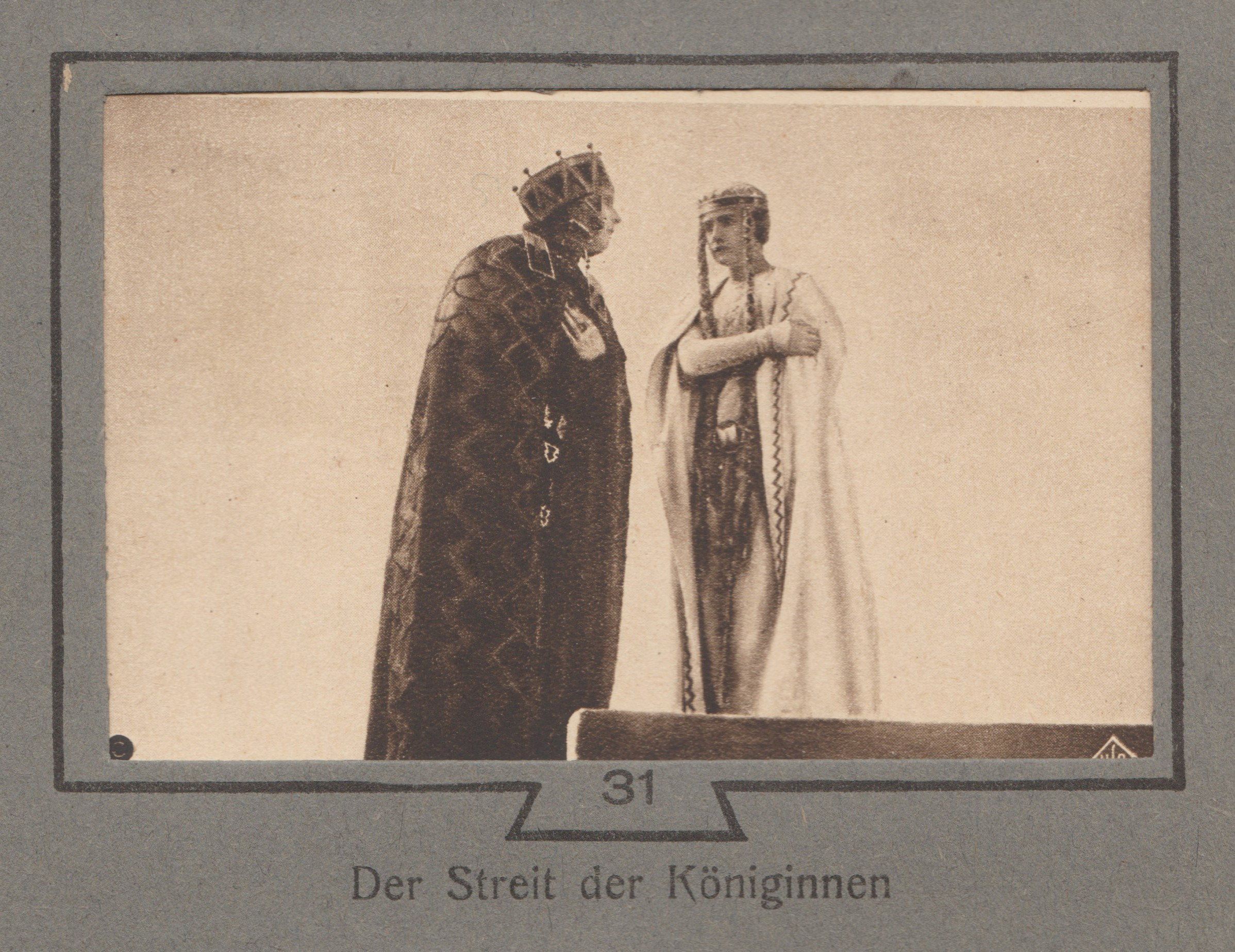
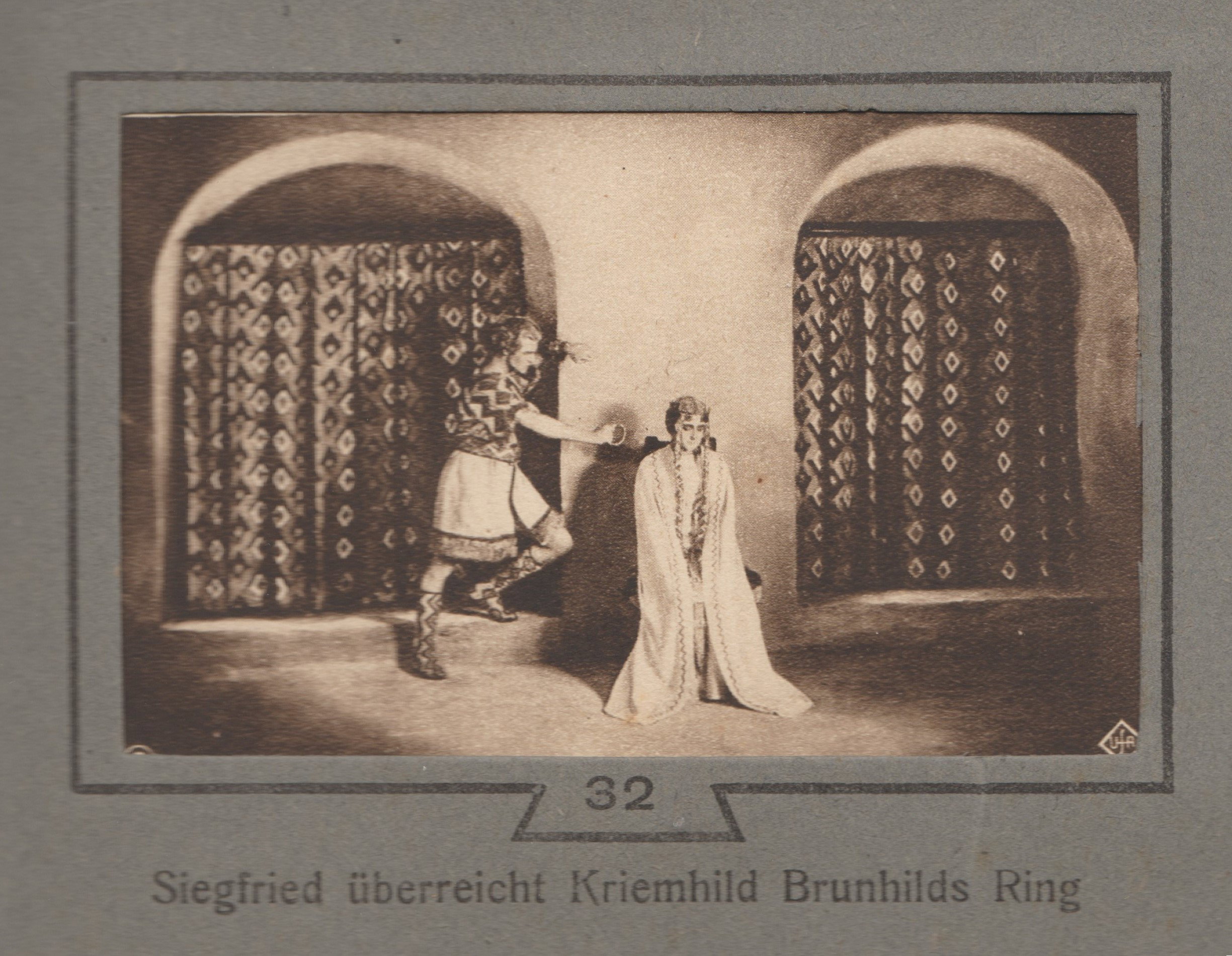
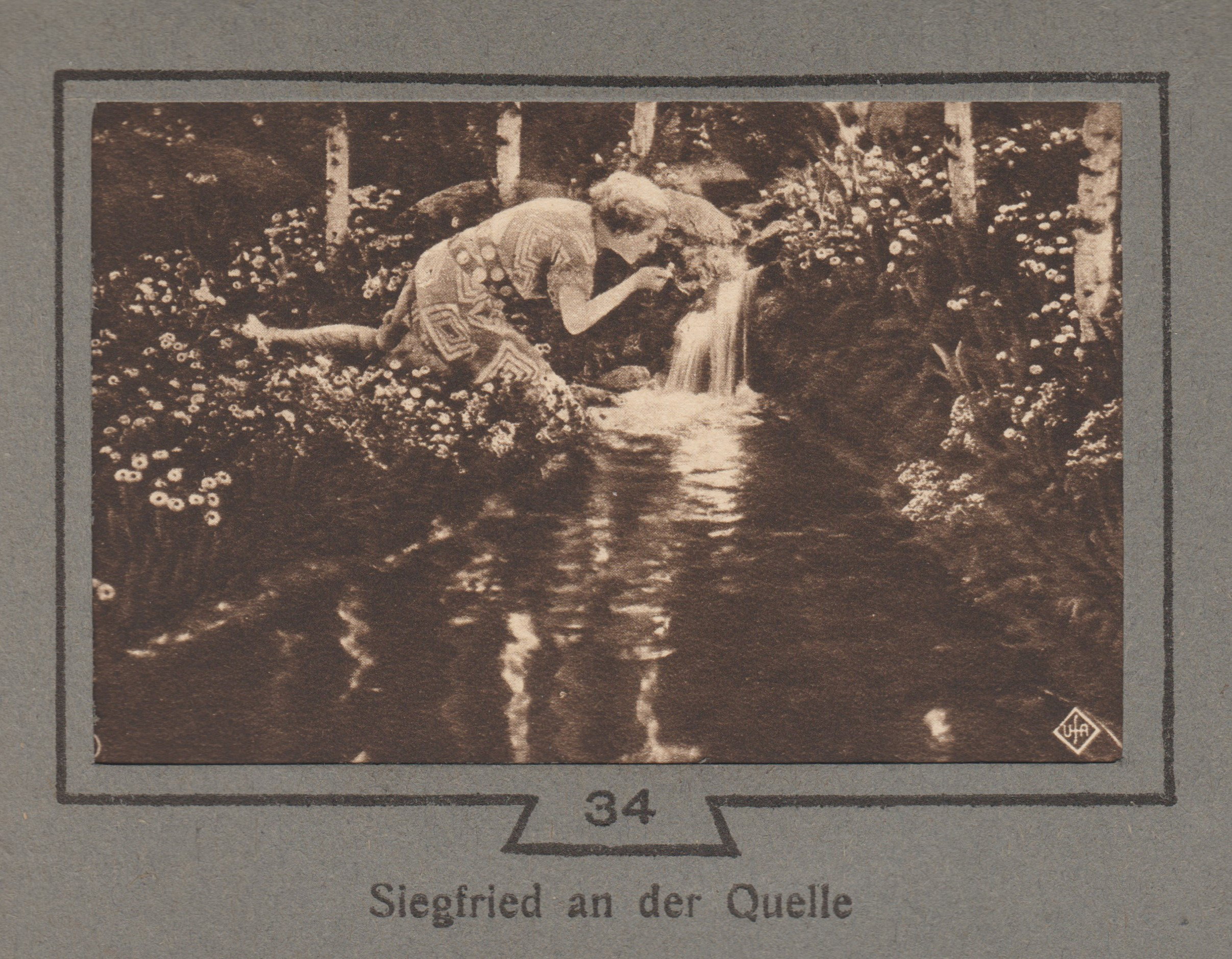
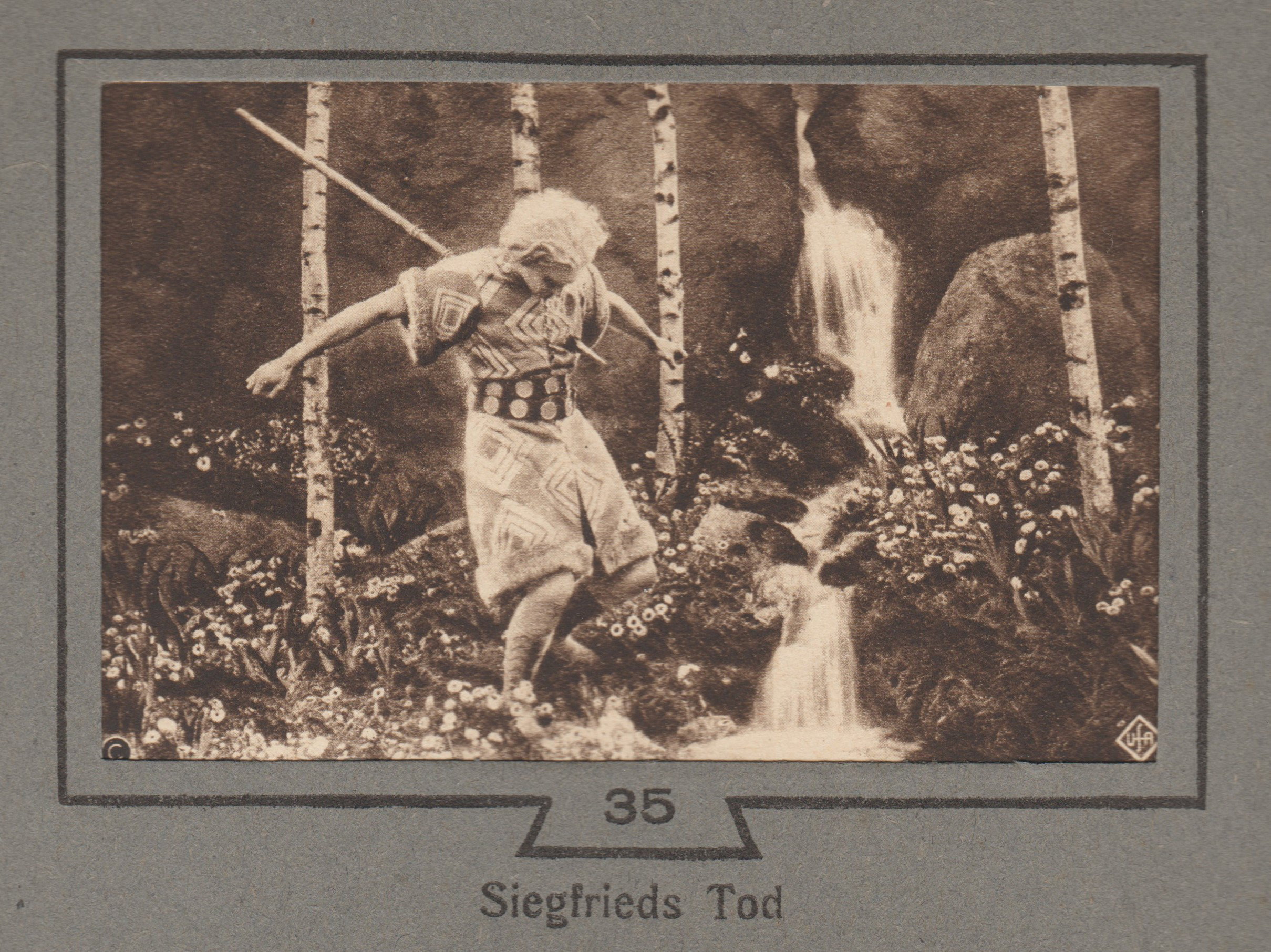
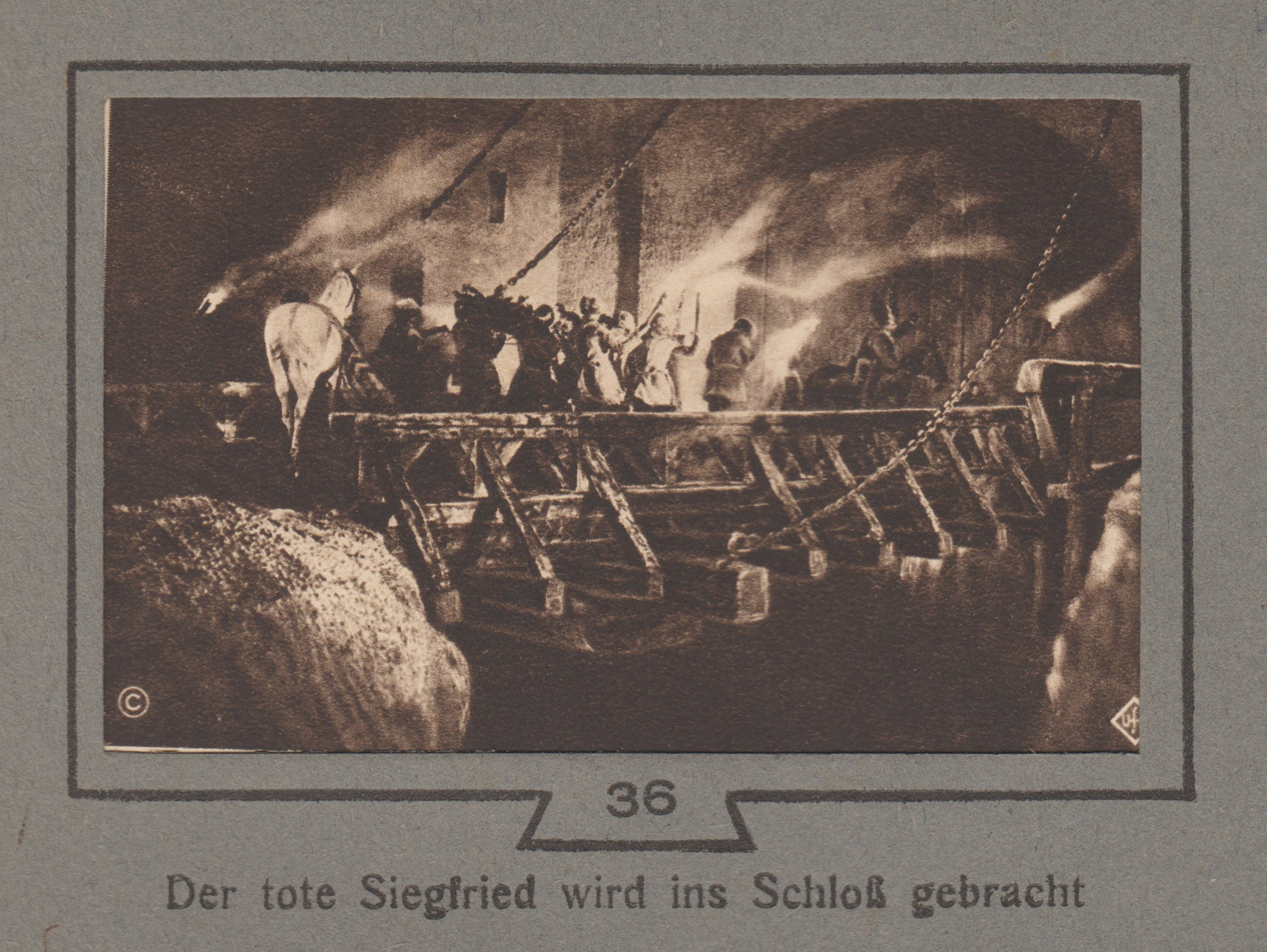
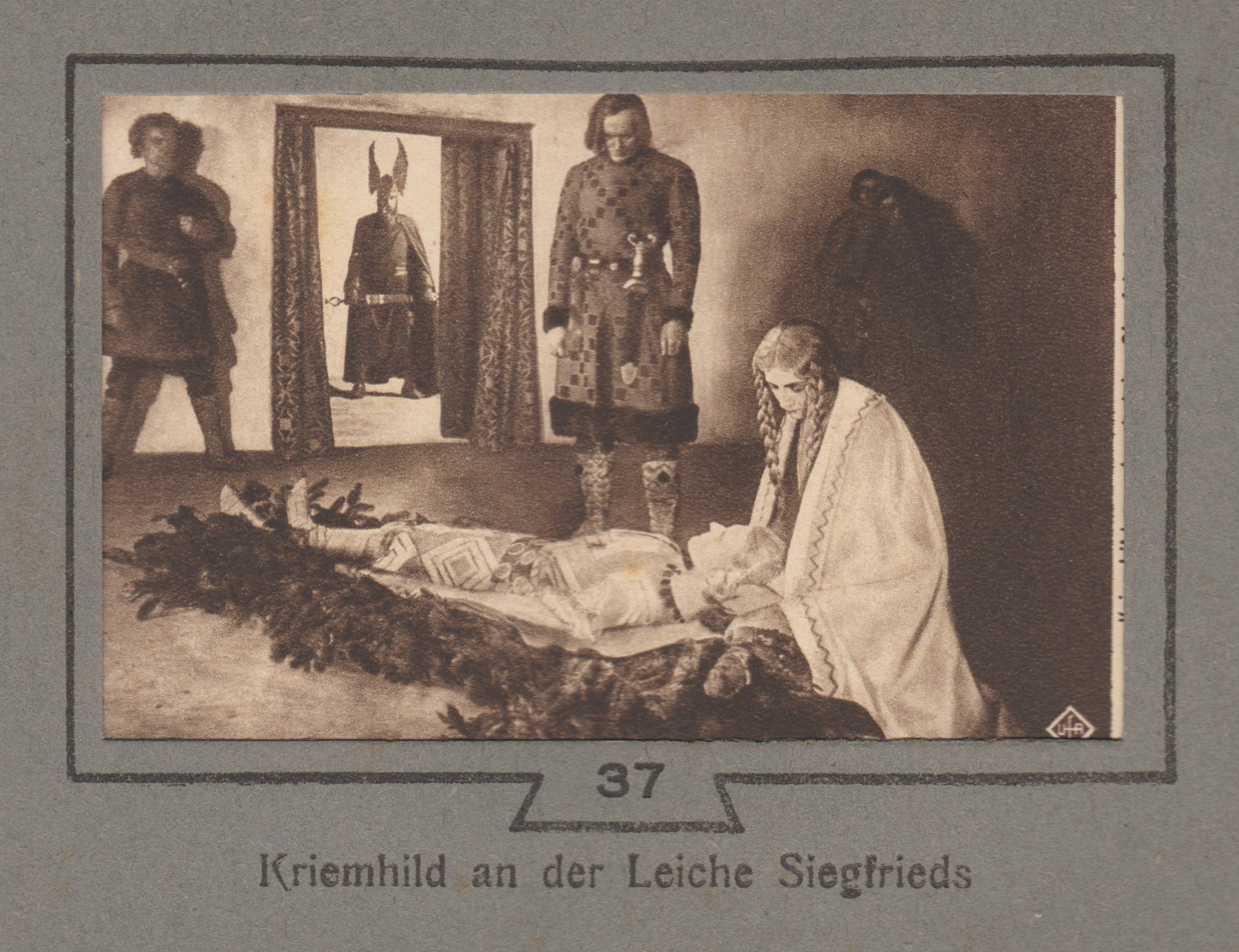
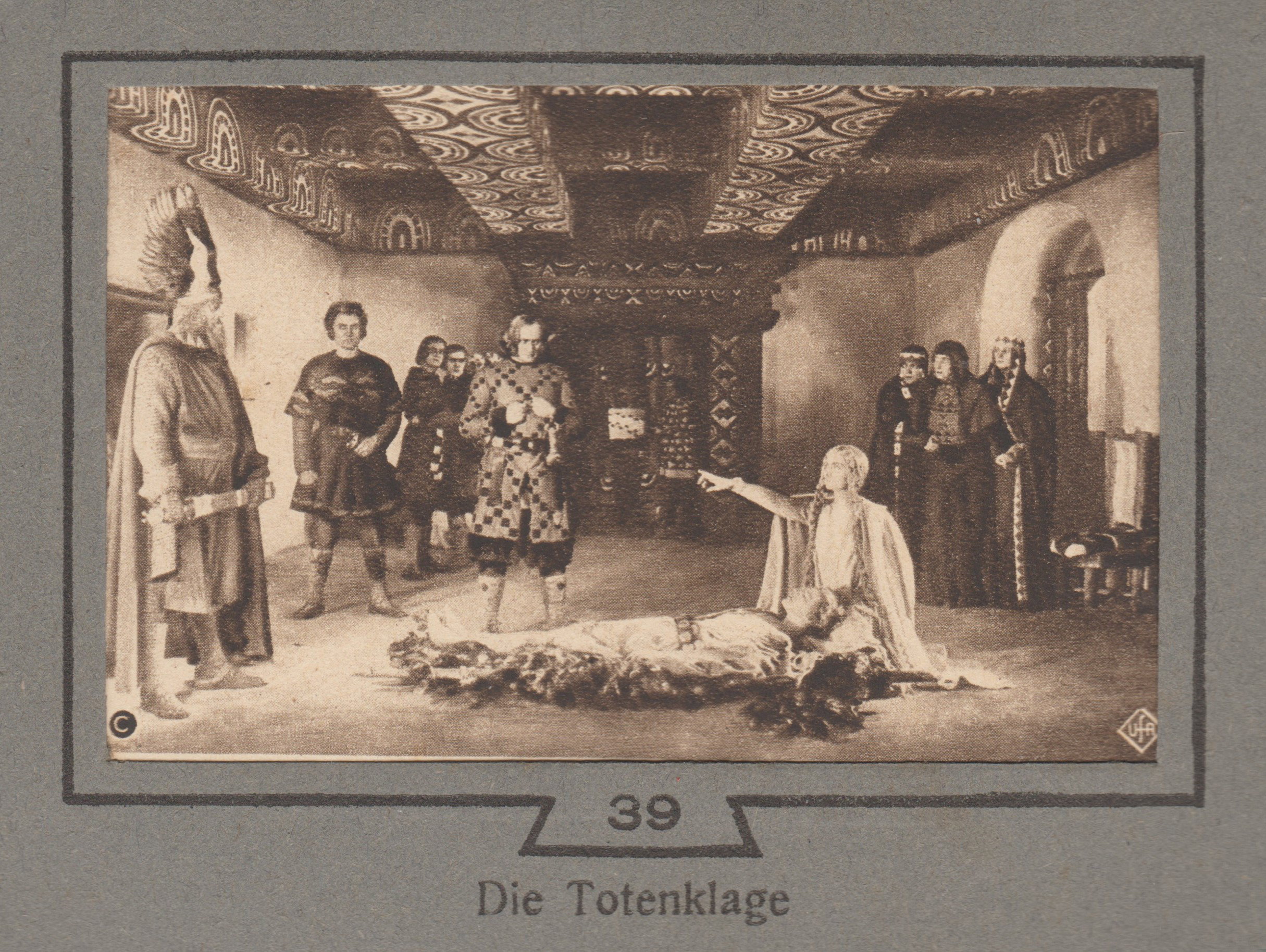
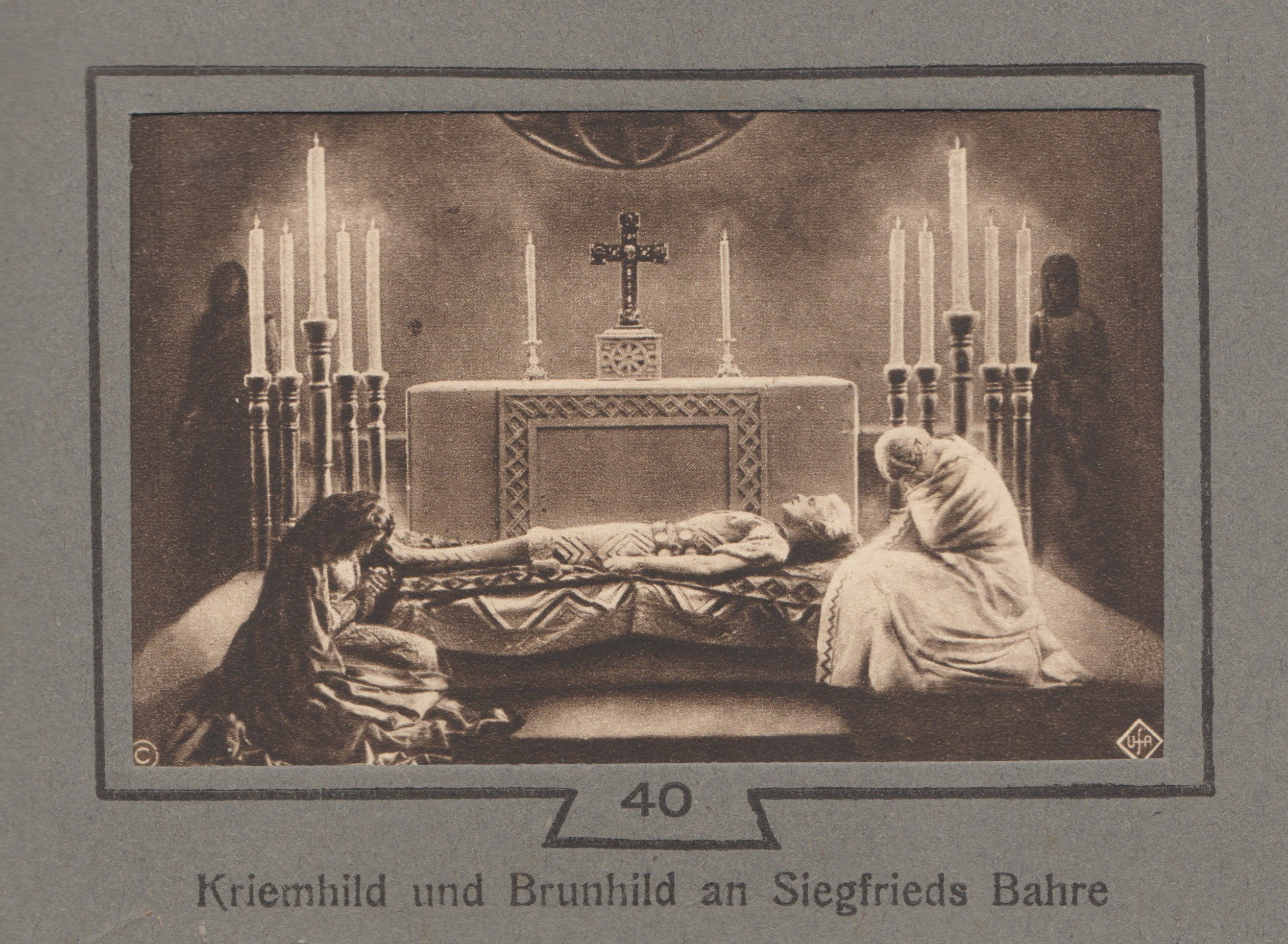
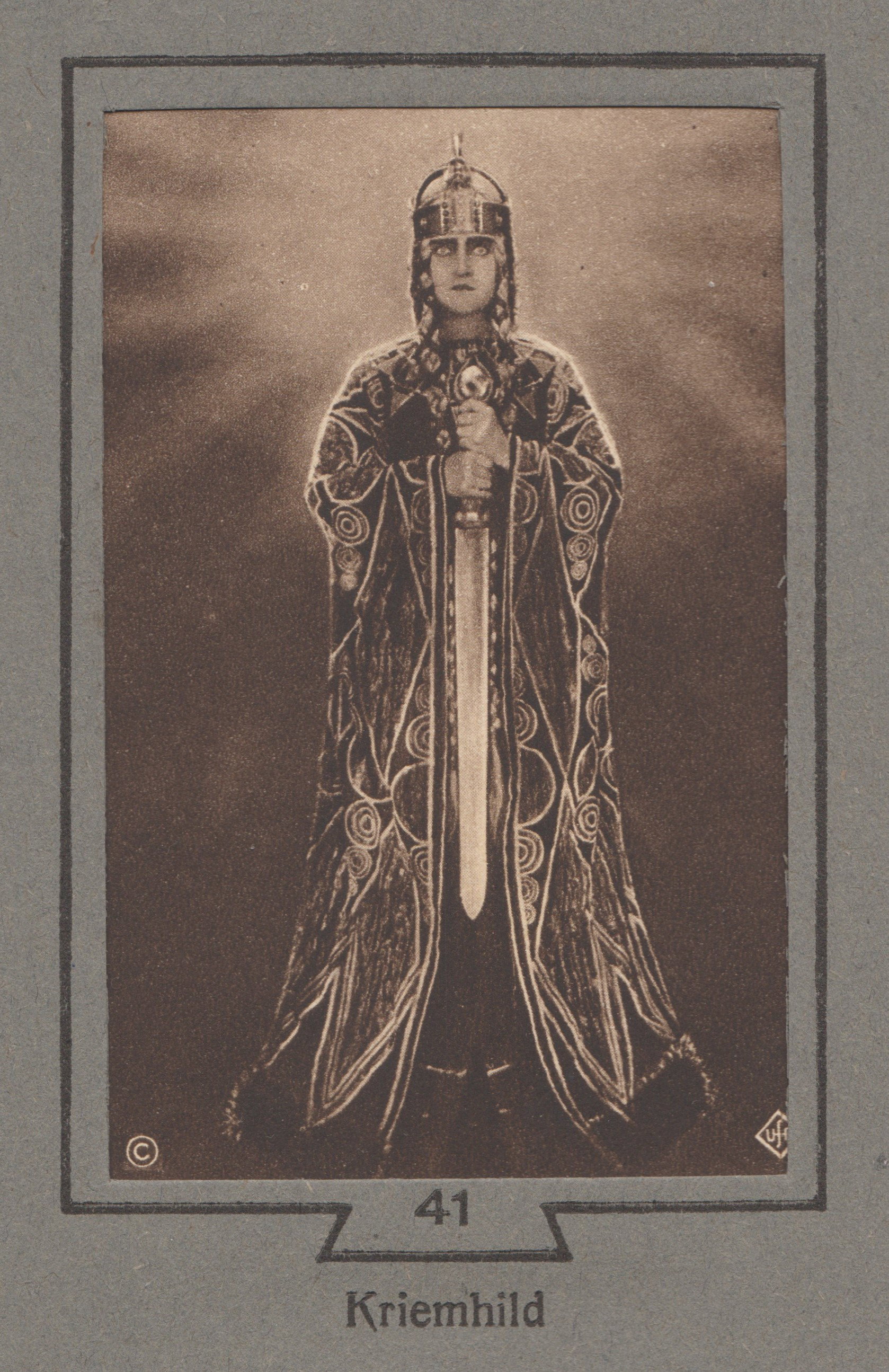
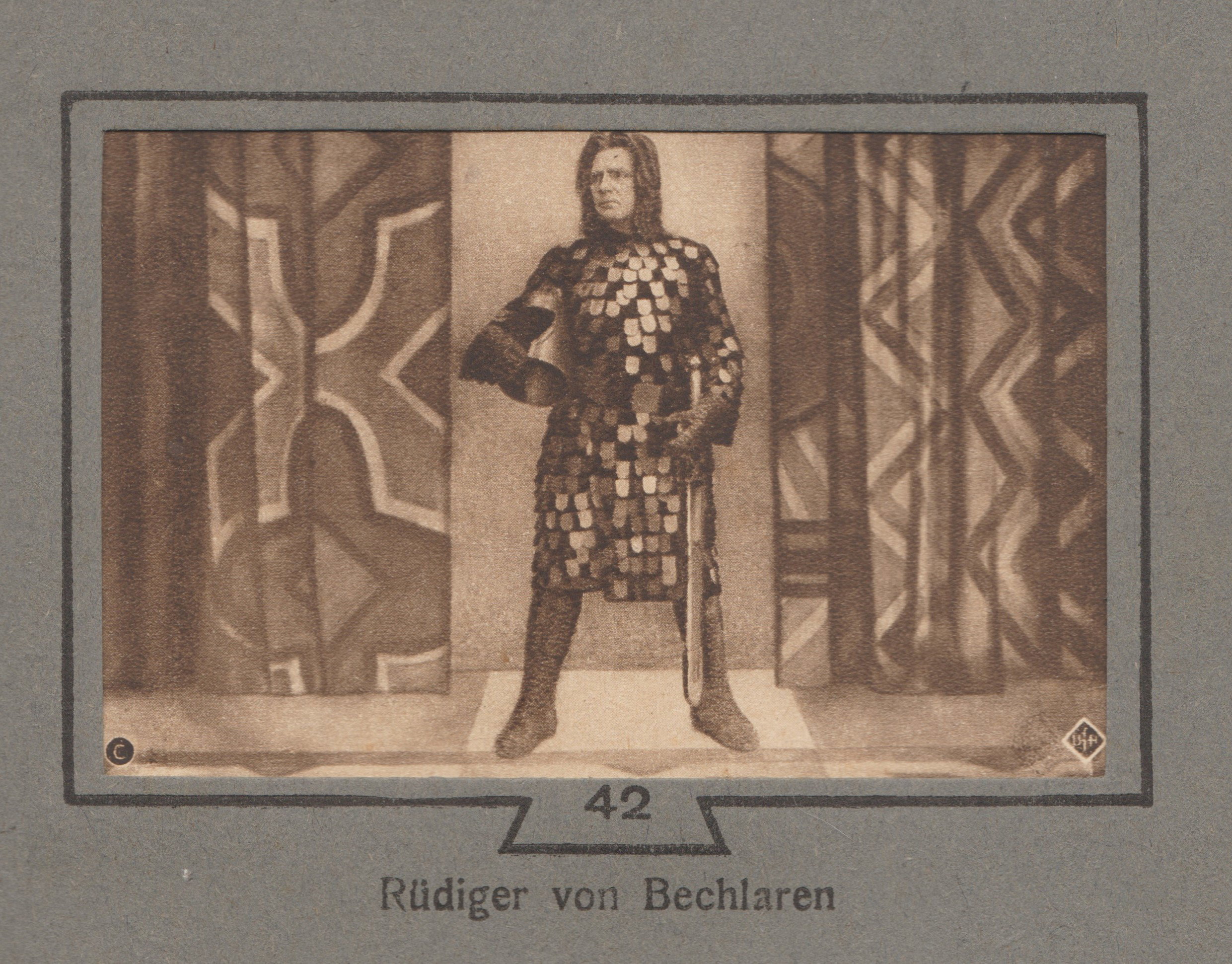
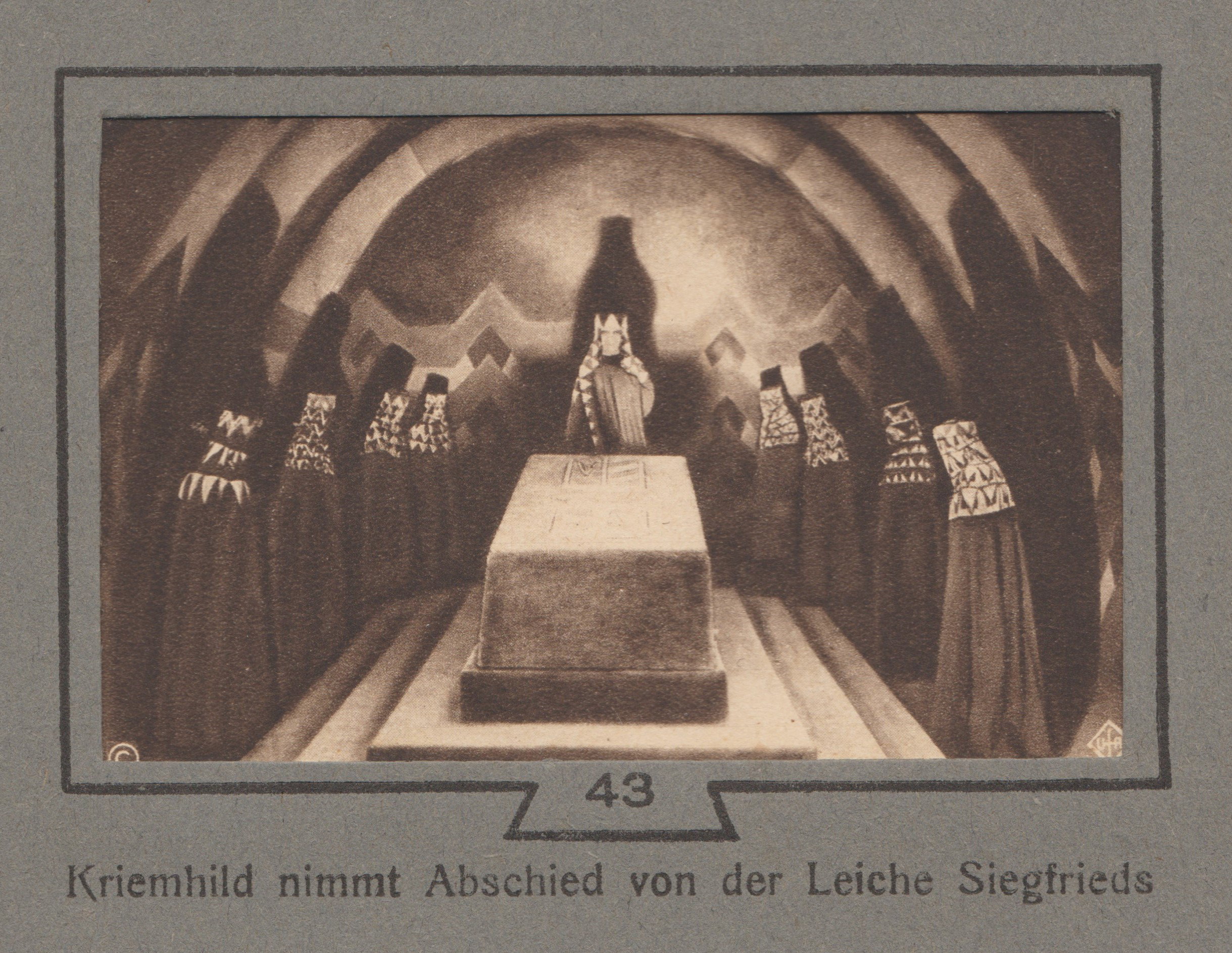
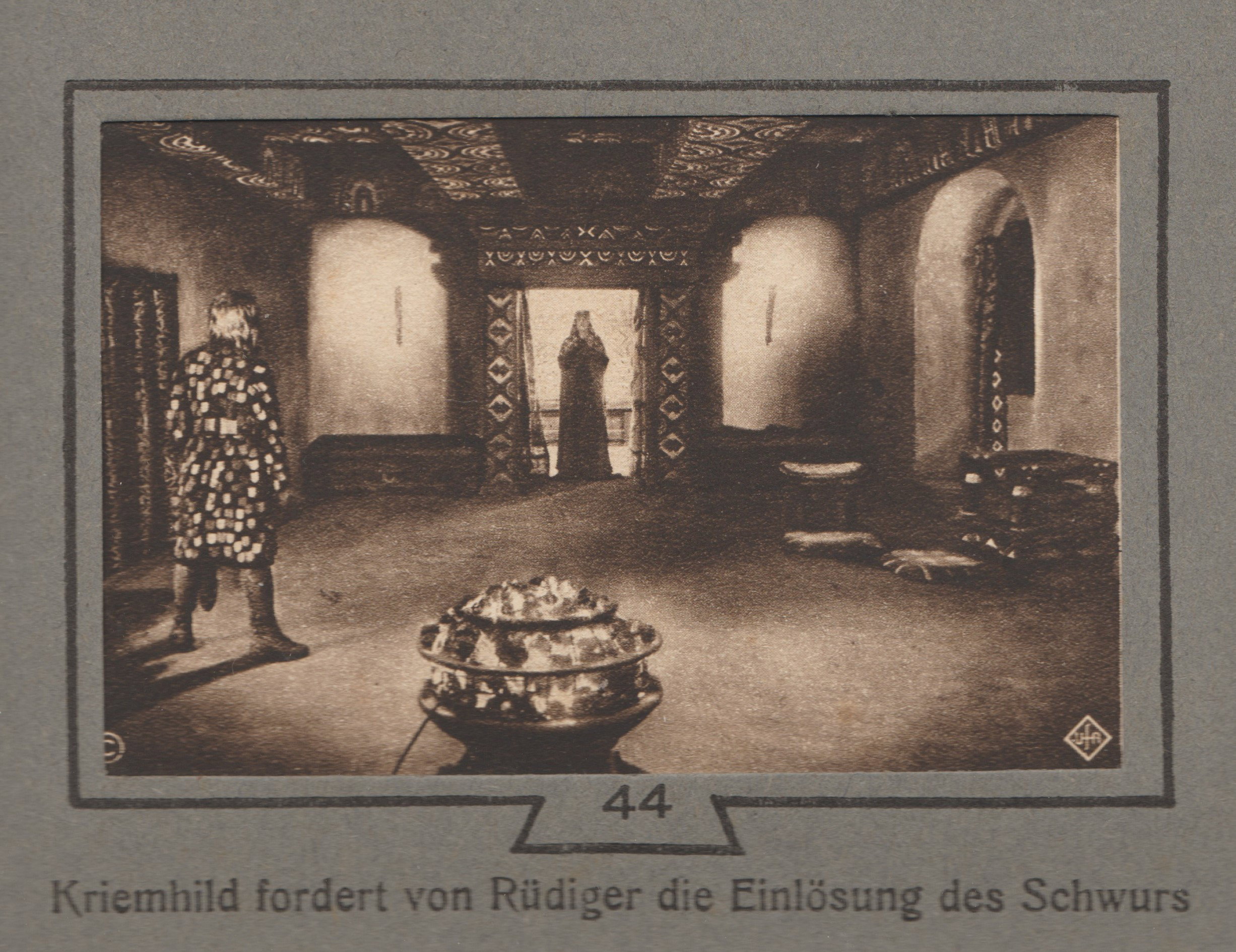
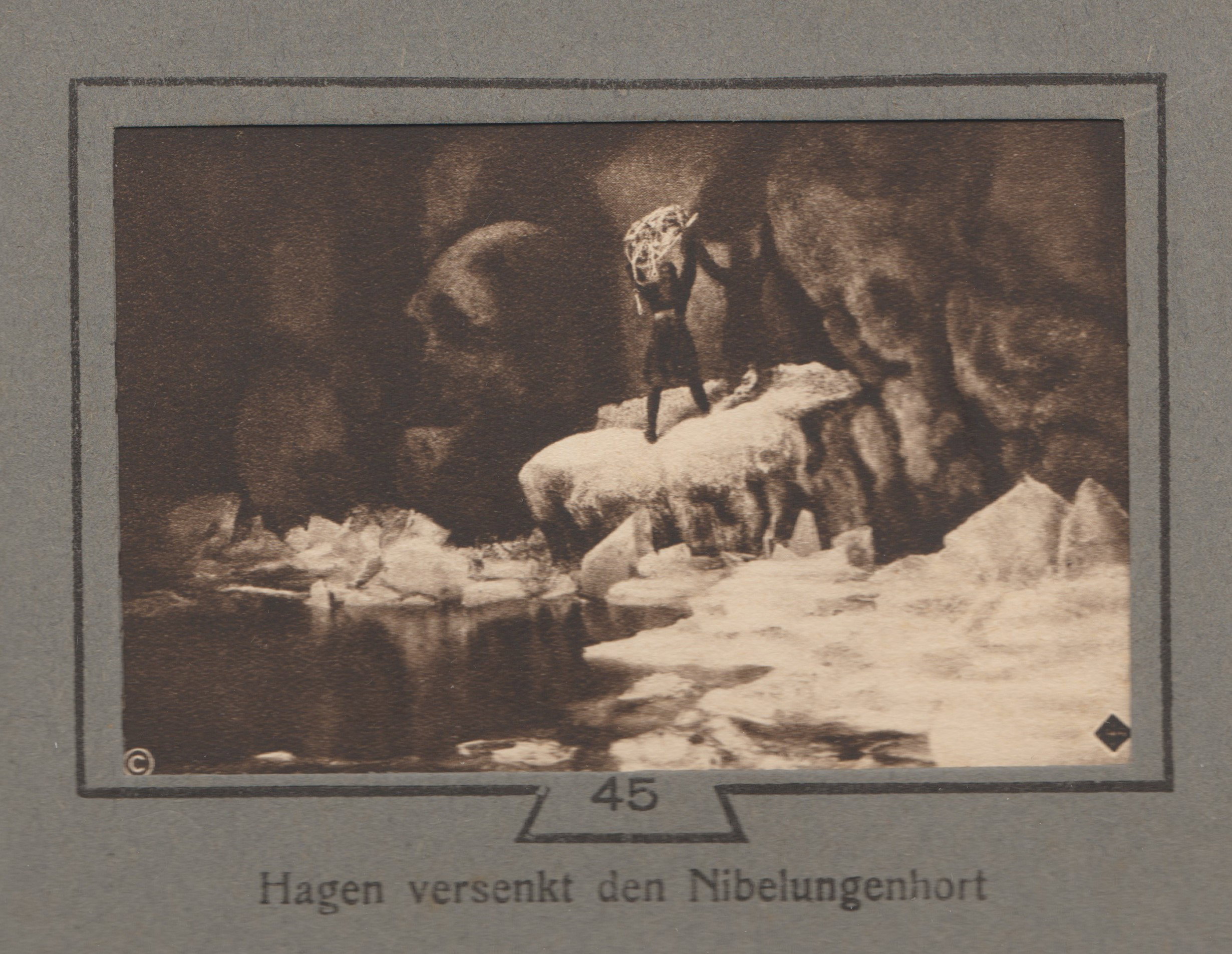
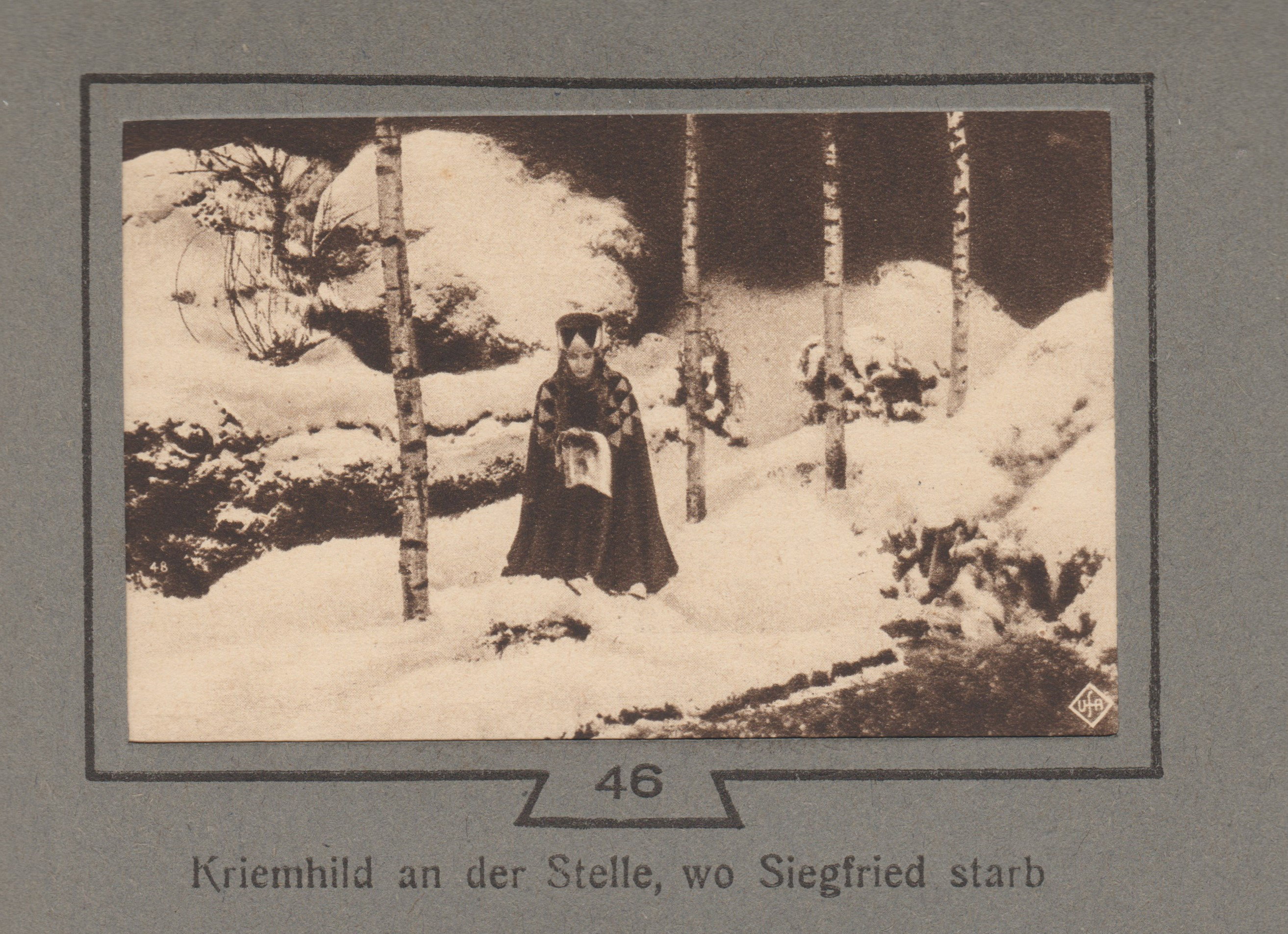
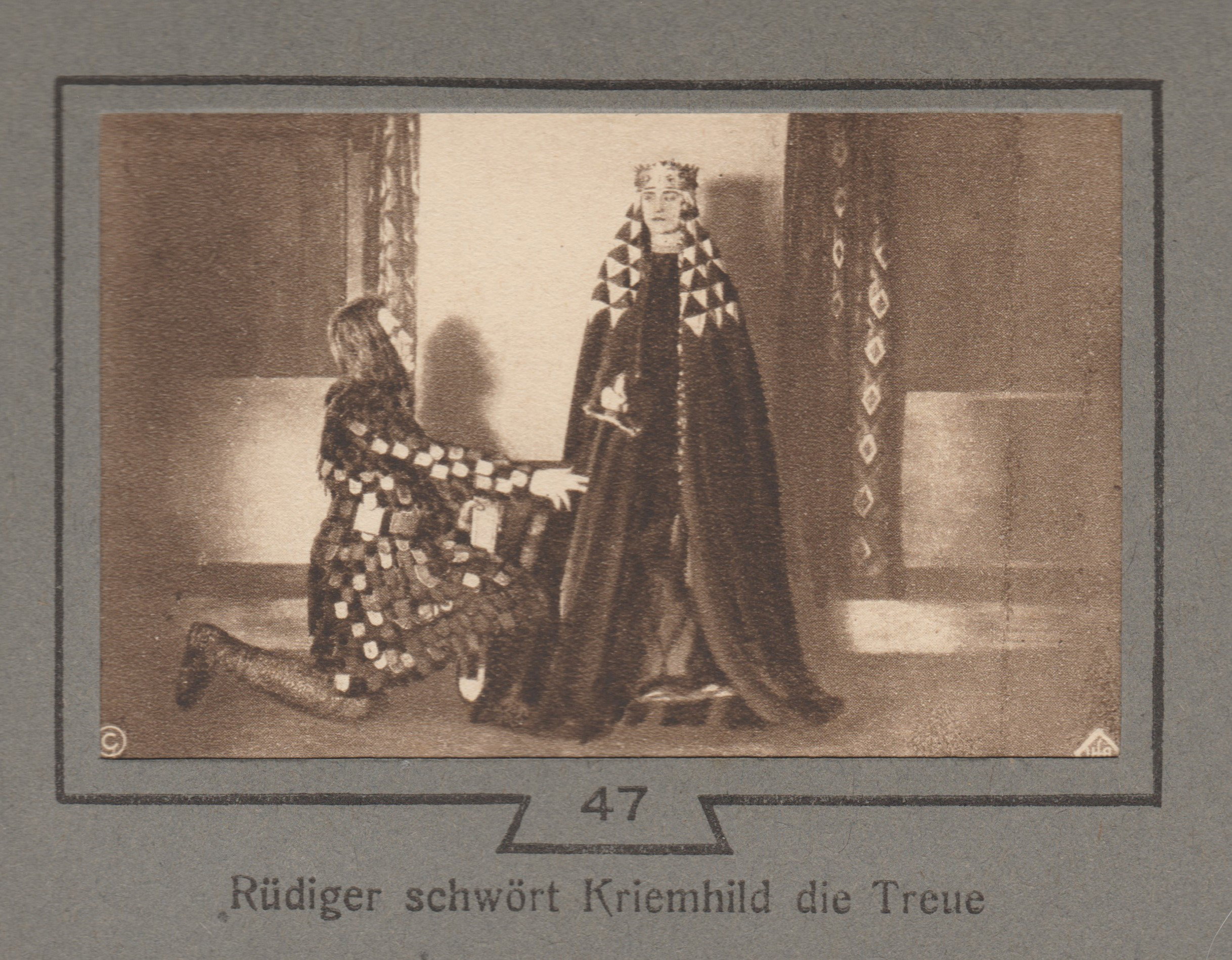
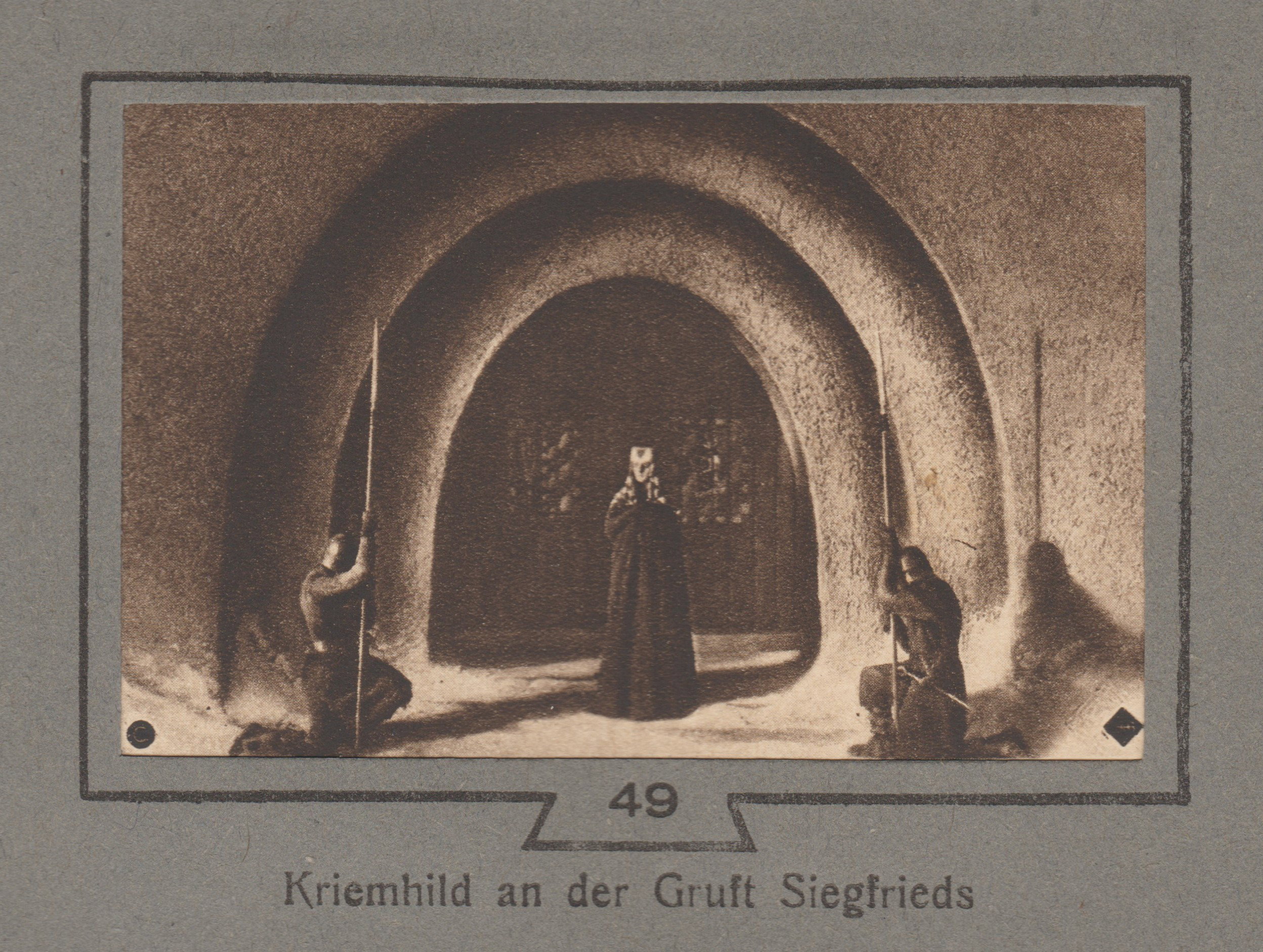
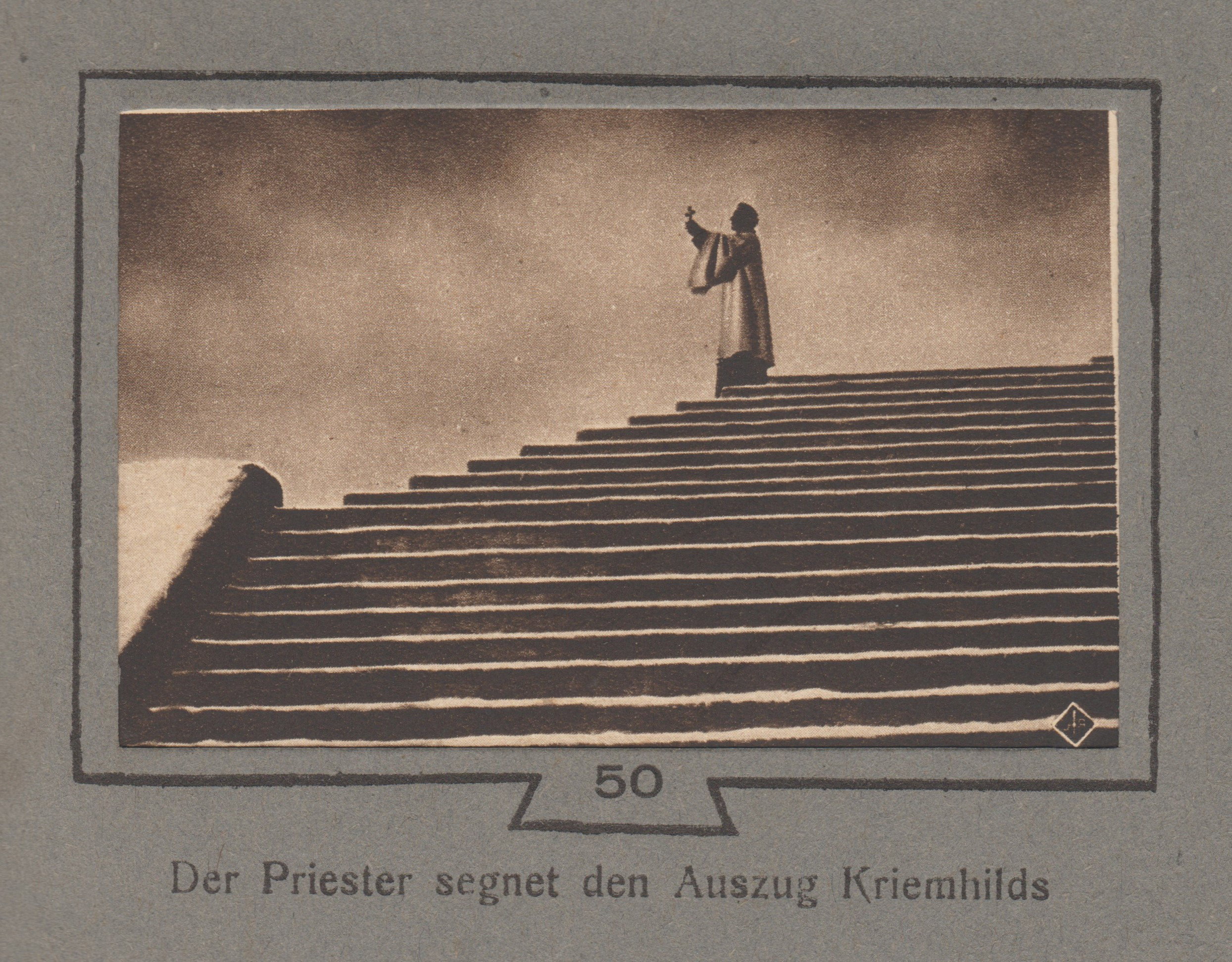
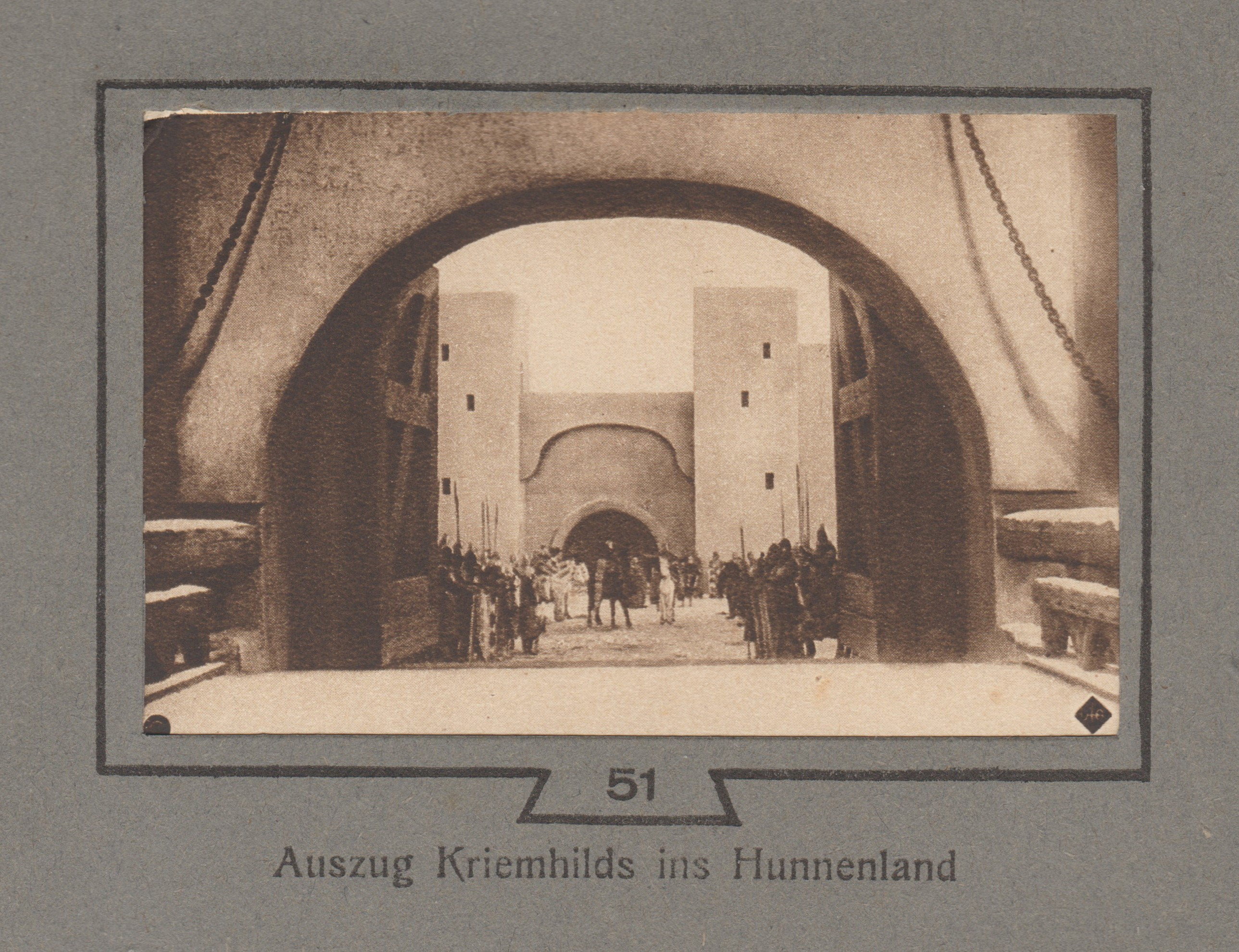
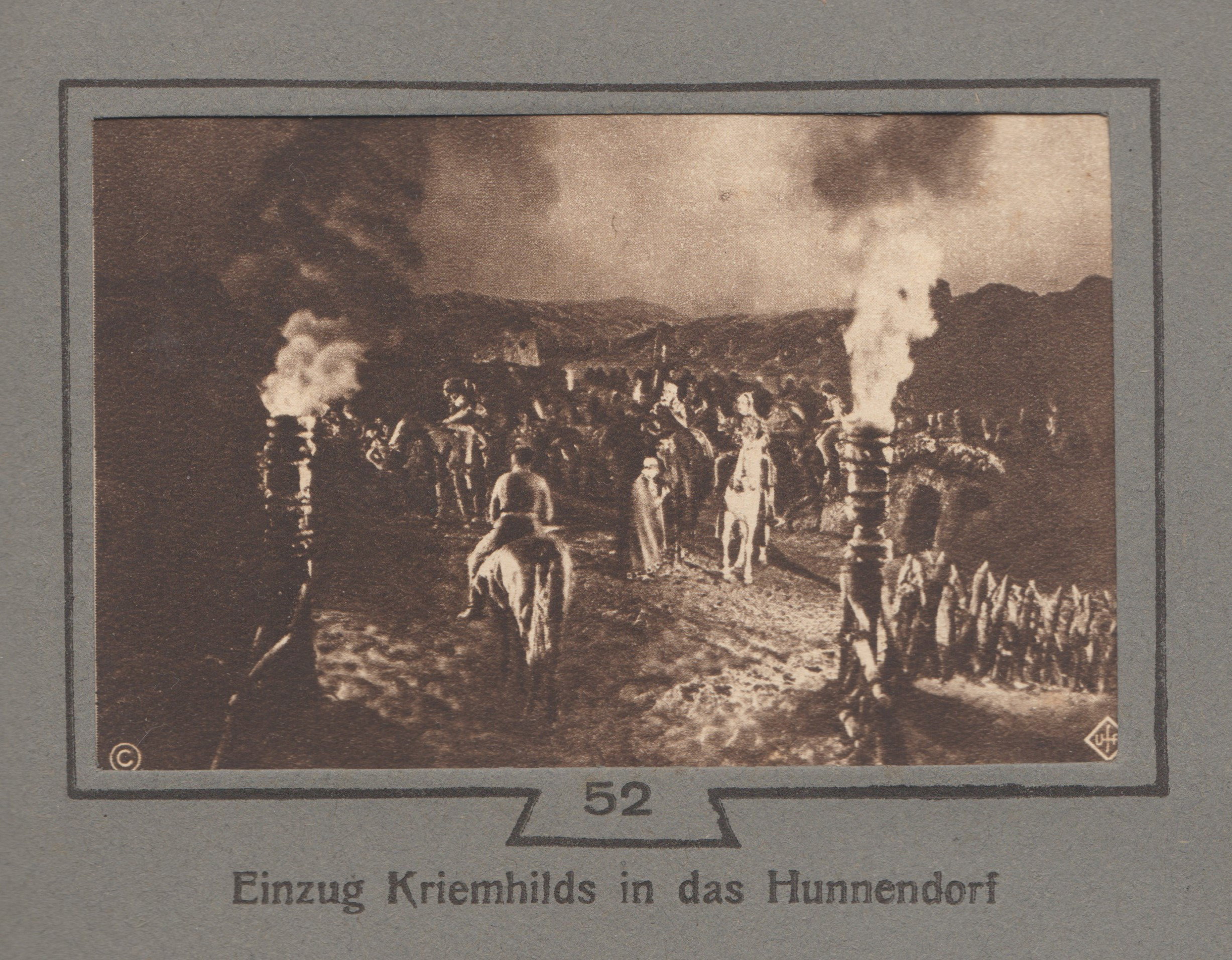
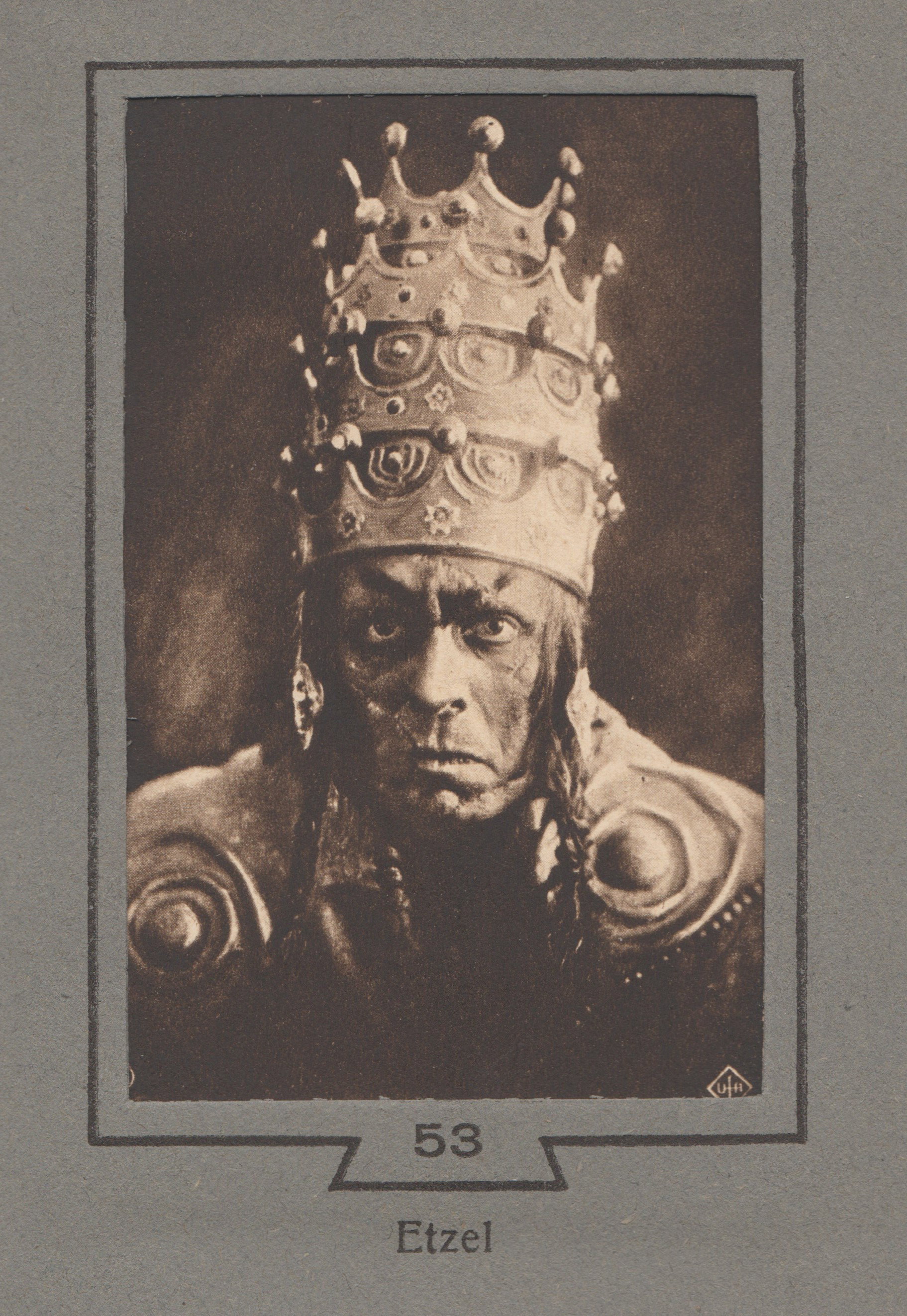
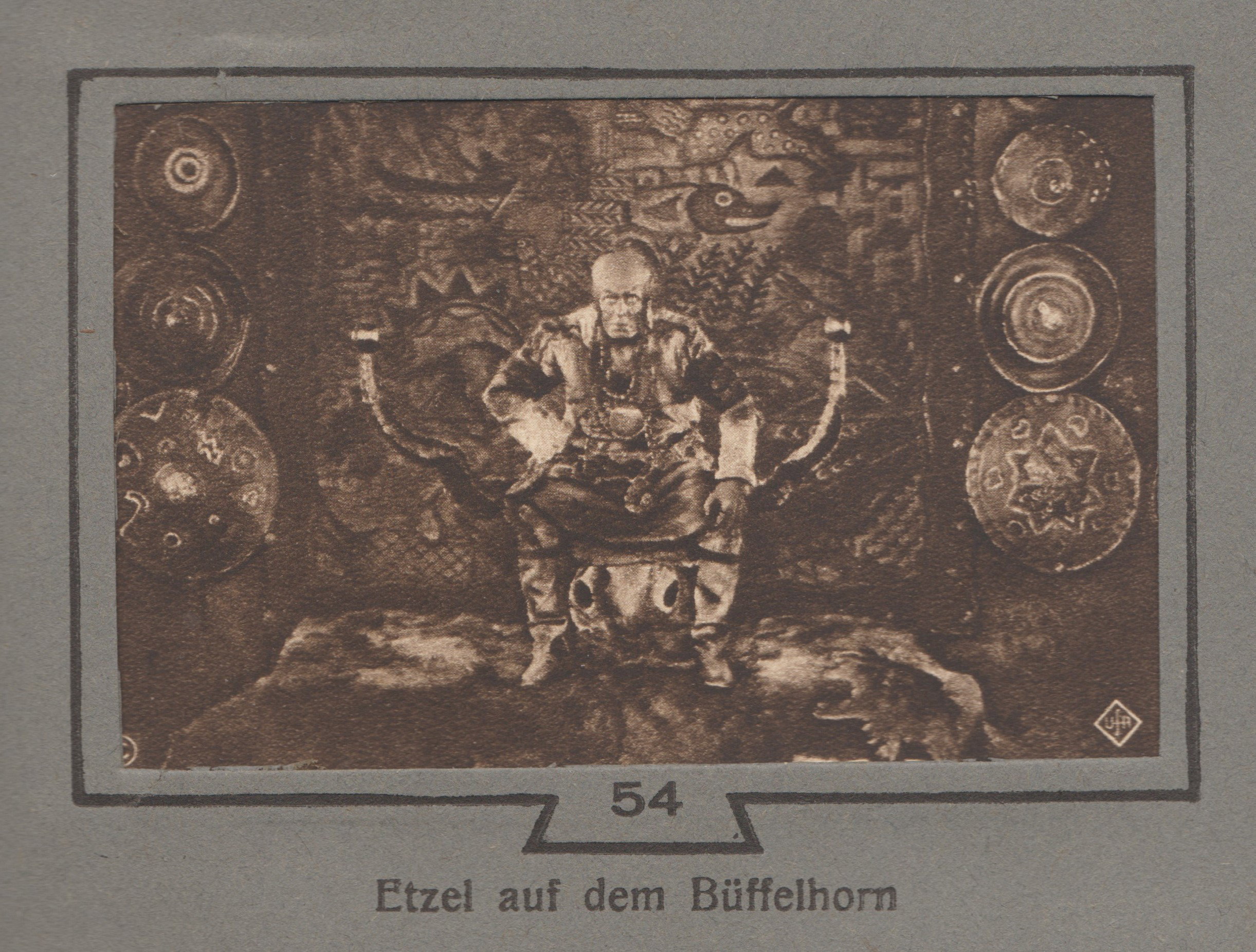
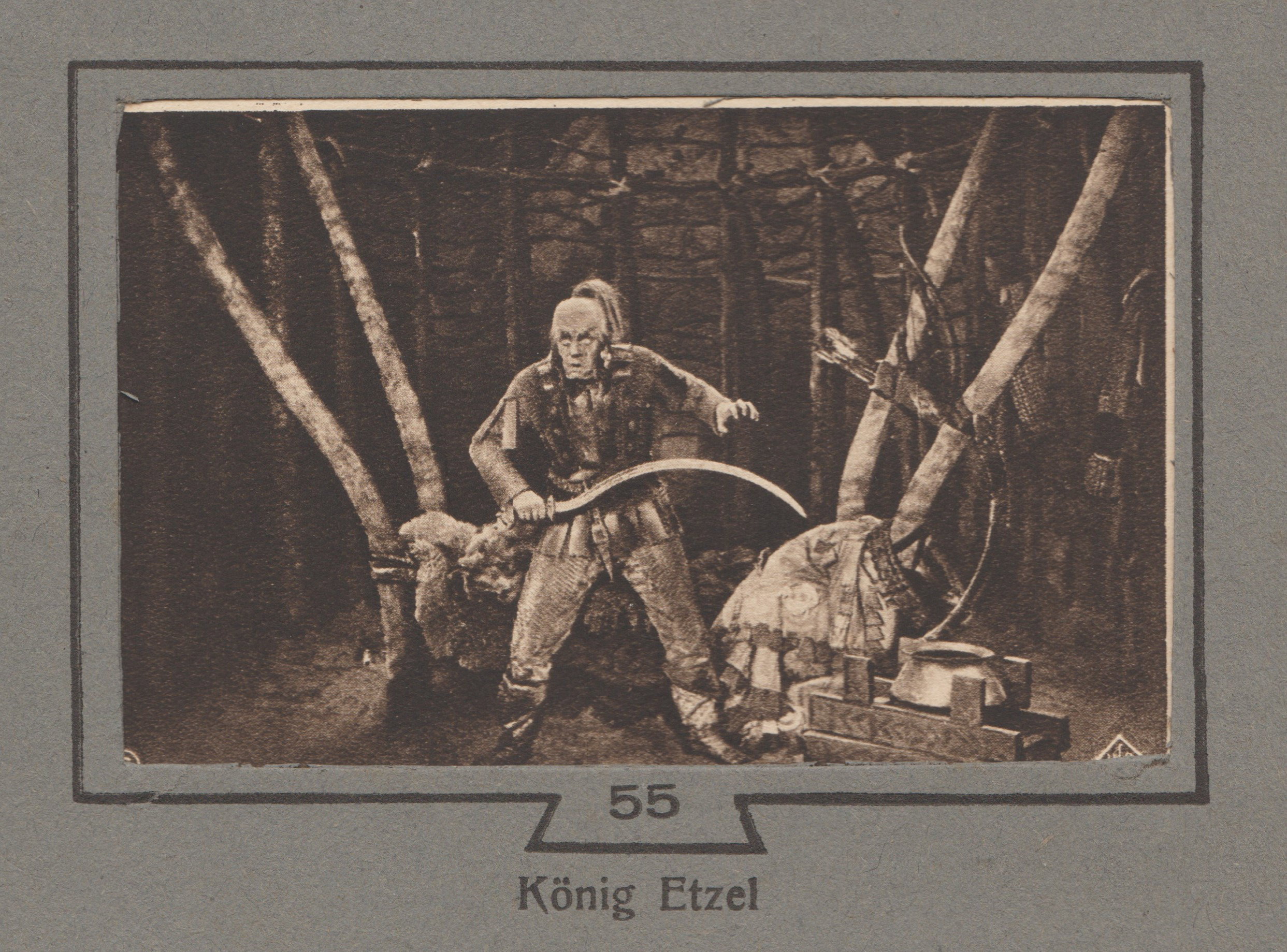
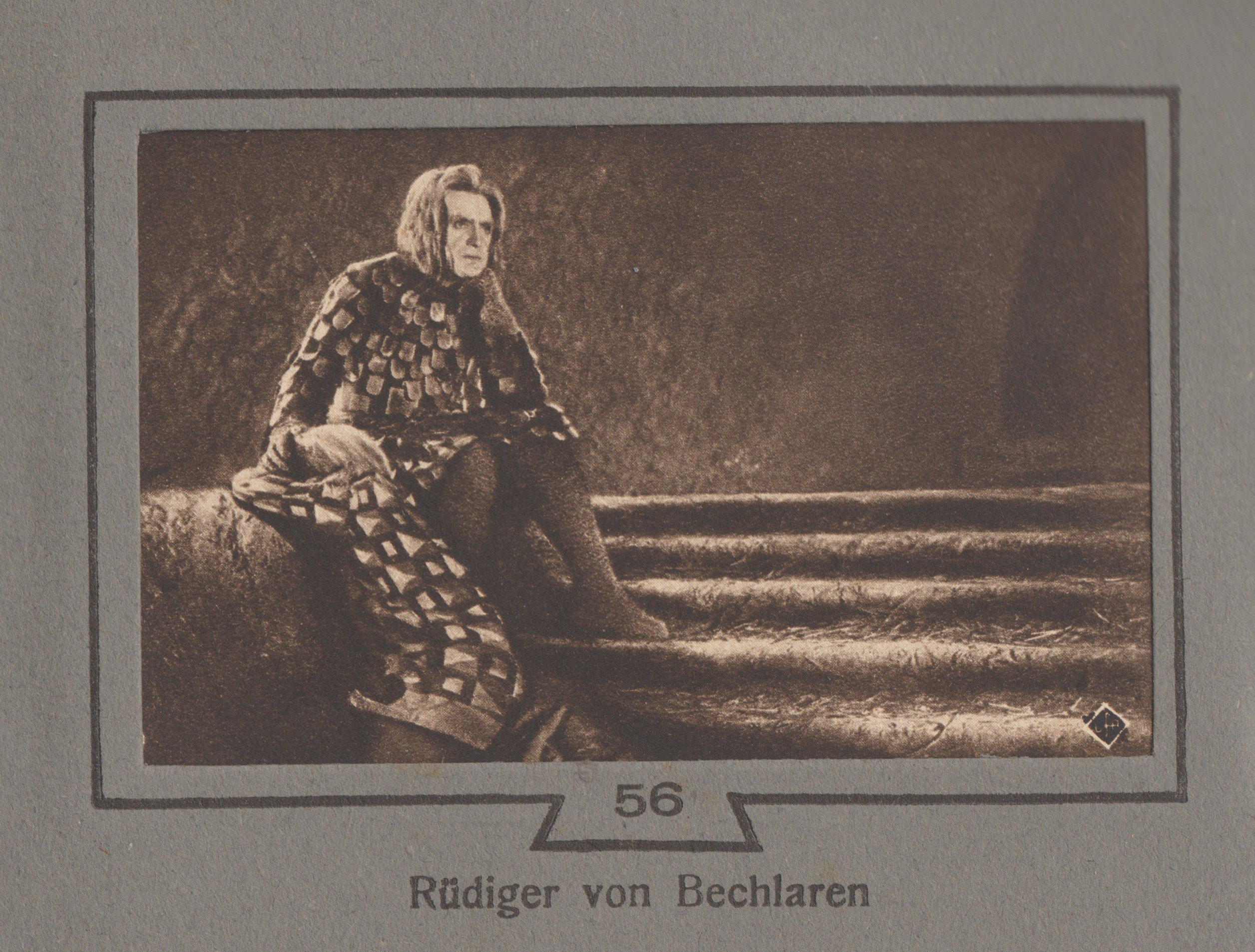
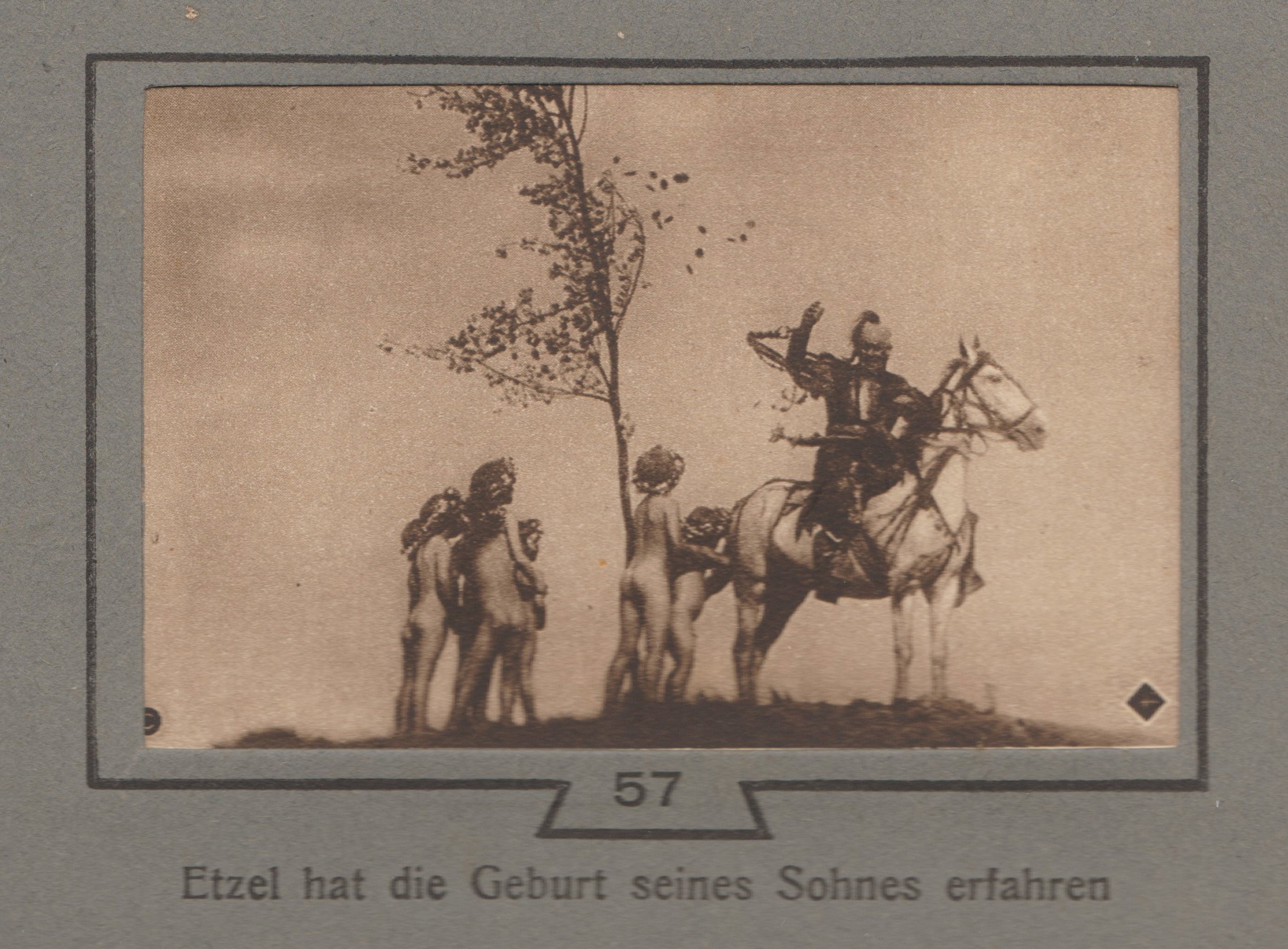
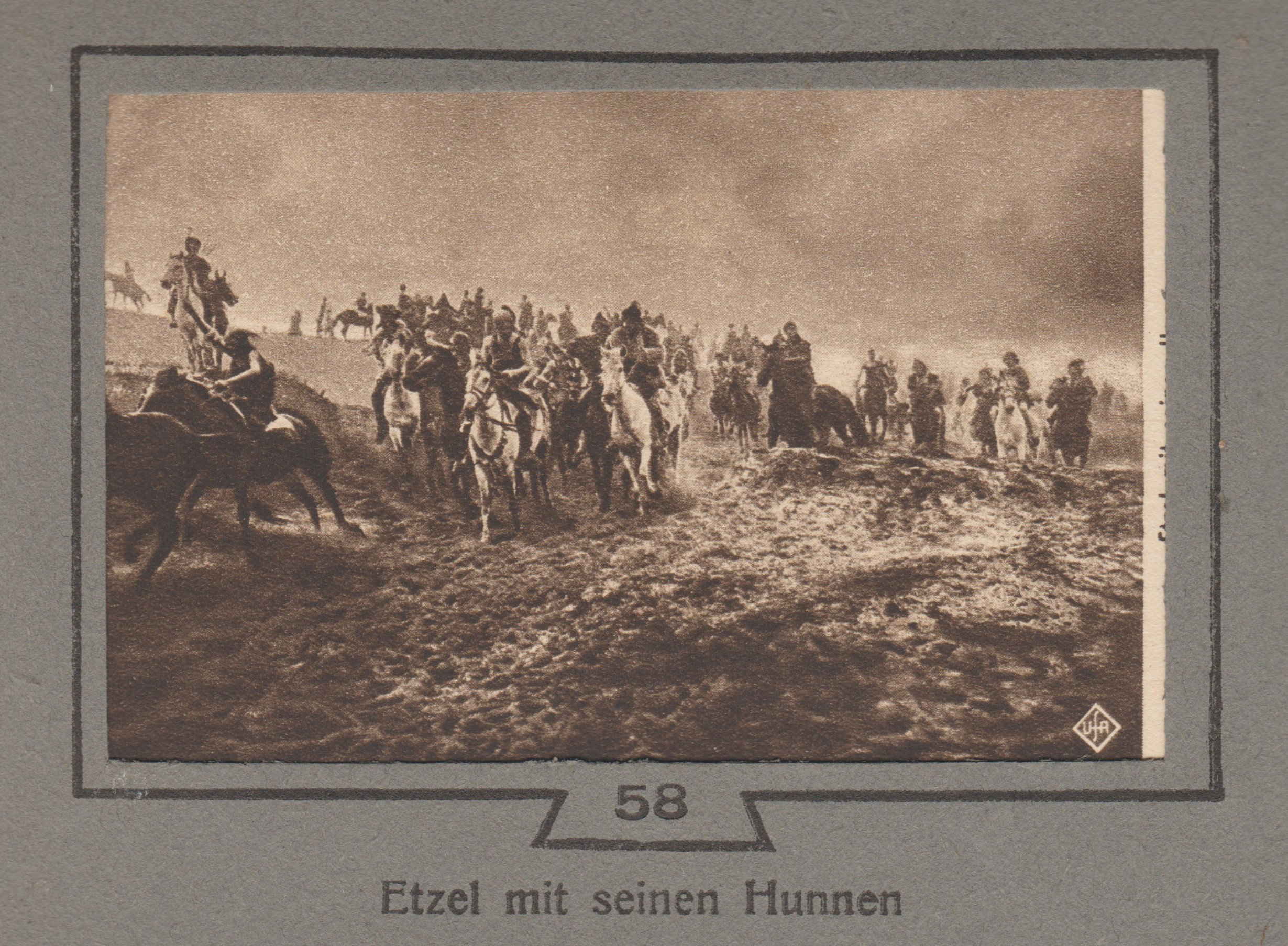
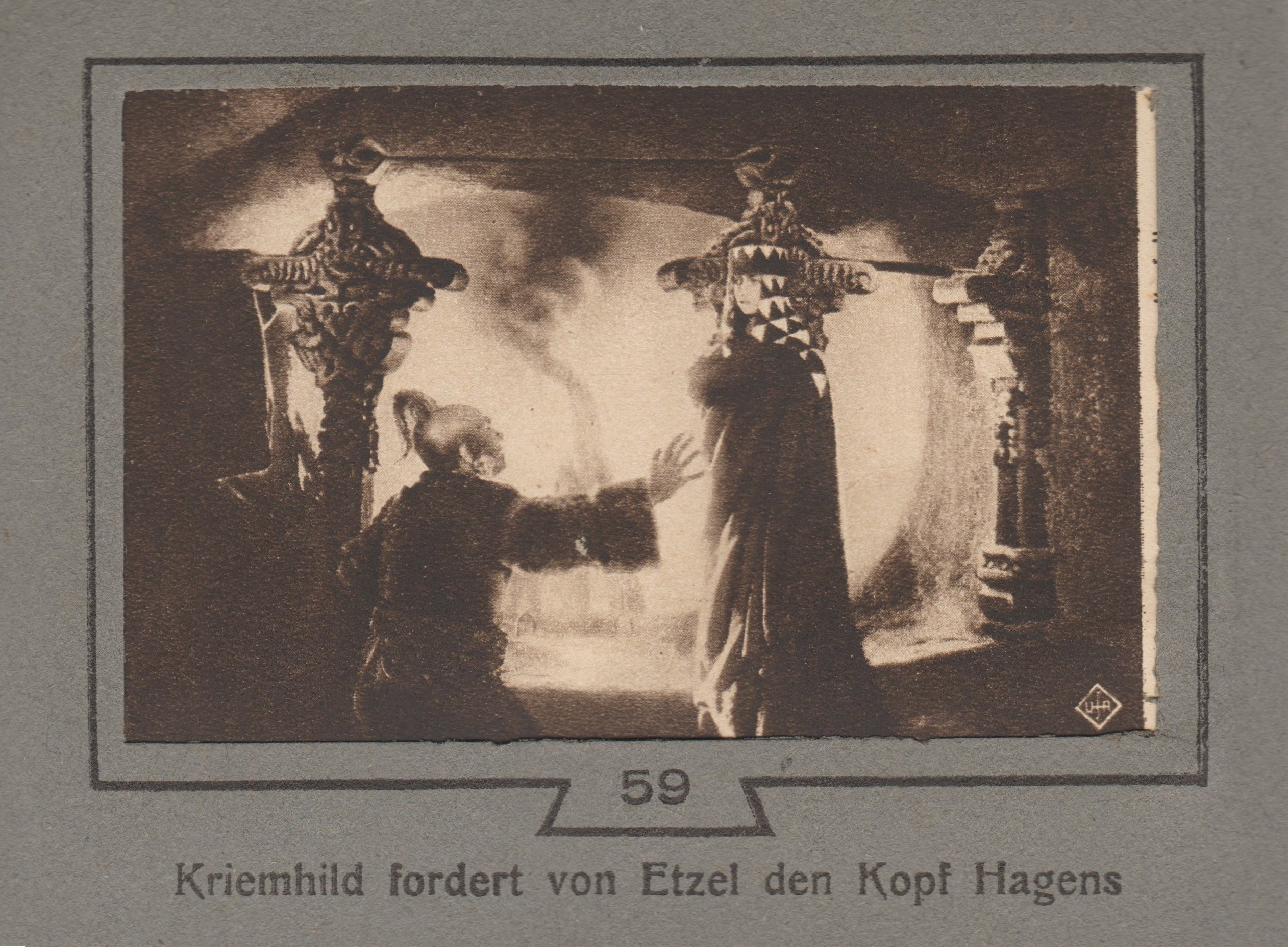
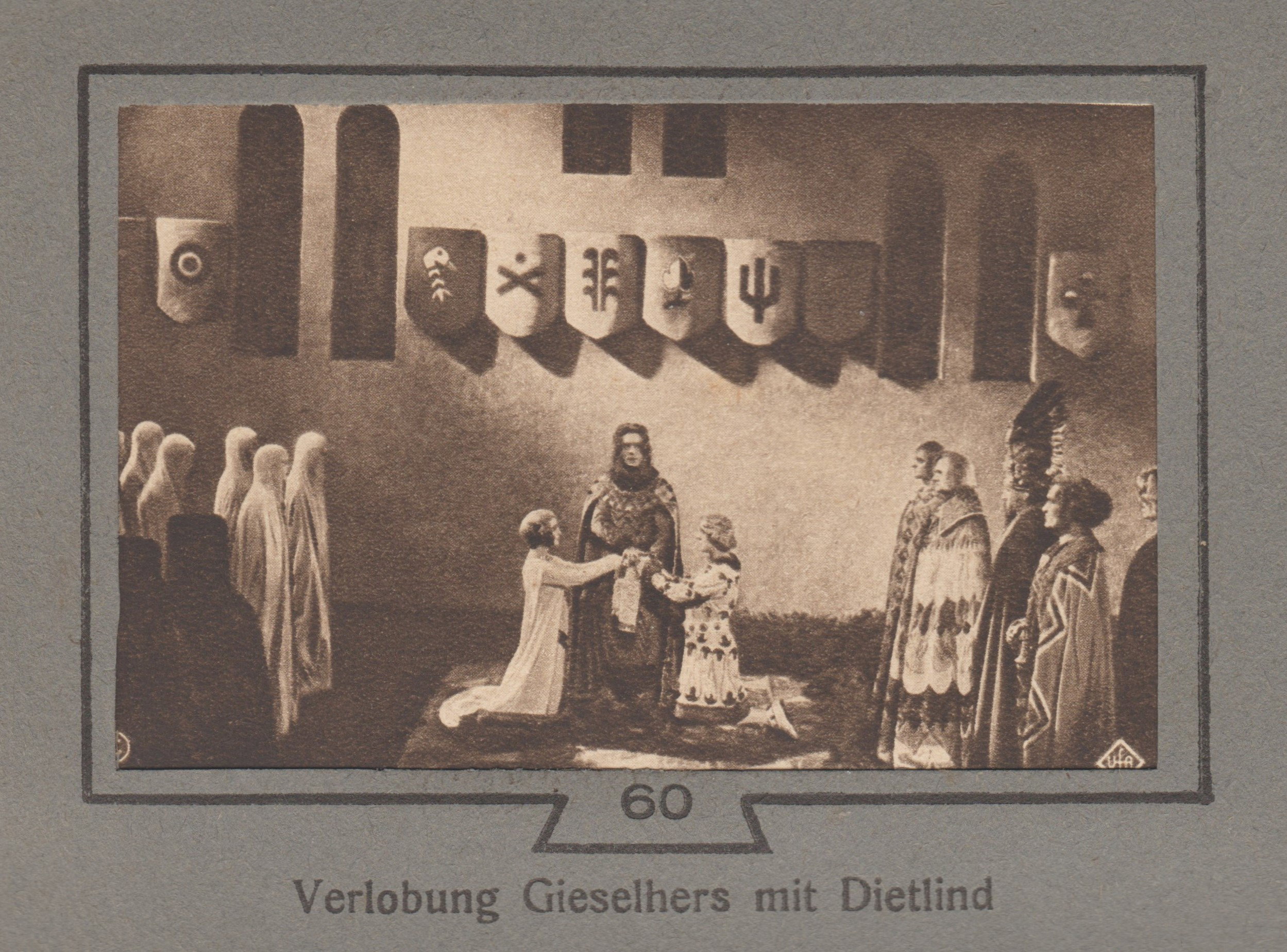
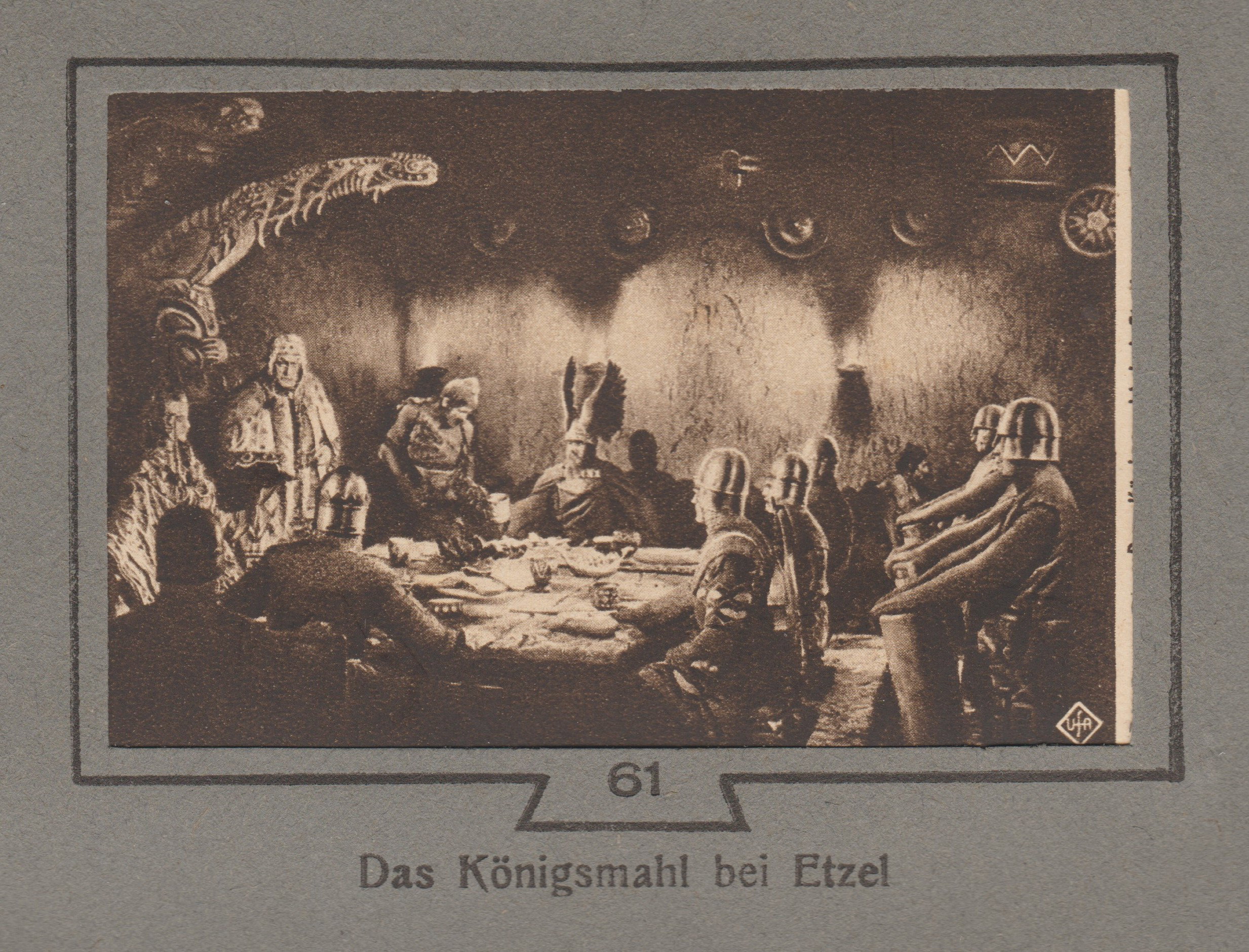
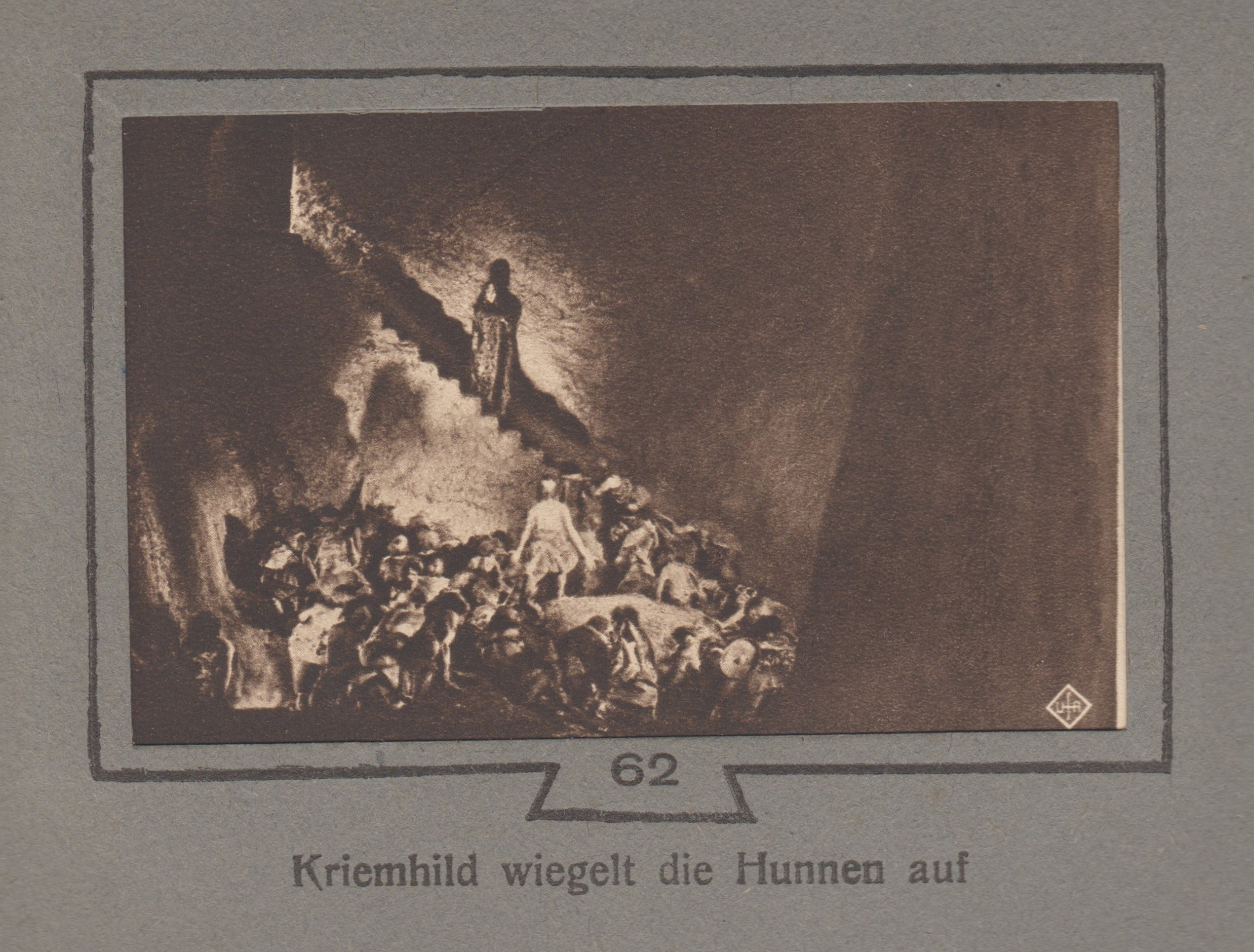
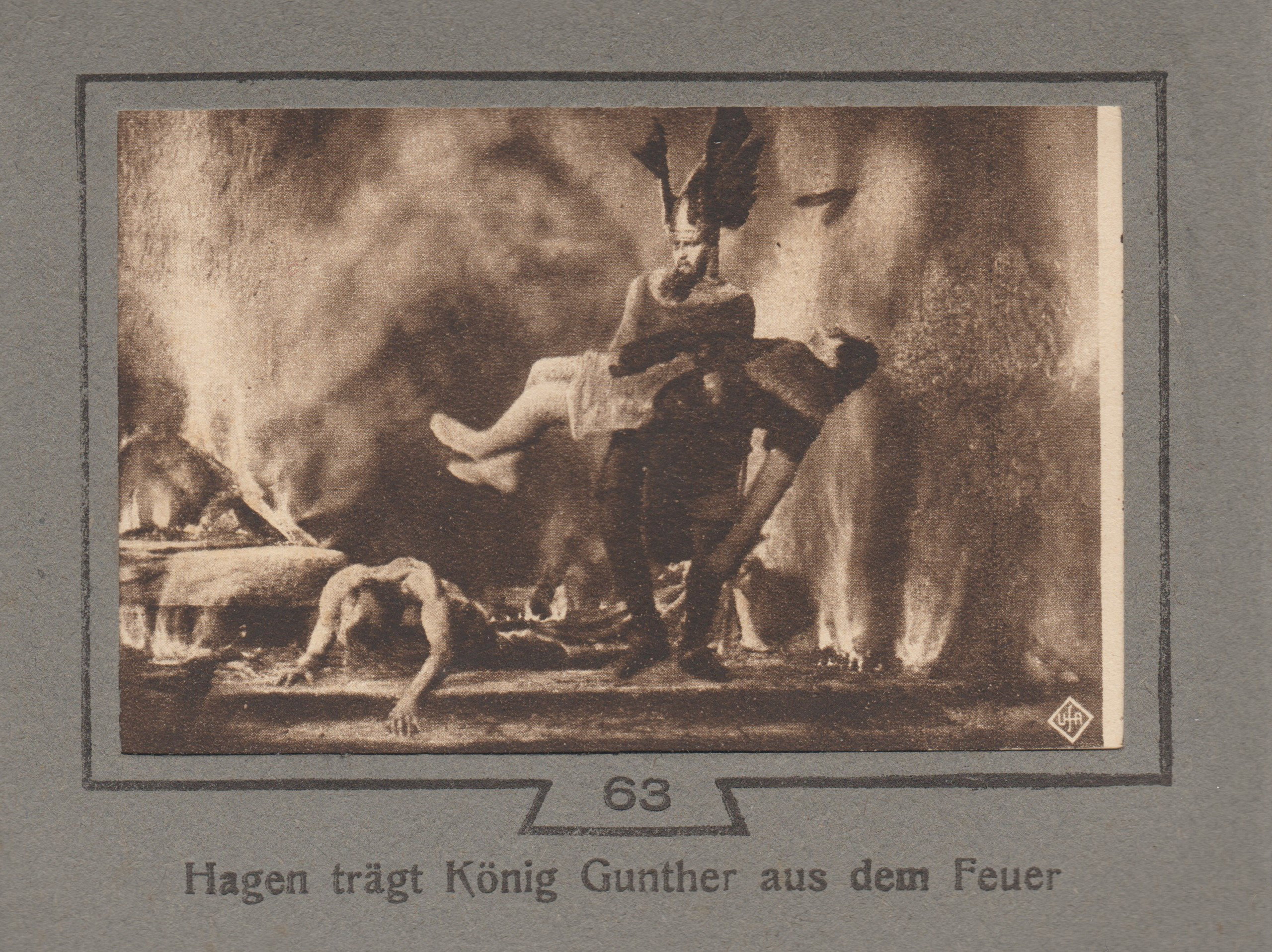
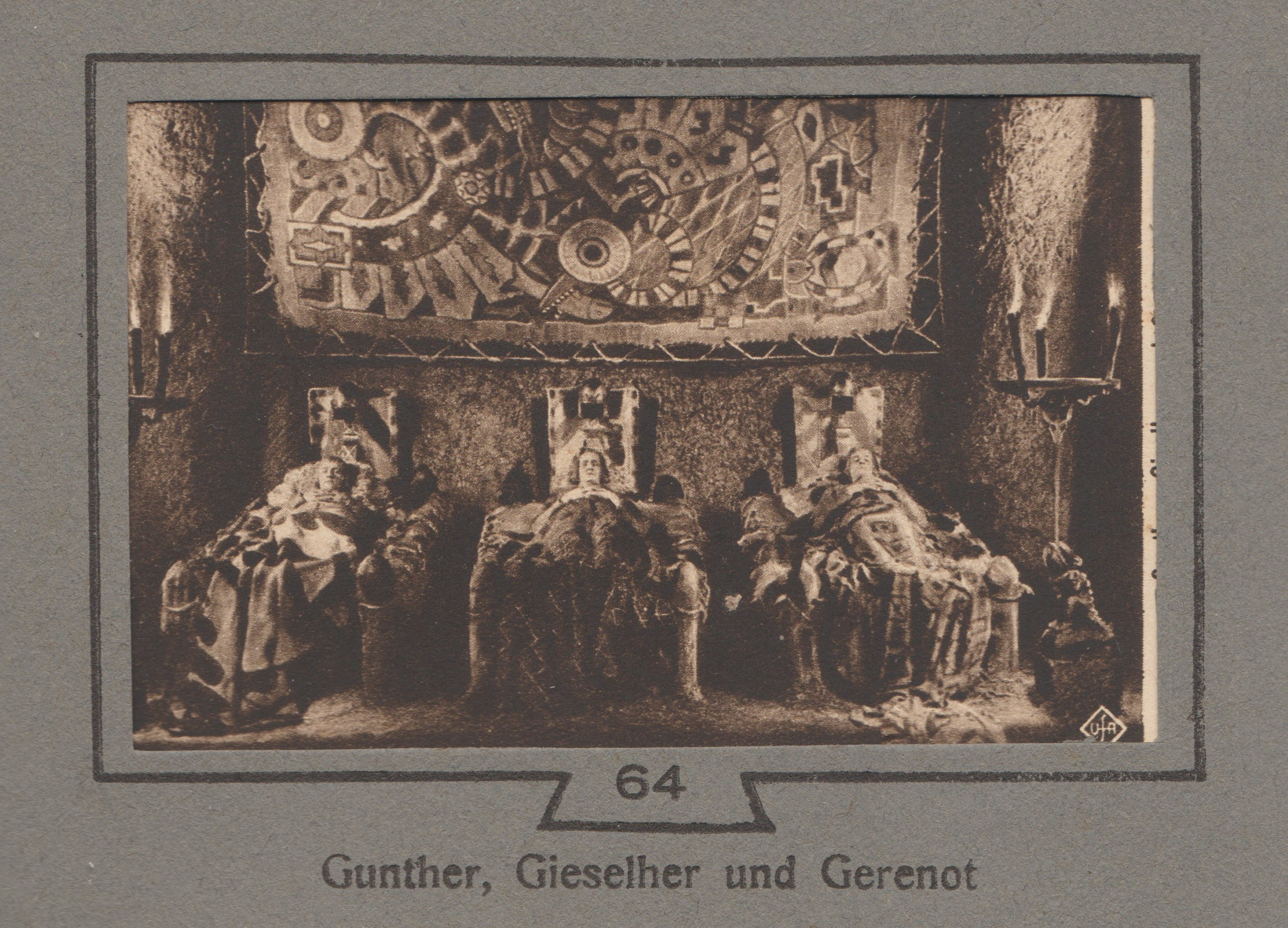
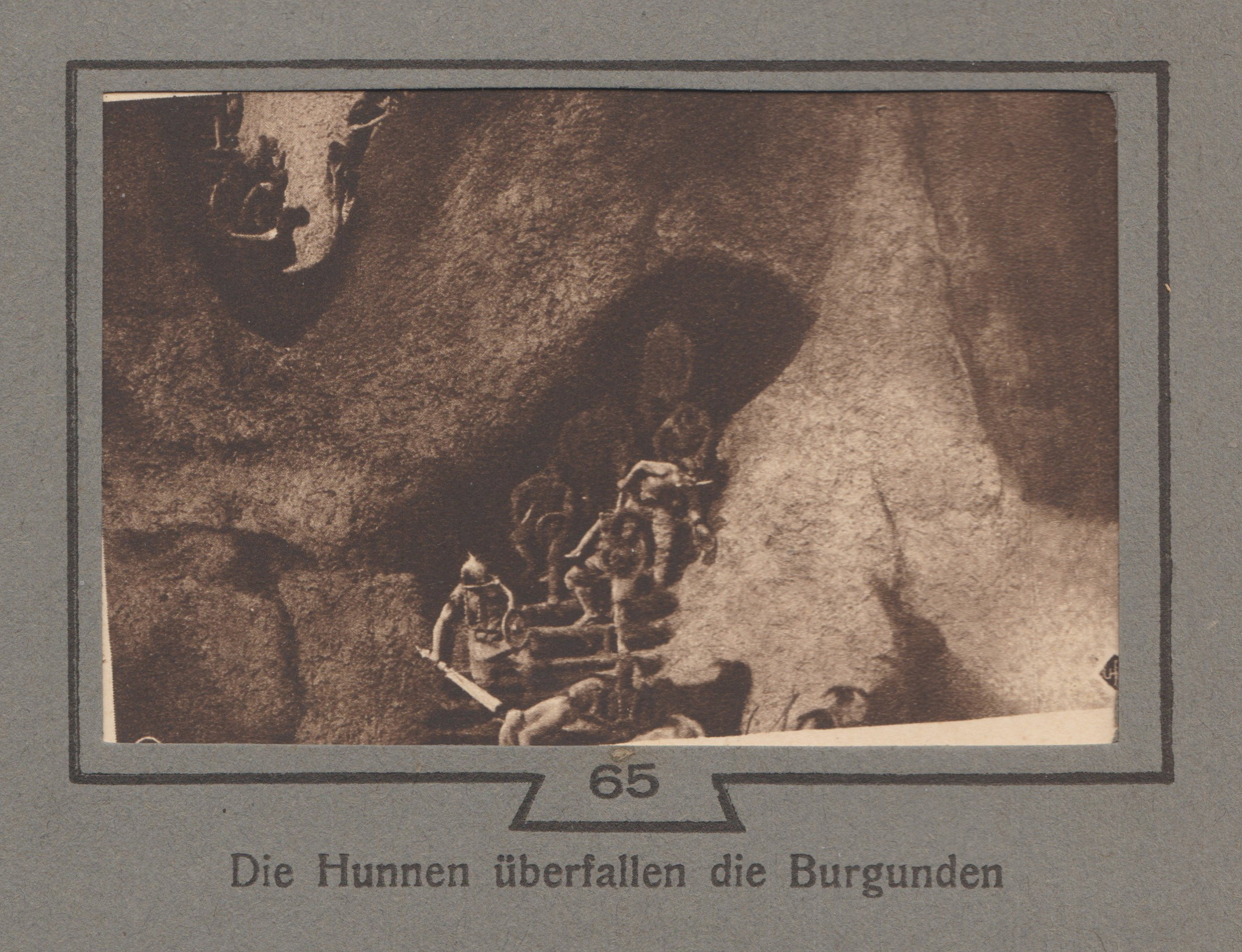
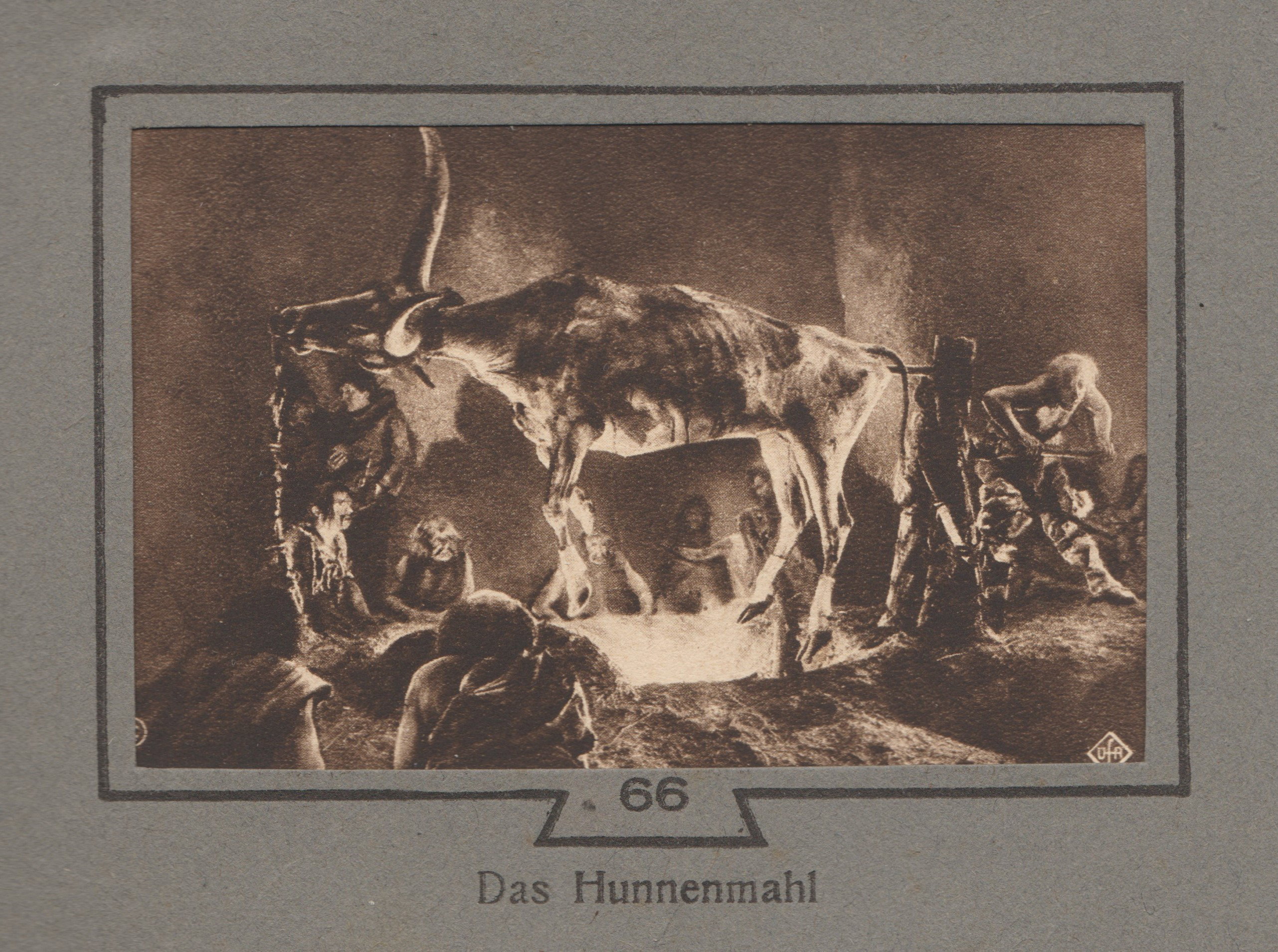
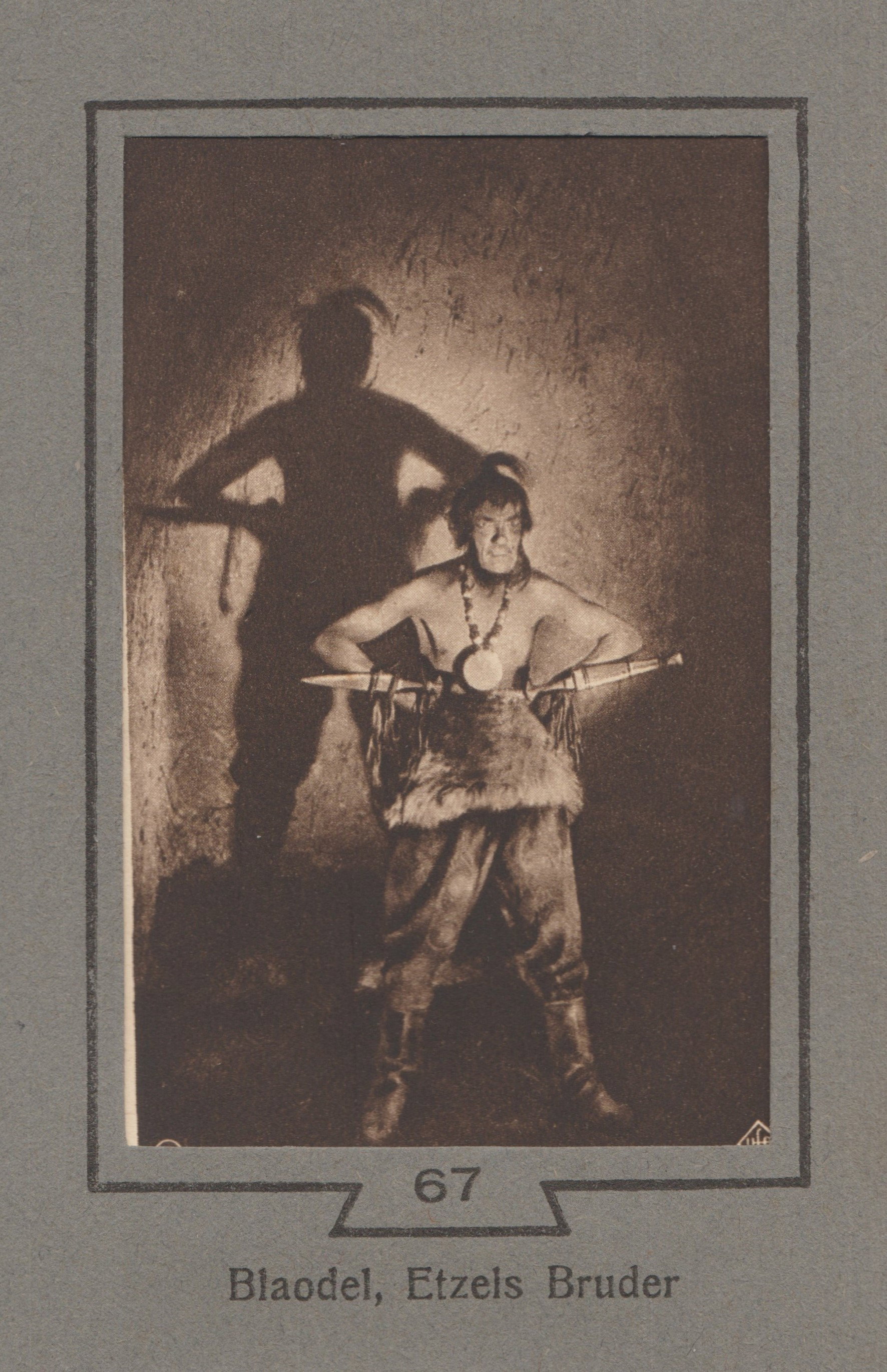
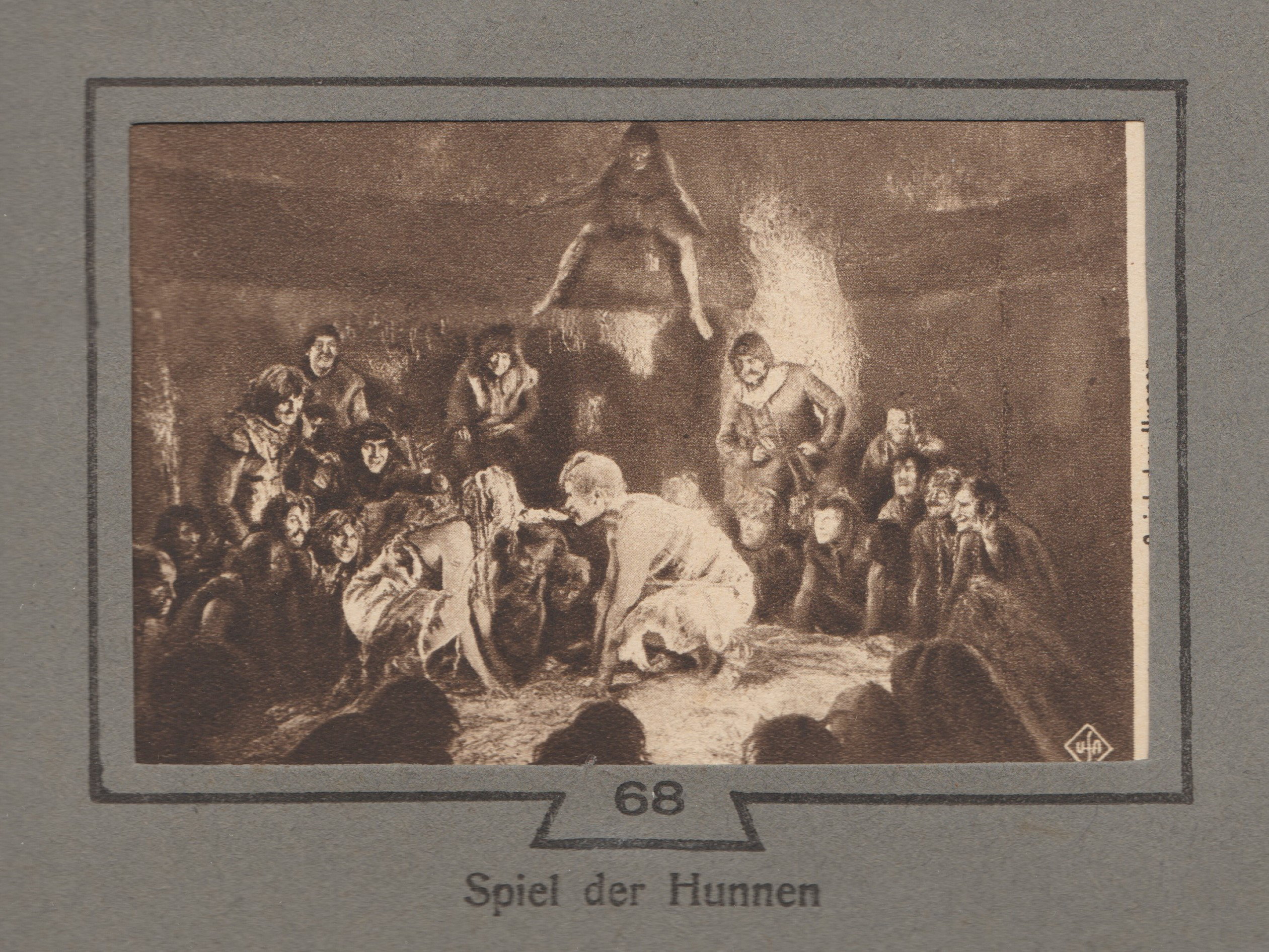
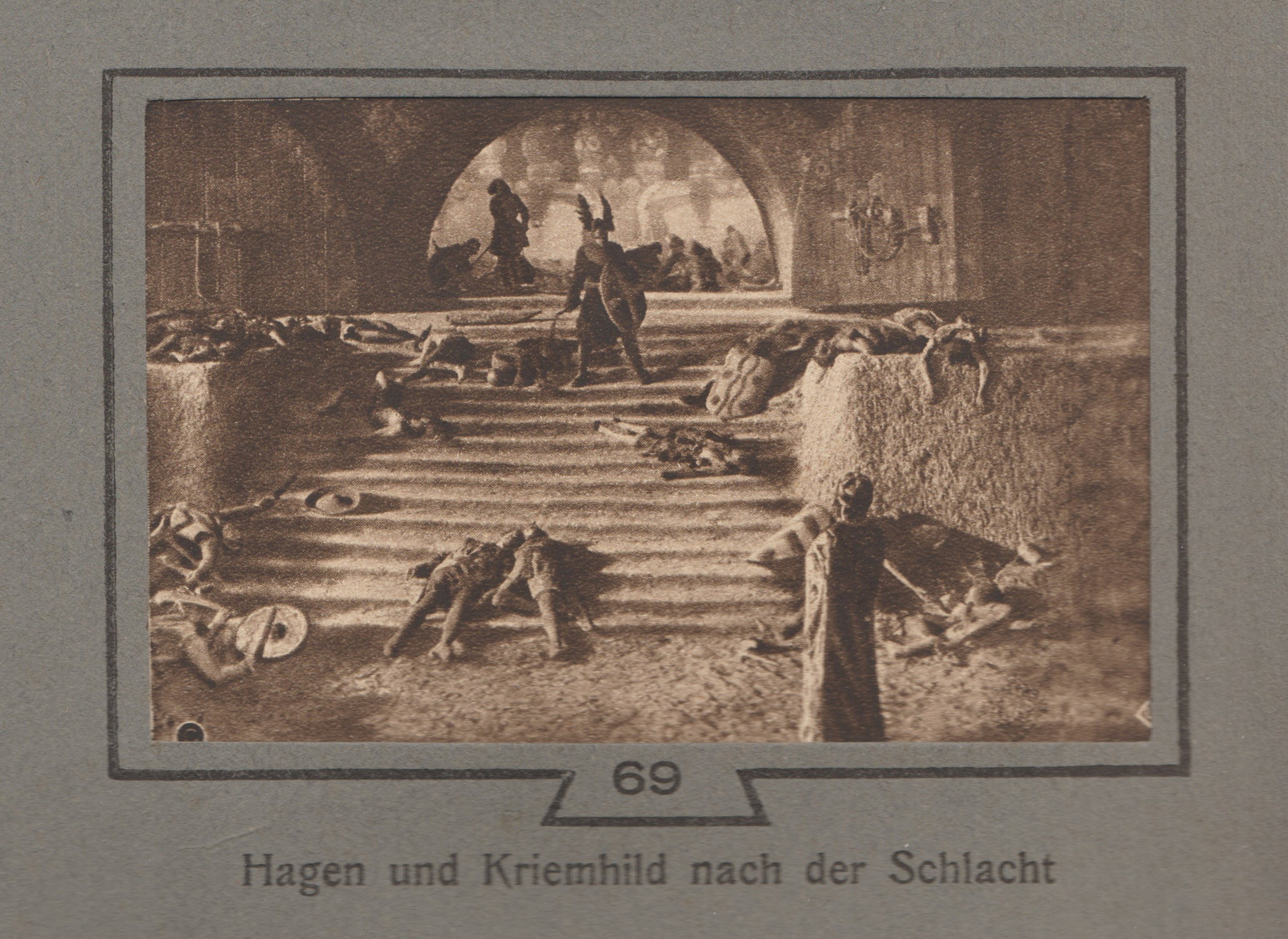
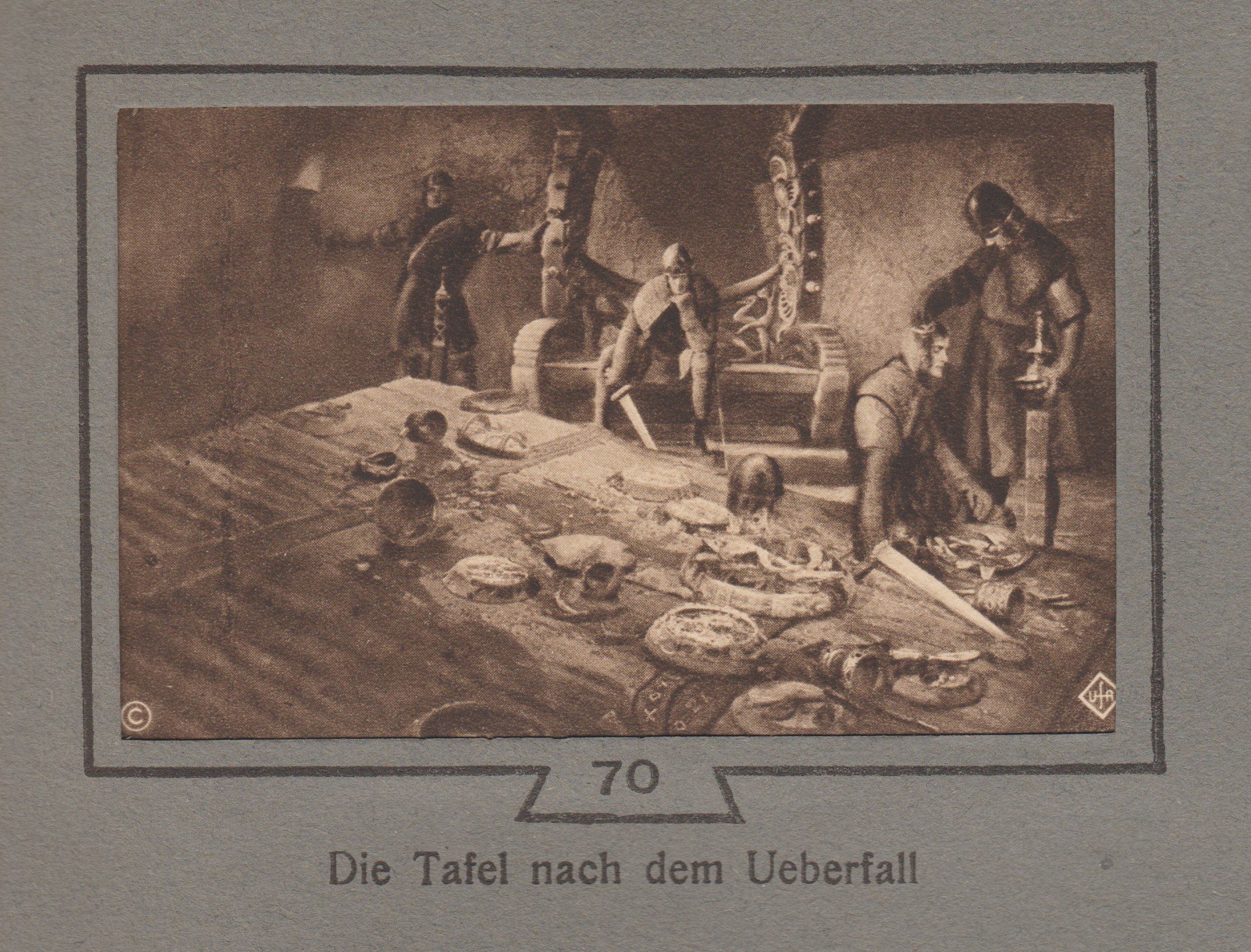
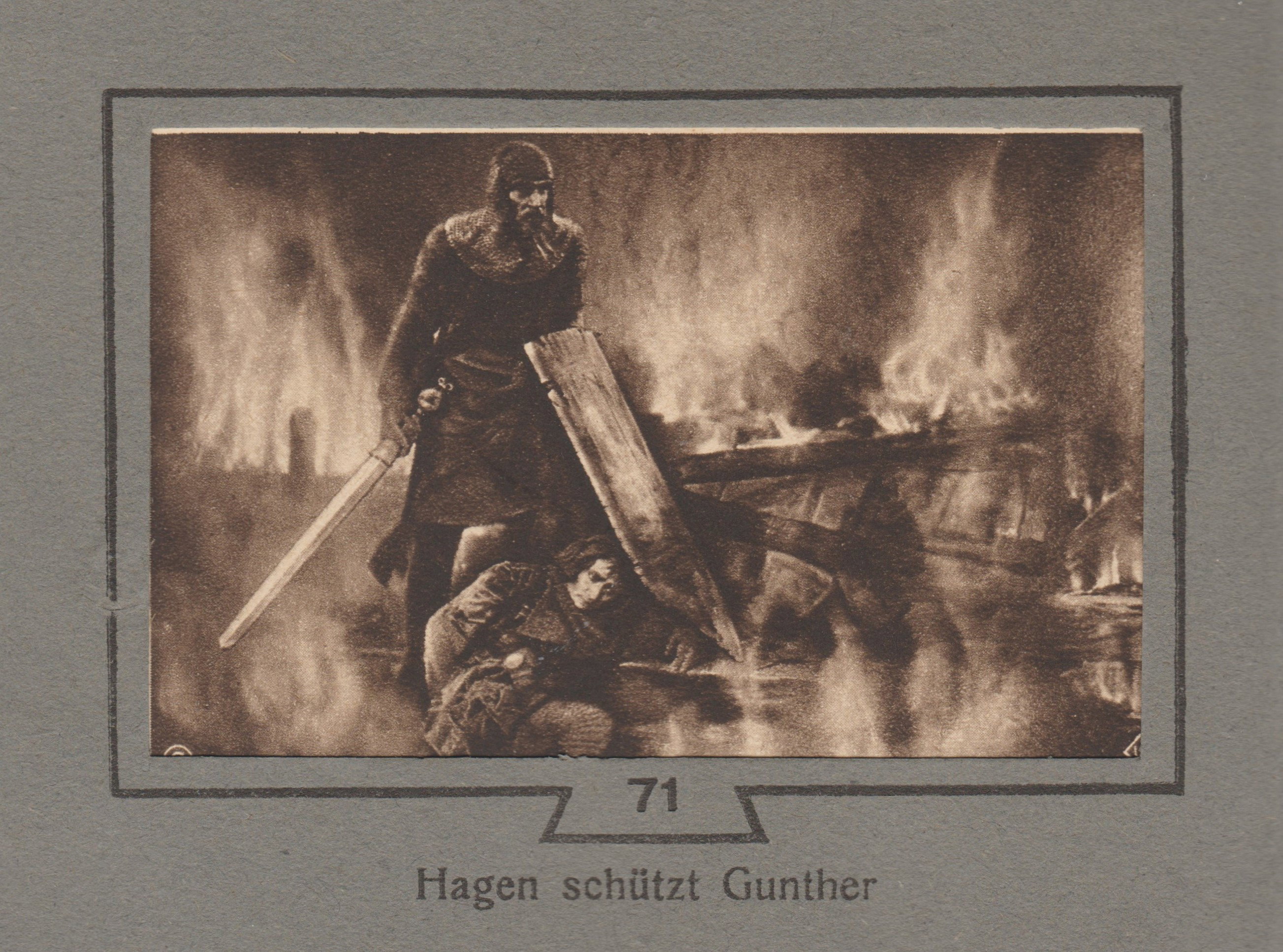
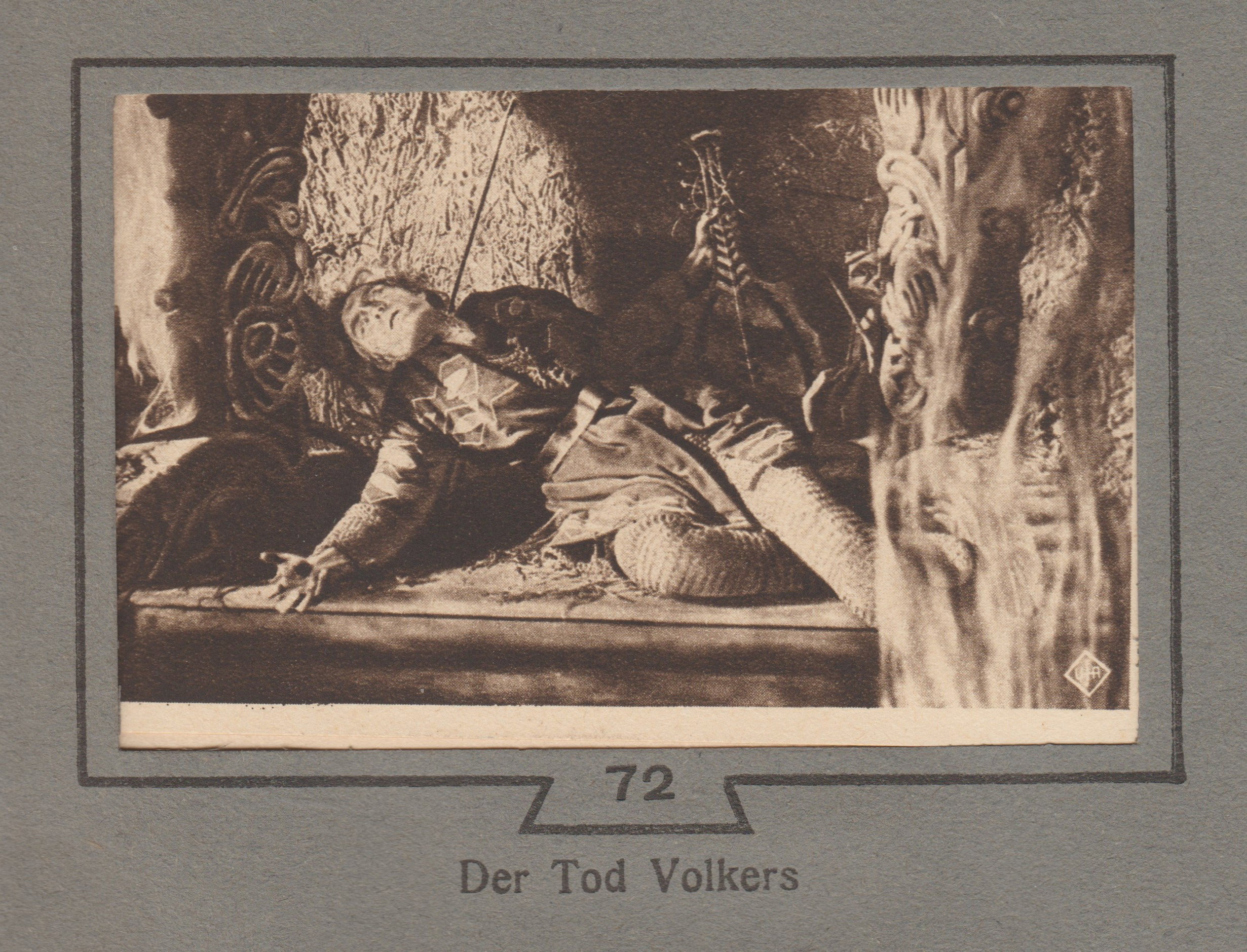
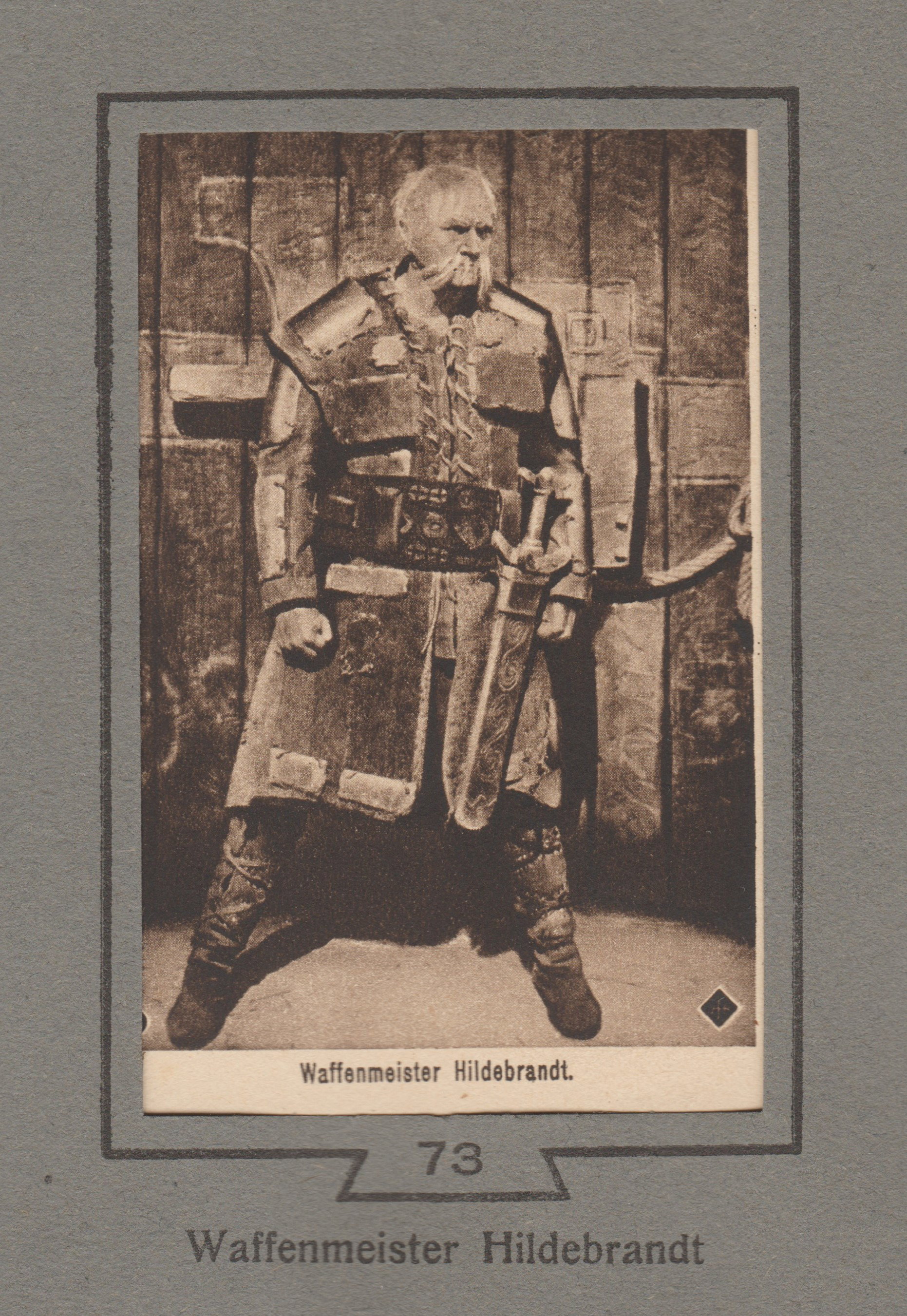
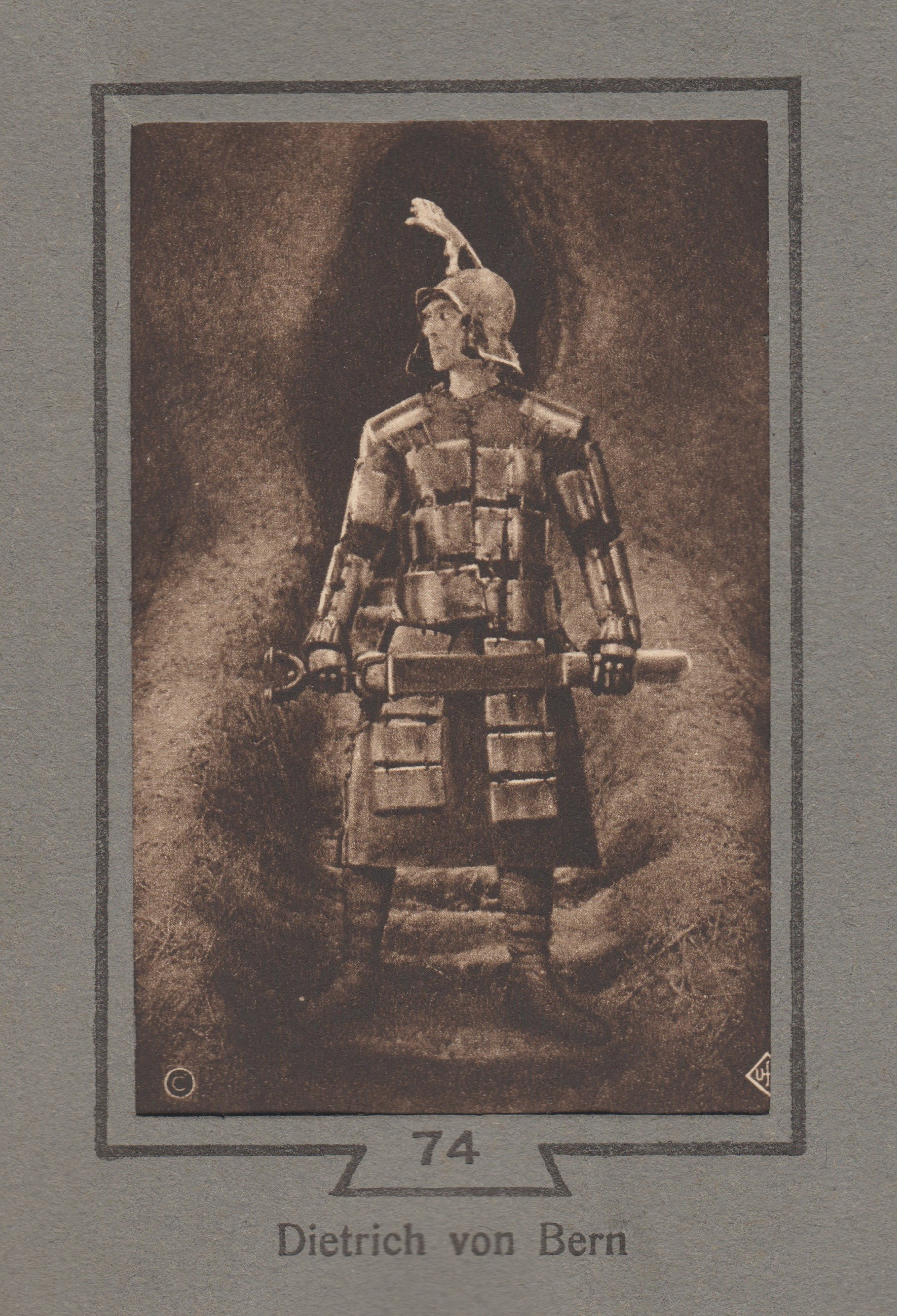
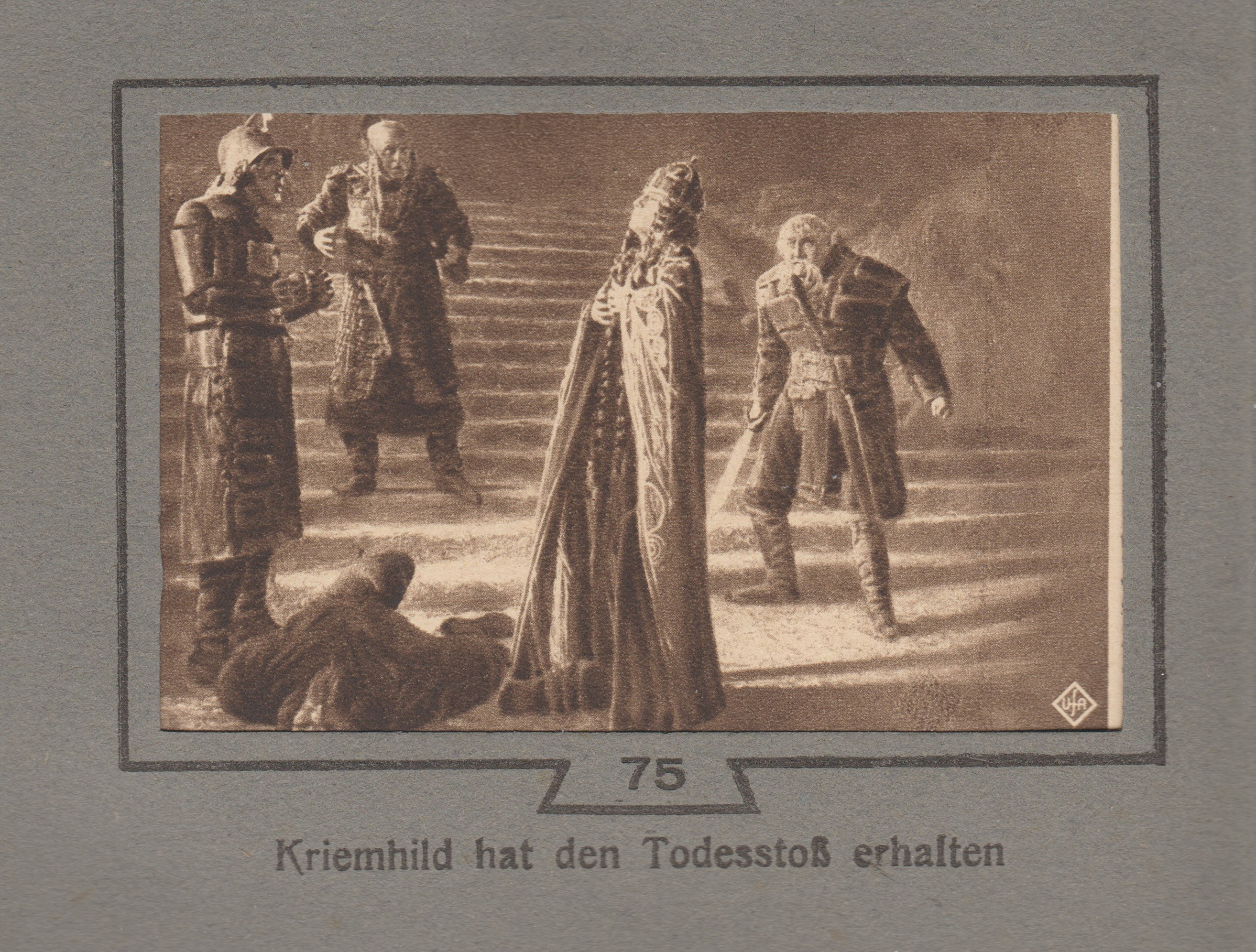
A fascinating journey through 1920s Germany, a complicated and contrasting period. Imagine a people desperately trying to recover after defeat in the Great War and rediscover their pride. In this scenario, cinema becomes much more than mere entertainment: it becomes a mirror of everyone's anguish and hopes. We're all familiar with German Expressionism, with its waking nightmares, monsters, and distorted shadows, as in "The Cabinet of Dr. Caligari." It was the cinema of inner chaos. But at a certain point, the atmosphere changes. Germany seeks stability, order, grandeur. And this is where Fritz Lang, a giant of cinema, enters the scene. With his epic "Die Nibelungen," Lang doesn't simply retell an ancient myth. He carries out a true feat of "cultural engineering." He sets aside the distortions of Expressionism to build a new language: Monumentalism. We move from personal nightmares to cathedrals of light and stone, to a solemn, geometric order that aims to restore a sense of strength and identity to a wounded people. This article will guide you through the discovery of this masterpiece and its time. Together, we will understand how these colossal images became a "gift to the German people" and a powerful symbol of rebirth, but also a mirror of the tensions and dangers that were brewing on the horizon.